


The final price of gasoline paid by drivers at the pump is the result of a complex chain of external factors, which are almost entirely beyond the control of retail establishments. Quando consumers face increases in supply costs, the immediate reaction is usually to question the local gas station. The reality of the energy market, however, shows that resellers mostly act as pass-throughs of structural costs. The formation of the price per liter involves everything from the extraction of the raw material to the incidence of the current tax burden.
Crude oil represents the most significant portion of this cost composition, dictating the rhythm of fluctuations in refineries and distributors. Eventos Geopolitics, exchange rate fluctuations and global demand directly affect the price of a barrel on the international market. Service stations receive the product with all these charges included in the wholesale price charged by the supplying companies. The room for maneuver to hold adjustments is practically nil without compromising the financial health and continuity of the business.
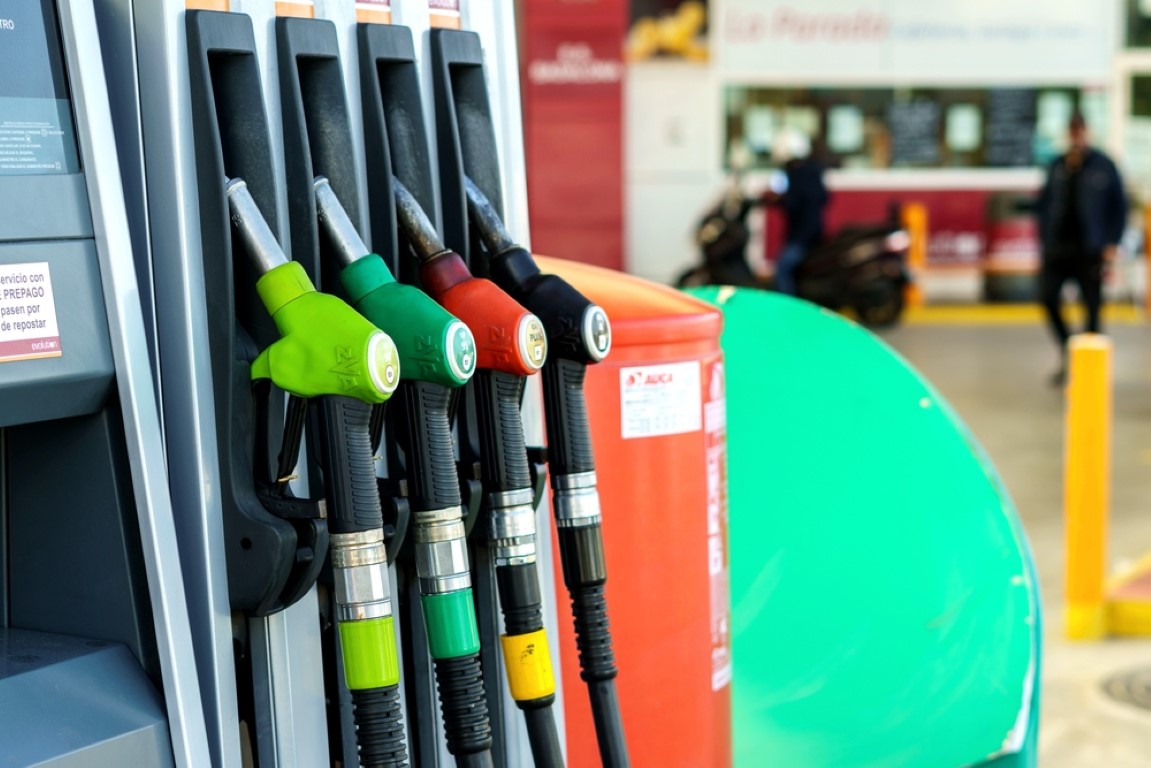
- The raw raw material accounts for approximately half of the total amount charged at the pump.
- The industrial refining process and the addition of biofuels represent around a fifth of the cost.
- The tax burden, encompassing federal and state taxes, consumes another portion close to 20%.
- The distribution and resale gross margin is restricted to 10%, intended to cover all operating expenses.
This financial mechanism explains the speed with which international variations reach the signs of urban and highway stations. The owners of these establishments monitor replacement costs daily to ensure continuous supply to the population. Transparency about the functioning of this production chain helps to clarify the pricing dynamics for the end consumer.
Impact of geopolitical tensions on the energy market
Armed conflicts and diplomatic tensions in oil-producing regions generate immediate instability in global supply routes. The financial market reacts to these uncertainties by increasing risk premiums in energy futures contracts. Essa Speculative and preventive movement increases the cost of purchasing a barrel by refineries around the world. The impact of this chain of events affects fuel retail in a matter of days or weeks.
Refineries, when processing more expensive oil, pass on the additional cost to the distributors responsible for logistics. Estas update the price tables for dealer stations with each new loading order. The local retailer receives the tanker with a higher invoice value than the previous week. Para To maintain the ability to purchase the next batch, the station needs to update the price at the pump immediately.
Logistics and refining add layers of fixed costs
The process of transforming crude oil into salable gasoline requires complex and capital-intensive industrial infrastructure. Refineries carry out fractional distillation and apply chemical treatments to adapt the fuel to the environmental and quality standards required by regulatory bodies. Esse Industrial processing has its own operational costs, including energy, maintenance of heavy equipment and specialized labor. Cada This processing step adds crucial cents to the final value of the liter.
After refining, the fuel enters the logistical distribution phase, which involves transport via pipelines, cabotage ships or tanker truck fleets. The distance between the refinery and the distributor’s base directly affects the cost of freight, creating obvious regional price differences. Regiões More isolated areas or those with poor road infrastructure tend to register higher wholesale values. Esse Logistics cost is fully incorporated into the price passed on to the dealer.
Distributors also play the role of mixing pure gasoline with biofuels required by law, such as anhydrous ethanol. The pricing of these agricultural additives introduces a new variable in price formation, subject to harvests and climatic conditions specific to agribusiness. The gas station purchases this final product already mixed and taxed at source. The complexity of this supply network shields the wholesale value from individual negotiations by retailers.
Tax burden and retail operating expenses
The incidence of taxes represents a rigid and highly significant portion of the composition of fuel prices. Governos apply rates that affect the production, circulation and sale of the product throughout the national territory. Esses taxes are collected throughout the chain, often in advance, through tax substitution regimes. The station only acts as a final collector, passing on the value already included to the consumer.
In addition to the cost of the product and taxes, operating a service station involves a series of constant fixed and variable expenses. The payroll of gas station attendants, managers and administrative employees consumes a large part of the establishment’s gross margin. Custos with electricity for lighting the runway and the uninterrupted operation of the pumps also weigh on the monthly budget. Taxas fees charged by credit card companies further reduce the net profit of the operation.
Preventive and corrective maintenance of storage and supply equipment requires continuous investments to ensure environmental and operational safety. Licenças of operation, fire and civil liability insurance are non-negotiable legal obligations for the regular functioning of the business. The sum of all these operational factors needs to be covered by the small slice of margin that falls to the retailer. In scenarios of a drop in sales volume, the weight of these fixed costs becomes even more evident to the entrepreneur.
The profitability of the fuel retail sector depends fundamentally on inventory turnover, and not on high profit margins per liter sold. Estabelecimentos With a large flow of vehicles, they can dilute their operating costs in a more efficient and sustainable way. Postos Smaller companies or those located in low-traffic areas face greater difficulties in maintaining daily competitiveness. Essa Financial dynamics explains the sector’s inability to absorb significant increases from wholesale.
Local competition and pricing strategies
The variation in prices between stations in the same neighborhood results from specific commercial strategies and the purchasing conditions of each entrepreneur in the sector. Redes Larger or independent white flag stations can negotiate significant volumes with regional distributors, obtaining marginal discounts on the wholesale market. The location of the land, the rental price and the offer of added services, such as convenience stores, oil changes and car washes, directly influence the pricing policy adopted. Alguns Managers choose to reduce fuel margins to attract customers who will consume higher value-added products inside the convenience store. Essa cross-pricing tactic creates small discrepancies in the illuminated signs, but does not change the structural dependence on the replacement cost dictated by the international energy market.
Competitive pressure acts as a natural and relentless regulator of profit margins in the retail of urban and highway fuels. A gas station that tries to apply disproportionate adjustments or maintain prices well above the local average quickly loses sales volume to the closest competition. On the other hand, the practice of artificially low prices compromises the cash flow necessary to purchase the next fuel truck from the distributor. The establishment manager needs to find a daily and precise balance between attracting the consumer and ensuring the long-term financial viability of the operation. Essa Treasury management becomes extremely complex and risky in periods of high volatility in crude oil prices abroad.
Stock replenishment dynamics and financial viability
The cycle of buying and selling fuel at a retail station operates at a fast pace, requiring frequent and voluminous replacements of underground tanks. Diferente from other retail sectors that can store goods for months in warehouses, fuel has a high turnover and requires weekly or even daily purchases, depending on the size and location of the operation. Quando the distributor announces an increase in the wholesale price, the station needs to readjust the value at the pump immediately, even if there is still product purchased at the old price stored in the tank. Essa Commercial practice, often questioned by consumers, is a strict mathematical necessity to guarantee stock replenishment without generating a deficit. If the retailer sells the current fuel at the old price, the capital raised at the end of the day will be insufficient to pay for the new shipment, which will arrive at the adjusted value. Rapid decapitalization is one of the biggest risks to the survival of independent stations in times of continuous oil growth. The working capital needed to keep tanks full increases proportionally to the price of a barrel, forcing many businesspeople to resort to high-interest bank credit lines. Strict cash flow management and the immediate transfer of acquisition costs are the only tools available to avoid the technical bankruptcy of the establishment. Portanto, the agility in updating the signs reflects the urgency of maintaining purchasing capacity with distributors and guaranteeing supply to the region.
Transparency in the supply chain
A detailed understanding of the formation of gasoline prices demystifies the common perception that gas stations arbitrarily control the amounts charged at the pumps. Fatores Global macroeconomic factors, government fiscal policies and logistics costs form an insurmountable barrier to the retailer’s isolated performance in the market. Acompanhar International barrel prices and the tax structure provide a clearer overview of the daily fluctuations faced by drivers. The fuel market operates under a strictly globalized logic, where the neighborhood gas station acts only as the last and most visible link in an extensive and costly production chain.



