
Microsoft cuts Xbox Series X price by up to 50% for customers with active store history
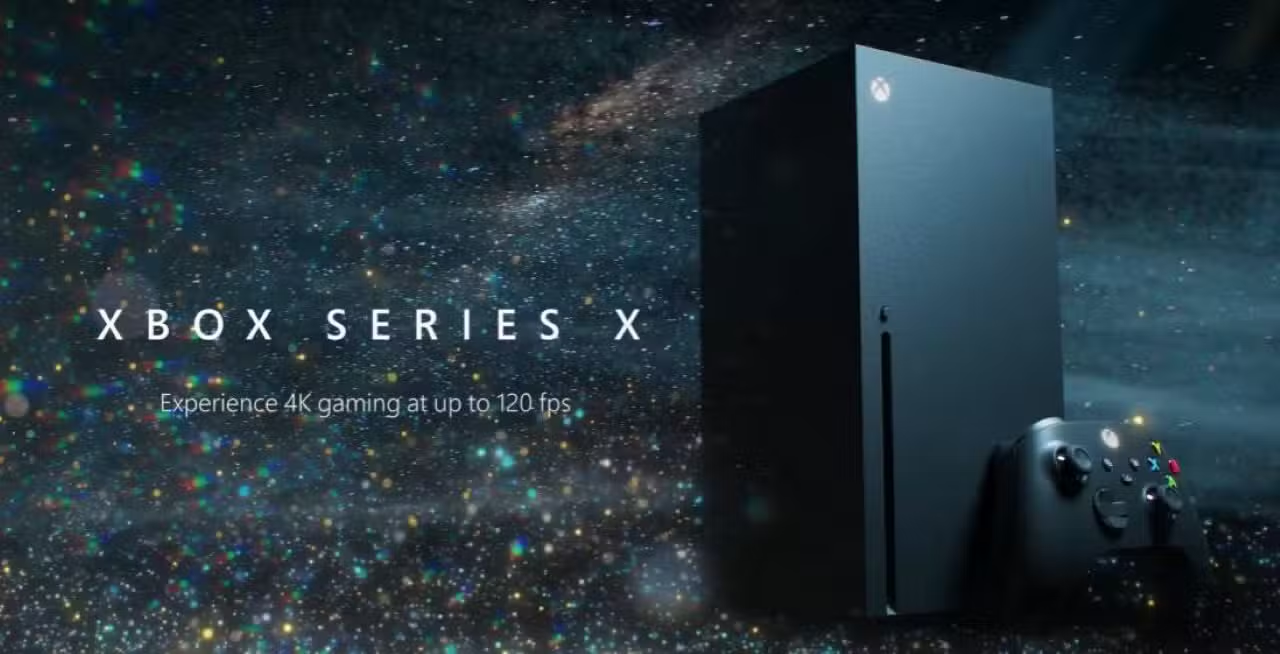
The technology manufacturer responsible for the Xbox ecosystem has begun a new phase of commercialization of its cutting-edge hardware. The company has implemented a direct discount system that can reduce the price of Xbox SeriesX by up to fifty percent for a specific group of consumers. The measure removes dependence on traditional retail chains and focuses on the installed base of users who already interact with the brand’s digital services.
The algorithm developed by the company analyzes the history of each account to determine eligibility and the percentage of reduction in the value of the equipment. Fatores how the subscription time for ongoing services and the volume of purchases in the online store are processed to generate personalized offers. Notification about the availability of the device at a reduced price occurs directly in the operating system interface of previous generation consoles.
The initiative aims to accelerate players’ transition to the latest hardware available in the company’s portfolio. The commercial strategy seeks to empty physical stocks of the main model while rewarding consumer loyalty. The purchase process takes place in a closed environment, requiring the user to access the official platform to complete the transaction.
Direct sales strategy and profile analysis
The transition to a direct sales model represents a substantial change in the way high-cost electronic equipment is distributed to the end public. The company’s data analysis system evaluates each individual’s digital consumption behavior in a continuous and automated way. Essa algorithmic verification cross-checks information on login frequency, the number of titles purchased digitally and the maintenance of active subscriptions over the months. Based on this data, the platform categorizes users into different levels of engagement to gradually release offers. The elimination of physical intermediaries allows the profit margin that would be passed on to retailers to be converted into a real discount for the buyer. The acquisition process takes place entirely within the brand’s ecosystem, ensuring that the amount transacted remains in the manufacturer’s own cash registers. Especialistas in the technology market point out that this tactic strengthens customer retention in a highly competitive environment. Customizing pricing creates a direct financial incentive for users to avoid migrating to competing platforms. The exclusive offer mechanism turns the old console itself into a sales showcase for new generation hardware. Running this type of internal e-commerce requires a robust server infrastructure to process transactions without security breaches.
Criteria for releasing exclusive offers
Qualifying to receive the maximum discount requires meeting specific metrics within the manufacturer’s service network. The system does not carry out draws, but rather an objective reading of the financial and interaction history of the user’s account. The release of subsidized purchases depends on a calculation that takes into account the investment already made by the consumer in the virtual environment.
The parameters established for granting price reductions involve different fronts of interaction with the platform. The algorithm evaluation structure considers the following points:
– Frequência access to online network servers during the week.
– Volume finance spent on the acquisition of digital media and expansions.
– Tempo uninterrupted maintenance of game subscription service.
– Nível engagement with the brand’s overall app ecosystem.
Selected consumers receive a visual warning on the main screen of their current devices. The message directs the user to an encrypted checkout page, where the adjusted value already appears applied to the product. The offer has a programmed expiration time, requiring a purchase decision within a period defined by the system.
Movement in the technology and retail sector
The decision to market flagship hardware with drastic price reductions directly in the user interface generates immediate reactions in traditional distribution chains. Lojas Physical stores and large e-commerce chains lose their exclusivity in selling the equipment, facing internal competition from the manufacturer itself. The measure forces retailers to rethink their strategies for attracting customers to the electronics sector, since official promotions exceed the stores’ negotiation margins. The movement indicates a corporate preference for consolidating the digital ecosystem to the detriment of physical presence on shelves. The direct sale of high-performance consoles sets a precedent for how large corporations can manage their inventories without relying on external trading partners.
Inventory management gains efficiency by applying predictive algorithms that identify exactly which users are most likely to make a purchase. The manufacturer is able to predict demand with greater accuracy, adjusting production and delivery logistics according to the acceptance of personalized offers. Integration between the console’s navigation software and the hardware store creates a seamless, frictionless sales funnel. The dynamic pricing tactic based on loyalty reflects practices already common in sectors such as aviation and hospitality, now applied to the digital entertainment market. The consolidation of this model may dictate the marketing rules for the next launches of electronic equipment.
Alternatives with refurbished devices
In addition to newly manufactured units, the company included batches of refurbished consoles in the targeted offers program. Esses devices returned to the factories after presenting initial failures, underwent component replacement and were subjected to rigorous quality tests. The reinsertion of this equipment into the market helps the company to mitigate financial losses from returns.



The sale of officially certified refurbished products offers an even more economical access route for selected consumers. The devices come with the same legal guarantees of operation applied to new items, ensuring the reliability of the hardware. The availability of these units is limited and varies depending on the geographic region of the user logged into the system.
Access to high-performance hardware
The acquisition of cutting-edge technology equipment often faces significant financial barriers for most consumers. The cost of manufacturing advanced processors and ultra-fast storage units increases the final price of devices on the shelves. The direct subsidy strategy acts as a facilitating mechanism for the adoption of new technology.
The economic scenario requires rigorous planning on the part of families when investing in electronic entertainment. Considerando that the current minimum wage is R$1,621, purchasing a latest generation console for the full price compromises a significant portion of the household budget. The reduction of up to fifty percent in the cost of the device changes the dynamics of the viability of the purchase.
The adjusted pricing policy allows a broader layer of the user base to upgrade their systems without resorting to lengthy financing. The manufacturer absorbs part of the hardware cost with the expectation of recovering the investment through continuous software sales. The increase in the installed base of modern consoles guarantees an active consumer market for upcoming digital media releases.
The technical performance of the equipment, capable of processing graphics at very high resolution and high frame rates, becomes accessible to an audience that was previously restricted to the previous generation. The standardization of hardware in consumers’ homes makes the work of software developers easier. Technological uniformity drives the creation of more complex and demanding applications.
Changes in the distribution of physical products
The technology industry is going through an accelerated process of dematerialization of its commercial products. The aggressive offering of the main console is tied to the intention to completely digitize users’ application libraries. The manufacturer encourages the transition to a model where physical possession of discs becomes obsolete.
The company’s server infrastructure receives constant investments to support the increase in data traffic generated by new hardware acquisitions. Content delivery occurs exclusively via high-speed networks, eliminating the logistical costs of transporting and storing boxes in warehouses. The efficiency of this digital distribution network is fundamental to sustaining the subscription-based business model.
Expanding the subscription ecosystem
Linking hardware sales to the user’s history reinforces the importance of recurring billing services for the corporation’s financial health. The delivery of equipment with a reduced or zero profit margin is compensated by the guarantee that the consumer will continue to pay monthly fees to access the virtual catalogs. The tactic transforms the physical device into a mere access terminal for a highly profitable and long-term ecosystem of services.
Veja Tambem em News (EN)

Research reveals that parents are unaware of how their children use artificial intelligence

Samsung releases new system update with new features for Galaxy Watch 4 users

Digital retail reduces the value of the Galaxy S25 5G smartphone with bank bonuses and device exchange

Amazon’s wireless CarPlay adapter has a 50% discount and high approval ratings from drivers

Zach Cregger’s new Resident Evil ignores games and focuses on an unprecedented story with new characters

Rumor suggests that Nintendo is preparing a special edition of the Switch 2 with a remake of Ocarina of Time

Apple accelerates production of the iPhone 17e and develops new Air model with dual camera system

Epic Games platform releases twelve high-budget games at no permanent cost for PC users

PlayStation 5 Pro price drop accelerates digital retail sales and eliminates global stocks

New Galaxy Watch 9 firmware appears on server and confirms progress in software development

Apple’s commemorative project tests cell phone with 1.1 millimeter edge and curved screen for 2027
