
NASA’s Artemis Program accumulates costs of US$ 100 billion in the race to the Moon


Programa Artemis of Nasa reached an accumulated cost of close to US$100 billion, equivalent to around R$530 billion, to resume manned missions to Lua. The American space agency launched mission Artemis II on April 1, 2026, with the aim of testing the rocket Space Launch System and capsule Orion on a journey of around ten days around the natural satellite. Esse effort is part of a larger strategy to establish a sustainable presence in Lua and prepare future explorations towards Marte.
Experts point out that the amount already invested by 2025 exceeds US$93 billion, including the development of technologies and infrastructure. Casa Branca allocated US$8.3 billion in the 2026 budget for initiatives related to Lua and Marte. The program seeks to ensure Estados Unidos’s leadership in space exploration in the face of advances by other nations.
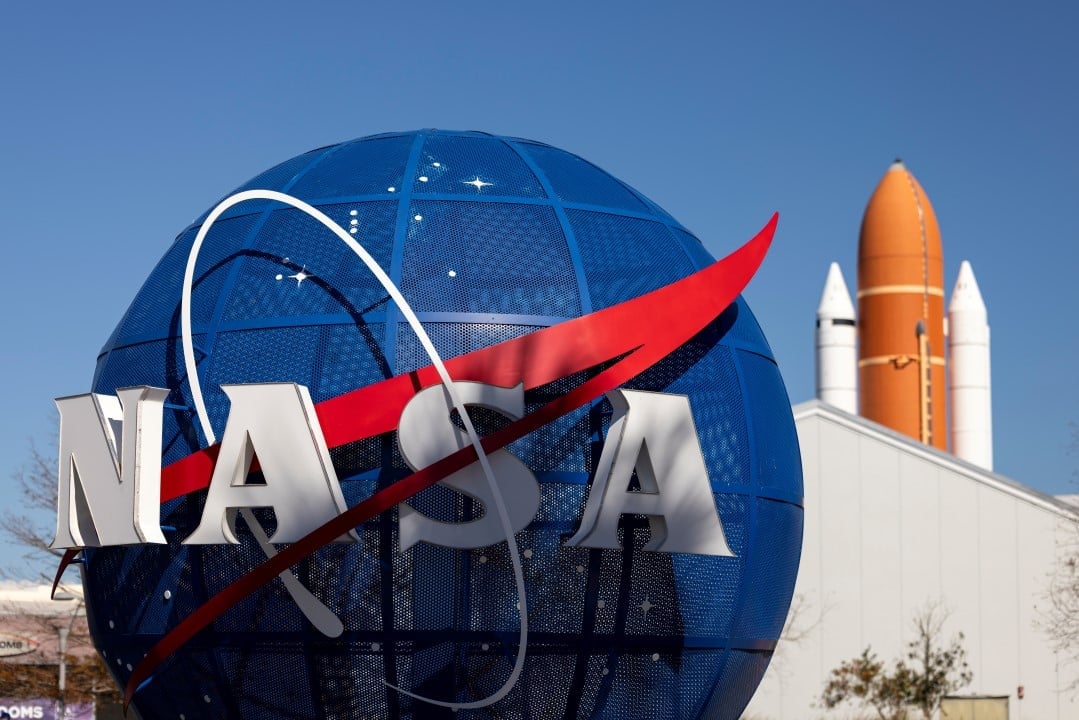
Accumulated investments exceed initial project estimates
Programa Artemis has already consumed significant resources since its inception. Relatórios indicate that US$40 billion was spent by 2020, with additional forecasts of US$53 billion for the following period. Mesmo With schedule adjustments, the costs per launch of the SLS/Orion system reach approximately US$4.1 billion each.
These values include contracts with private companies for the development of lunar landing modules. The initiative represents a change in the operational model of Nasa, which now acts more as a contractor for solutions developed by the private sector.
Comparison with program Apollo reveals difference in scale
Programa Apollo, carried out between 1969 and 1972, took 12 astronauts to the lunar surface with total expenses of around US$20 billion at the time. Ajustado According to inflation, this amount would today be equivalent to something between US$ 150 billion and US$ 170 billion.
Mission Artemis II serves as a rehearsal for Artemis III, planned to return humans to lunar soil around 2027 or 2028. Diferentemente of Apollo current focus includes building infrastructure for longer stays and resource exploration.
Private companies take central role in the lunar landing
Billion-dollar contracts were signed with companies like SpaceX and Blue Origin for the development of Human Landing System. SpaceX received around US$2.9 billion for the lunar lander based on Starship, while Blue Origin received US$3.4 billion for its contribution.
This partnership allows Nasa to focus efforts on launch and capsule systems, transferring part of the technological innovation to the private sector. The model seeks to reduce costs over time through vehicle reuse.
Geopolitical context drives investments in space
The current space race involves competition with China, which plans to take taikonauts to Lua around 2030 to explore minerals such as helium-3. Os Estados Unidos seek to maintain technological and scientific superiority through Artemis.
Annual budgets continue to allocate billions to the program, even with revisions that have reduced some spending in recent years. The focus remains on preparing a lunar base that serves as a stage for interplanetary missions.
Operational details of mission Artemis II
The ten-day trip around Lua tests critical systems without landing on the surface. Capsule Orion performs autonomous maneuvers and collects data on the performance of the SLS rocket in real lunar flight conditions.
Teams on the ground monitor all parameters during the mission. The results will inform necessary adjustments for the next stages of the program.
Costs per mission highlight challenges of lunar exploration
Each SLS/Orion launch involves high expenses due to the complexity of the systems. Estimativas indicate that individual values far exceed the historical costs of previous programs, even considering technological advances.
Nasa continually evaluates ways to optimize expenses without compromising the safety of future crews. The involvement of multiple partners helps distribute technology development.
Prospects for lunar space tourism still distant
While government missions advance, civil access to lunar orbit remains restricted to very high amounts in private projects. Iniciativas past reports, such as proposed circumlunar flights, indicated costs in the hundreds of millions of dollars per seat.
The gradual reduction in prices for suborbital flights and for Estação Espacial Internacional suggests a possible path forward, but the distance and energy required for lunar travel keep prices high for now.
Technological advances aim to enable a sustainable presence at Lua
Development of spacesuits, life support systems and housing modules is part of the scope of Artemis. Essas technologies will be fundamental for extended stays on the satellite.
International and private partnerships accelerate progress in areas such as propulsion and communications. The Artemis program represents the largest lunar exploration effort since the Apollo era.



