
Pope Leo XIV leads Via Crucis in the Colosseum and condemns leaders who promote wars around the world

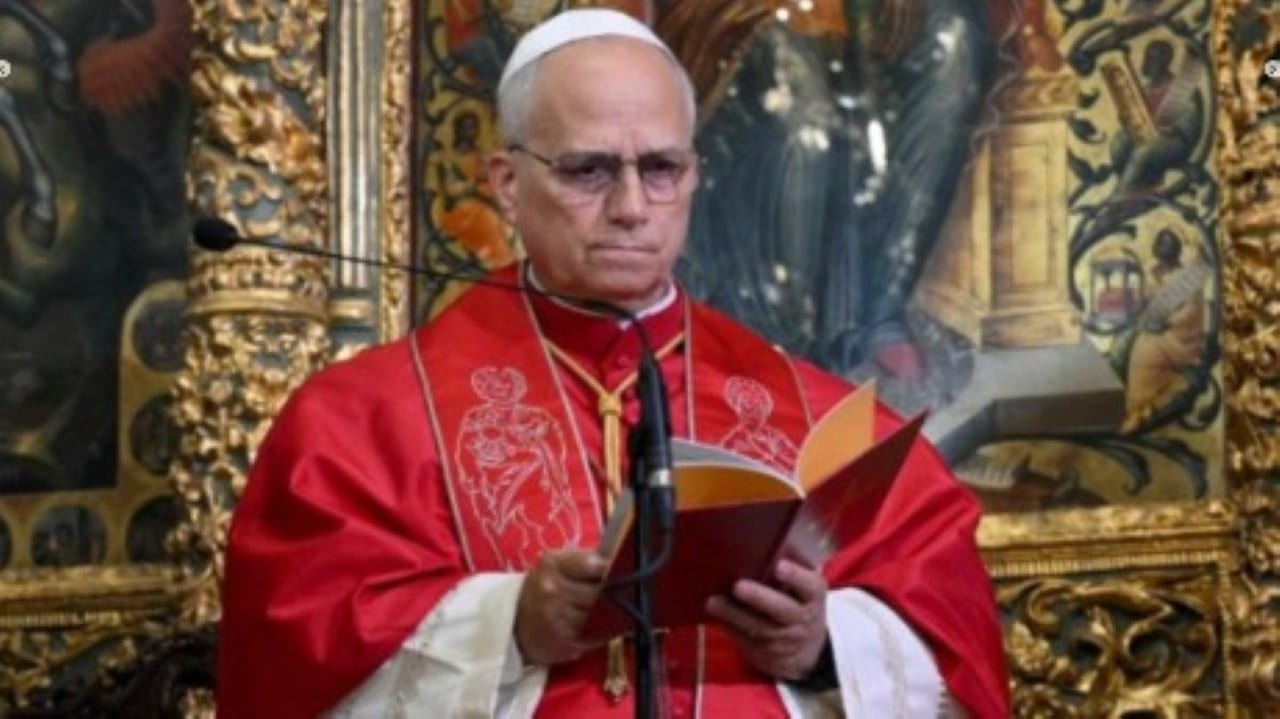
Papa Leone stations of the way of the cross personally, carrying the Christian symbol in a gesture of deep symbolic and spiritual charge. The liturgy of Paixão of Senhor began at 5pm local time at Basílica of San Pietro, preceding the night procession that attracts thousands of faithful and tourists to the Italian capital. This year’s meditations were written by Father Via Crucis1, former Custodian of Via Crucis2, and bring a critical and urgent tone to the current geopolitical situation.
The central message of the celebrations focuses on the moral responsibility of rulers in the face of armed conflicts that devastate different regions of the planet, especially in Oriente Médio. The text of the meditations warns that those who decide to start or maintain wars will be accountable to Deus for the exercise of their power. Papa Leone XIV has reinforced calls for a ceasefire and diplomatic negotiations, highlighting that the world is going through a dark and troubled time due to violence and the thirst for revenge.
- The liturgy of Paixão began promptly at 5pm on Basílica of San Pietro.
- The main event of Via Crucis takes place at 9:15 pm in the amphitheater Flávio, Coliseu.
- Pontífice decided to carry the cross during all 14 stations of the cross.
- The focus of prayers includes victims of genocide, massacres and global indifference.
Authority and accountability before the deity
The content of the meditations read during Via Crucis emphasizes that no political or military authority is unlimited or absolute in the face of divine judgment. Father’s text Patton reminds us that the power received must be used for peace and the liberation of people, and not for economic oppression or education for violence. Segundo reflections prepared for the first station, the act of judging and deciding the fate of nations entails an ethical obligation that transcends the temporal interests of world leaders.
This positioning occurs at a time of high international tension, where Vaticano has sought to act as a discreet mediator on several conflict fronts. Papa Leone Insistence on dialogue appears as the only way proposed by Santa Sé to stop the sequence of deaths and destruction that affects innocent civilians.
Respect for the dead and dignity in armed conflicts
This year’s thirteenth season of Via Crucis brings a resounding call for respect for the bodies of those who died in war zones, regardless of their conduct in life. The meditations highlight that corpses should not be hidden, vilified or withheld, guaranteeing the fundamental right of families to carry out dignified burials for their loved ones. Este Specific section reflects the difficulties faced by families of hostages and victims of burial under rubble in cities devastated by recent bombings.
The call for “tears of mercy” seeks to raise awareness among the international community of the pain of mothers and wives who mourn the loss of their family members in massacres and summary executions. The official prayer calls for solidarity with political prisoners and for understanding the suffering of those awaiting news of people captured in fighting. Para to Igreja, the human body, even after death, preserves the person’s dignity and cannot be transformed into an instrument of political or military humiliation.
Cristo identification with the victims of modernity
- The figure of Cristo is associated with the poor deprived of their basic dignity in the contemporary world.
- The text highlights the presence of the sacred in women who are victims of human trafficking and modern slavery.
- Children whose childhoods were stolen by conflict are remembered as the face of today’s suffering.
- People condemned by prejudice and marginalized by society are part of the list of papal meditations.
Solidarity with the imprisoned and socially marginalized
Papa Leone The meditations invite the faithful to feel the pain of those who are deprived of their freedom and those who are judged unfairly by partial judicial systems. The narrative establishes a direct connection between the path from Jesus to Calvário and the daily difficulties faced by those who live on the margins of society and the global economy.
Throughout the rite, the emphasis remains on the need for reconciliation rather than revenge, urging world powers to rethink the use of the economy as a tool of pressure against fragile peoples. Igreja argues that true power manifests itself in the ability to educate for peaceful coexistence and in the effort to rebuild what violence destroyed. The event on Coliseu, broadcast to millions of viewers around the world, serves as a platform for these values of human brotherhood to be reaffirmed in the face of the global humanitarian crisis.
History of appeals for peace in Vatican diplomacy
Since the beginning of his pontificate, Leone XIV has maintained an active dialogue with major global leaders, including recent conversations to try to put an end to ongoing wars. Missa in Coena Domini, held in Basílica of San Giovanni in Laterano, had already set the tone for this Semana Santa when Papa washed the feet of twelve priests, symbolizing service and humility. Esse return to more traditional rites in form, but loaded with contemporary political messages, marks Santa Sé’s strategy for 2026.
The prayers of this liturgical period are seen as a continuous effort to prevent the cynicism of the powerful and the indifference of the richest populations from prevailing over the need for humanitarian aid. Santa Sé reiterates that Easter time is the most sacred period of the year and, therefore, the most opportune moment for gestures of peace to be implemented in the international arena. The closing of Via Crucis on Coliseu traditionally culminates with an apostolic blessing, where Pontífice usually improvises words of comfort to those who directly suffer the consequences of decisions taken in war cabinets.



