
Trump says Strait of Hormuz can be opened in time to extract oil from Iran

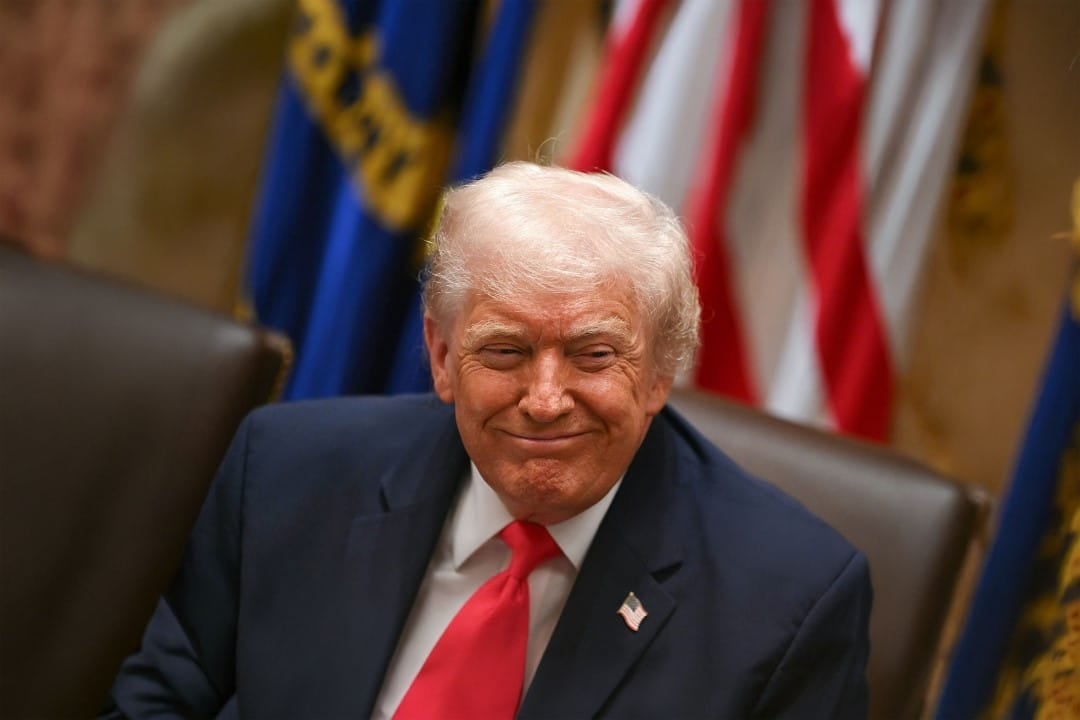
The president of Estados Unidos, Donald Trump, declared this Friday, April 3, 2026, that the North American Exército has the capacity to reopen the Estreito of Ormuz. In publications made on his social networks, the Republican stated that the operation only depends on a more extensive schedule to be successfully accomplished. Segundo the leader of Casa Branca, the measure would allow the country to take control of the region’s oil reserves to generate significant profits.
The demonstration occurs at a critical moment, exactly five weeks after the official start of the armed conflict with Irã. The war began in February 2026, marked by a series of coordinated air offensives between the forces of Estados Unidos and Israel. Desde then, the sea passage of Ormuz, through which approximately 20% of the world’s oil flows, remains blocked, generating severe instability in international financial markets and raising the price of fuel globally.
Tensions in the global energy market
The interruption of the flow of cargo ships by Estreito of Ormuz has caused growing international concern among the main economies. Last Thursday, a group made up of 40 nations requested the immediate reopening of the road, accusing the government of Teerã of keeping world trade in custody. The blockade directly impacts the supply of fertilizers and industrial inputs, affecting production chains on several continents.
Energy sector experts point out that, although Estados Unidos has robust domestic production, the strait paralysis increases the value of a barrel on the global market. American voters are already facing the systematic increase in the prices of gasoline and basic goods, which generates political pressure on the current administration. The Iranian government, in turn, conditions the normalization of maritime traffic to the definitive end of foreign military operations in its territory.
Military strategies and resource control
Trump defended that the pace of military operations should not decrease in the coming weeks, maintaining the maximum pressure stance against the Iranian regime. The North American president minimized the direct dependence of Estados Unidos on the oil that transits through Ormuz, suggesting that other countries should take the lead in protecting the route. In his recent statements, he emphasized that strategic targets, such as power generation plants and refining infrastructures, remain on the radar of coalition forces.
- The sea flow in Ormuz is jointly controlled by Irã and Sultanato of Omã.
- Effective blocking of the passage began on January 28, after the first attacks from Israel.
- Around 45,000 US troops are deployed in the Oriente Médio region.
- Japão and Coreia depend on up to 90% of their oil coming from this specific route.
The rhetoric of Trump indicates a change in attitude regarding the physical occupation of strategic points for the extraction of natural resources. Analistas international observe that the intention to “make a fortune” with the confiscated oil breaks with purely defensive justifications used at the start of hostilities. Enquanto this, the Conselho of Segurança of the Organização of the Nações Unidas attempts to mediate a humanitarian pause to allow the passage of medical supplies and food to the affected civilian population.

Economic impacts and international reactions
The prolonged war scenario in Irã has significantly increased environmental and climate risks in the Golfo Pérsico region, according to reports from international agencies. The destruction of oil infrastructure has caused large-scale spills, threatening the marine ecosystem and water security in neighboring countries. In response to Trump’s speeches, European leaders expressed skepticism about the possibility of a forced and safe opening of the strait without a prior diplomatic agreement.
França, for example, classified the idea of liberating the sea lane through violence as unrealistic and dangerous for the Allied navies. The French government believes that a military operation of this size would expose vessels to long-term attacks, making the commercial route unviable for an indefinite period of time. Mesmo with the opposition of traditional allies, Casa Branca maintains the discourse that strategic victory is close and that Irã has been devastated in its primary defensive capabilities.
Developments of the military operation no Irã
The military operation, which has now passed the 30-day mark, has resulted in the elimination of a large part of the command leadership of Iranian forces. Trump claims that the new leaders who emerged amid the chaos are less radical, although there is still no formal negotiation channel established. The “extreme force” strategy promised by the president aims to force a complete surrender or regime change that favors the economic and geostrategic interests of the Estados Unidos in Ásia Ocidental.
The government of Israel continues to act as the main operational partner in air raids, focusing on neutralizing defense programs and missile bases. Regional instability also attracts the attention of other powers, such as Rússia and China, which closely monitor movements at the mouth of Golfo. Maintaining the blockade of Ormuz for longer could lead to a permanent reconfiguration of energy export routes, benefiting countries that have alternative transport infrastructures.
Context of diplomatic relations in 2026
So far, there are no concrete forecasts for the withdrawal of troops or for the interruption of systematic bombings on Iranian territory. The US president insists that the conflict is a necessary investment for the future security of future generations, comparing the effectiveness of the current campaign with historic wars of the past. Irã’s diplomatic isolation has increased, but support from regional militias financed by the former regime still generates pockets of resistance and attacks against Israeli and British targets.
The international community awaits the next steps of the Trump administration, especially with regard to direct control of oil assets on foreign soil. The possibility of military administration of Iranian refineries by the Estados Unidos raises complex legal questions about international law and national sovereignty. The outcome of this crisis will define the price of energy for the rest of the year and the balance of power in one of the most volatile areas on the planet. Trump claims that Estreito of Ormuz can be opened with time to extract oil from Irã



