

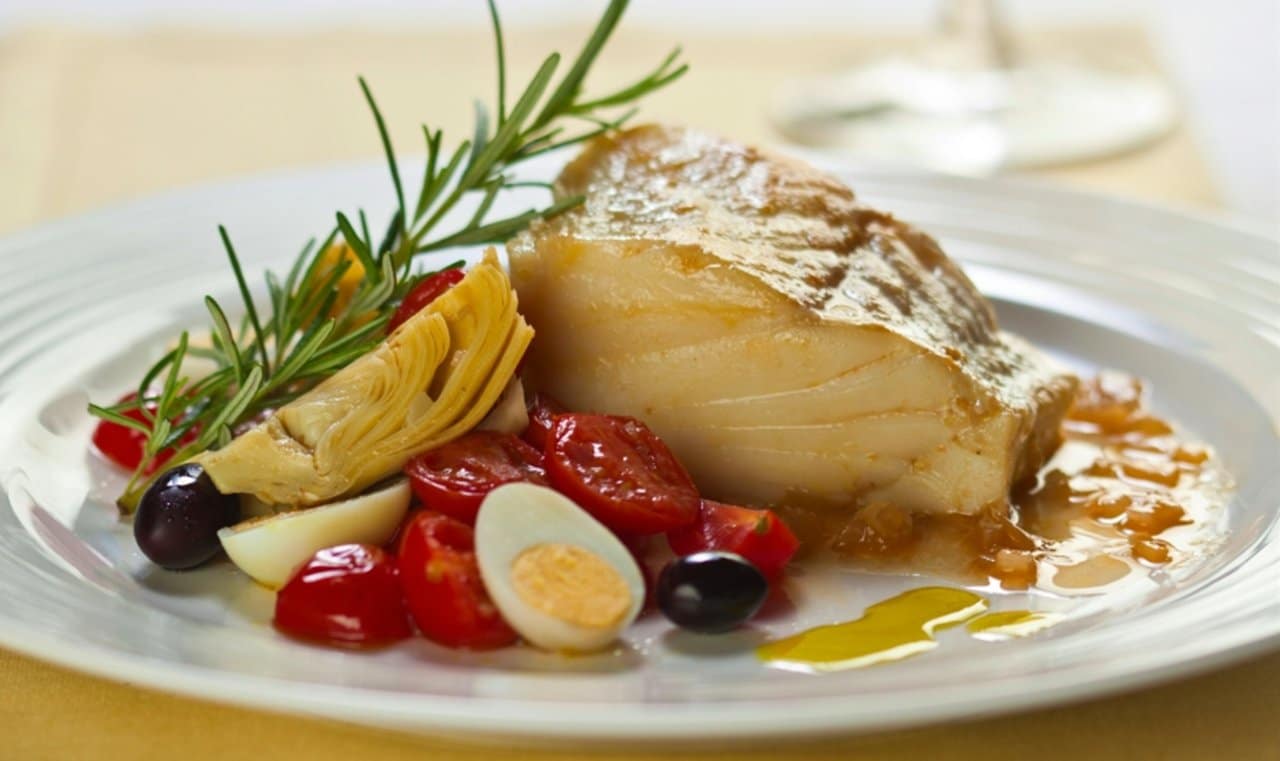
The presence of cod at the table at Sexta-Feira Santa is a tradition deeply rooted in many Brazilian Catholic families, a custom that sometimes raises questions about its meaning and relevance in contemporary times. The observance of not consuming red meat during Quaresma, or specifically Semana Santa, culminates on the day before Páscoa with the emblematic savory delicacy, the choice of which, for some, seems to contrast with the spirit of abstinence and sacrifice due to its higher cost. Esse scenario instigates a reflection on the origins of this culinary habit, which has become a pillar of annual religious celebrations in the country, and how it has been consolidated over the centuries, transcending simple dietary practices and delving into complex historical and cultural layers.
The discussion about the consumption of cod, which is often more expensive than certain meats, highlights a perception that abstinence should be aligned with acts of charity, such as donating what was saved to those most in need. Tal perspective suggests that religious practice must go beyond simple food deprivation, connecting to a greater purpose of solidarity and assistance. Essa Critical vision resonates in a period of economic challenges, where access to basic foods is already a difficulty for a portion of the population.
However, the history behind this tradition is multifaceted and complex, with roots that span centuries and intertwine with cultural and religious influences. Para To unveil why cod took on this leading role in Sexta-Feira Santa, it is necessary to delve into aspects that go beyond the economy, exploring the pillars that support this very particular practice.
The role of Portuguese colonization and the practice of fasting
The strong influence of Portugal as a colonizing country of Brasil is one of the central pillars for understanding the insertion of cod in national gastronomic culture, especially in the religious context. However, the explanation is not restricted to Portuguese cultural heritage. Há also the inherent characteristic of cod of being a product that can be preserved for long periods without the need for refrigeration, which was a crucial differentiator in times before modern technology.
Historically, the practice of fasting is the starting point for understanding abstinence from meat. Desde In the first centuries of Christianity, food deprivation was observed, but without a focus on a specific food. The researcher of the history of Catholicism at Pontifícia Universidade Gregoriana of Roma, Mirticeli Medeiros, explains that it is at Idade Média that the precepts of fasting begin to take a more defined form, establishing a practice of asceticism and self-control.
The idea of fasting represented a form of austerity and control of human pleasures, in dimension to Jesus’s sacrifice on the cross. Essa understanding is reinforced by the historian, theologian and philosopher Gerson Leite of Moraes, of Universidade Presbiteriana Mackenzie, who connects Catholic fasting to the sacrament of penance, that is, a sacrifice made for the remission of sins and reconciliation with Deus. Quaresma, as a period of forgiveness and reconstruction, becomes the ideal stage for this experience of abstinence.
Symbolism of fish and the restriction of red meat
The permission to consume fish during the Catholic fast also has rich symbolism. In the historical Jesus context, fish were a staple food for Oriente Médio communities around two thousand years ago, and many of Jesus’s earliest followers were fishermen. Embora Although there is no explicit direct relationship between these facts and the exchange of meat for fish, the connection is established at other layers.
In ancient Greek, the word fish was “ichthys”. Cristãos Primitives, who lived under persecution, adopted the fish as a secret symbol, giving the word a powerful acronym: Iesous Christos Theou Yios Soter, meaning “Jesus Cristo, Filho from Deus, Salvador.” Assim, the consumption of fish transcended mere nutrition, incorporating a profound Christological and identity meaning for the faithful. The complexity of defining “fish” in a religious context has led to curious interpretations over time.
The restriction on red meat, in turn, was theorized in the 13th century by the philosopher and theologian São Tomás of Aquino. Ele pointed out meat as one of the most pleasurable foods, associating its consumption with lust and the “sins of the flesh”. Abstinence, in this sense, meant depriving oneself of something that provided great satisfaction, in line with the concept of mortification and renunciation. Essa theology was gradually incorporated into the rules of Igreja.
Documents such as Regra of São Bento, from the 6th century, already required monks to only eat meat in extreme cases of need or health. Over the centuries, synods of Igreja debated the topic intensely, even questioning whether processed meats, such as ground meat or ham, would lose their “meaty properties” and could be consumed. The practice of “skinny fasting”, with abstinence from meat at various times of the year, was common in Idade Média, and the current rules are contained in the documents of Vaticano: Código of Direito Canônico of 1917 and Constituição of 1966 of Papa Paulo VI.
It is interesting to note that justifications for differentiating types of meat and allowing fish often evoke elements such as the “cold blood” of fish in contrast to the “warm blood” of cattle and poultry. The nuances in defining what constitutes a “fish” in a religious context can be quite flexible and sometimes diverge from scientific classification. Existem historical reports of bishops who declared animals such as alligators, capybaras and even beavers as “fish” for the faithful of their dioceses, allowing their consumption in Quaresma, demonstrating the adaptability of the rules in different cultural and geographic contexts.
The arrival of cod at Brasil and its consolidation
Despite cod’s strong association with Sexta-Feira Santa, Igreja Católica does not have any specific prescription regarding its use. The dissemination and consolidation of cod no Brasil as a typical dish of that day is directly attributed to the influence of Portuguese customs. The delicacy was introduced to the country in the 19th century, and its popularity is largely due to its ability to preserve for a long time.
In a pre-refrigeration era, especially in the tropical Brazilian climate where Quaresma occurs during the summer, the shelf life of salted and dehydrated cod was an invaluable advantage. Isso allowed the faithful to consume it throughout the Quaresma without worrying about damage, transforming it into a practical and affordable option for observing the fast. Portanto, the choice of cod was not primarily a matter of faith in the delicacy, but out of pure pragmatism.
The arrival of the Portuguese court in 1808 accelerated the introduction of cod into Brazilian cuisine. Aos few, the delicacy started to be found in dry goods stores, becoming more available to the population. Penance, seen as voluntary obedience to a moment of reflection and sacrifice, found cod a practical and traditional replacement for red meat.
From religious ritual to market dynamics
A tradição da abstinência de carne vermelha, trazida pelos colonizadores portugueses, acentuou-se com a chegada da corte ao Brasil. O bacalhau, sendo parte da culinária portuguesa e de fácil conservação, foi naturalmente inserido nesse contexto. Over time, this practice was given new meaning and became an intrinsic part of Brazilian cultural and religious identity. The influence of Catholicism since colonization and the guidance of local priests reinforced the observance of the faithful.
The consumption of cod, initially linked to religious and conservation aspects, quickly gained strength in the market. In a capitalist society, when a product becomes part of such an ingrained cultural tradition, it becomes a commodity. The growing demand for cod in Quaresma and, in particular, in Sexta-Feira Santa, has created a vigorous market niche, where sellers and consumers perpetuate the cycle. What began as a practical necessity and a religious precept is now also driven by commercial dynamics, to the delight of fish traders who see their sales soar during this period.
The history of cod at Sexta-Feira Santa is, therefore, a tangle of faith, culture, history and economy, showing how traditions are formed, adapt and persist over time, maintaining their relevance both on a spiritual level and in people’s daily lives.



