
Apple redefines iPhone 18 Pro with transparent chassis and 5200 mAh battery for the global market

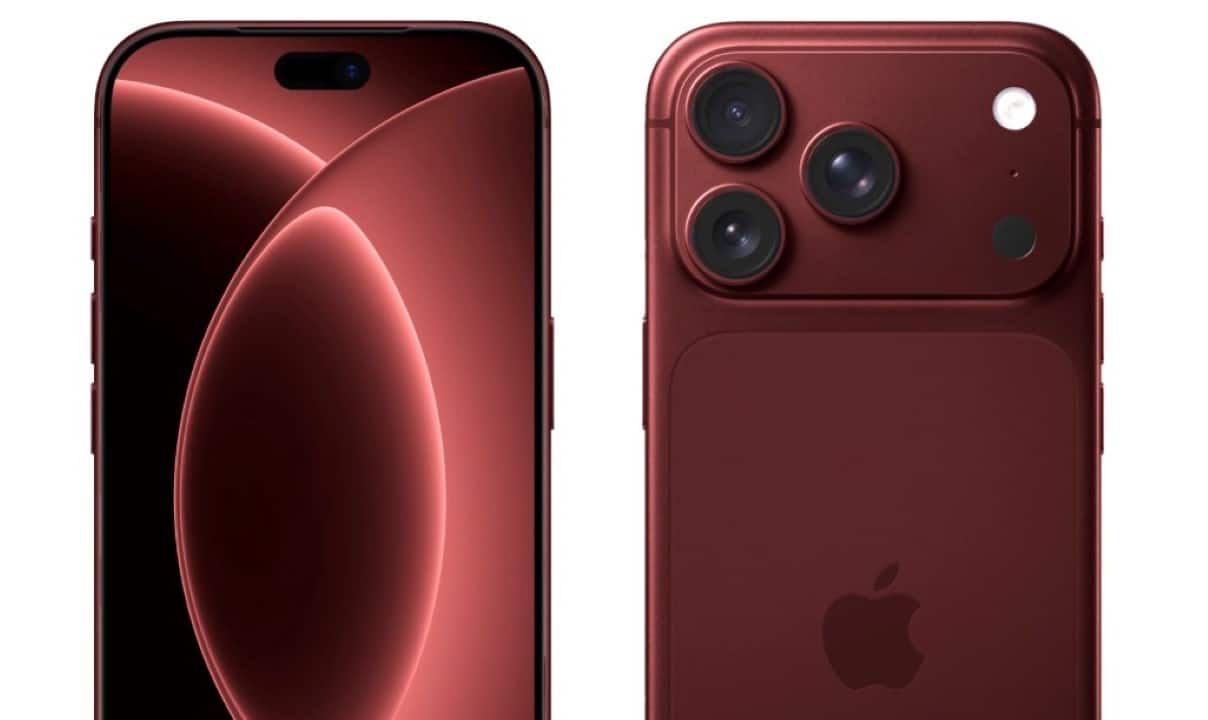
The global telecommunications industry is following the final phase of development of the new generation of high-performance mobile devices from Apple. The latest project from the Cupertino-based company establishes a profound change in hardware architecture, modifying the aesthetic and construction standards of the premium segment. The forecast for availability of the equipment on the international market points to the month of September, following the manufacturer’s traditional launch calendar for technology retail.
Developing the new format required years of research by hardware engineers and materials experts, resulting in a chassis that exposes the smartphone’s internal components in an unprecedented way. The technical decision required the complete redesign of the motherboard and heat dissipation systems, which had to be redesigned from scratch. Internal engineering has been rigorously adapted to ensure a continuous visual display while maintaining all electrical and structural safety protocols for the end user.
The visual changes respond to a growing market demand for tangible physical innovations in the telephone sector, which had been stagnating in its formats. The change breaks the design pattern used in the last generations of the main line and creates a new parameter of competition between mobile technology giants. The strategic move forces other global manufacturers to review their own construction approaches, driving a new race for aesthetic and functional differentiation in the supply of high-cost devices.
Visual architecture and high-resistance materials
To guarantee the integrity of the translucent back plate, the manufacturer developed a reinforced glass alloy that underwent specific chemical treatments in materials science laboratories.
The industrial process applied to the component prevents yellowing and visual degradation over time of continuous use. The molecular composition also ensures superior resistance against accidental falls and common daily friction.
The main structure of the device uses aerospace-grade titanium, a material selected to deliver an exact combination of lightness and superior structural rigidity compared to stainless steel.
The union of the treated metal with the new glass required the creation of an unprecedented industrial glue, capable of sealing the equipment against water and dust under strict certifications without compromising transparency.
Thermal management and expanded energy capacity
Energy autonomy presents a substantial technical advance in this generation, made possible by a battery cell that reaches a capacity of 5200 mAh. The significant increase in volumetric density occurred due to a new internal organization architecture, which takes advantage of every millimeter of the chassis without increasing the overall thickness of the smartphone. The physical restructuring made it possible to allocate a considerably larger power source, meeting the continuous processing demands required by the new software features and ensuring that the device remains active during extended journeys of corporate use and media consumption.
With the visual display of internal parts, temperature management took center stage in hardware development, requiring complex cooling solutions. The engineering solution integrates high-density graphene plates and a completely redesigned vapor chamber system to cover a larger area of the logic board. The thermal assembly acts to quickly and silently dissipate the heat generated by the main processor, protecting the rear glass panel against overheating and maintaining the external temperature at comfortable levels when performing heavy tasks.
Front panel optimization and hidden biometrics
The dimensions of the front panels have received precise millimeter adjustments, now delivering 6.3 inches in the standard high-performance model and 6.9 inches in the version with the largest physical proportion.
Display engineering managed to refine manufacturing processes to reduce the frames around the OLED screen, maximizing the usable viewing area and providing greater immersion.
The front interface underwent a definitive structural change with the transfer of facial recognition and brightness sensors to the lower layer of the active screen, reducing the upper notch area by 35%.
Processing performance and artificial intelligence
The smartphone’s processing core operates with a chip manufactured using the 2-nanometer process, establishing a historic milestone in the miniaturization of transistors and energy efficiency within the semiconductor industry. The component was structured with a primary focus on executing artificial intelligence algorithms directly on the hardware, drastically reducing the need to connect to cloud servers to process natural language, simultaneous translations and generation of complex images. The system architecture divides mathematical operations between ultra-high performance cores and efficiency cores, managing the consumption of the 5200 mAh battery in an intelligent and adaptive way. RAM memory was increased to 12 GB, a technical specification strictly necessary to support language models running in the background and guarantee absolute fluidity in the transition between dozens of applications open simultaneously. The security of information processed locally occurs through a secure enclave physically isolated from the main operating system, shielding biometric data and passwords against external invasion attempts. Simultaneamente, New programming interfaces allow third-party applications to access the neural engine to learn the owner’s usage patterns in real time, anticipating routine actions without compromising the privacy of data stored on the equipment.
Advances in optical system and light collection
The rear photographic module integrates a variable aperture mechanism in the main lens, technology inherited from dedicated professional cameras that physically adjusts the light input according to the ambient lighting. Mechanical innovation improves depth of field in portraits and increases sharpness in night photography by eliminating visual noise.
All lenses have received a laboratory-formulated optical coating to reduce unwanted reflections and visual ghosting caused by direct light sources. The optical zoom system adopted an upgraded refraction prism, stabilizing the image more efficiently during motion recording or long-distance shooting.
Satellite connectivity in remote areas
The device’s connectivity infrastructure has been expanded to support much more robust satellite communication, overcoming the restricted sending of emergency messages. The new integrated radio frequency technology makes it possible to make short voice calls and send compressed multimedia files in remote regions where traditional cellular network coverage is completely non-existent.
Transition to virtual chips and Asian production
The manufacturer confirmed the strategic decision to remove the physical chip tray in all models on the global market, consolidating the definitive transition to virtual chip technology. Eliminating the enclosure frees up valuable internal space for battery expansion and removes a physical point historically vulnerable to debris intrusion.
The Asian supply chain has begun calibrating its assembly lines to begin mass production of components in the second quarter of the year. The price positioning in stores will reflect the high research and development costs of the new transparent materials and advanced processor, consolidating the device at the top of the market.



