
Austrian model adopted in Germany contributes to more expensive gasoline according to economists

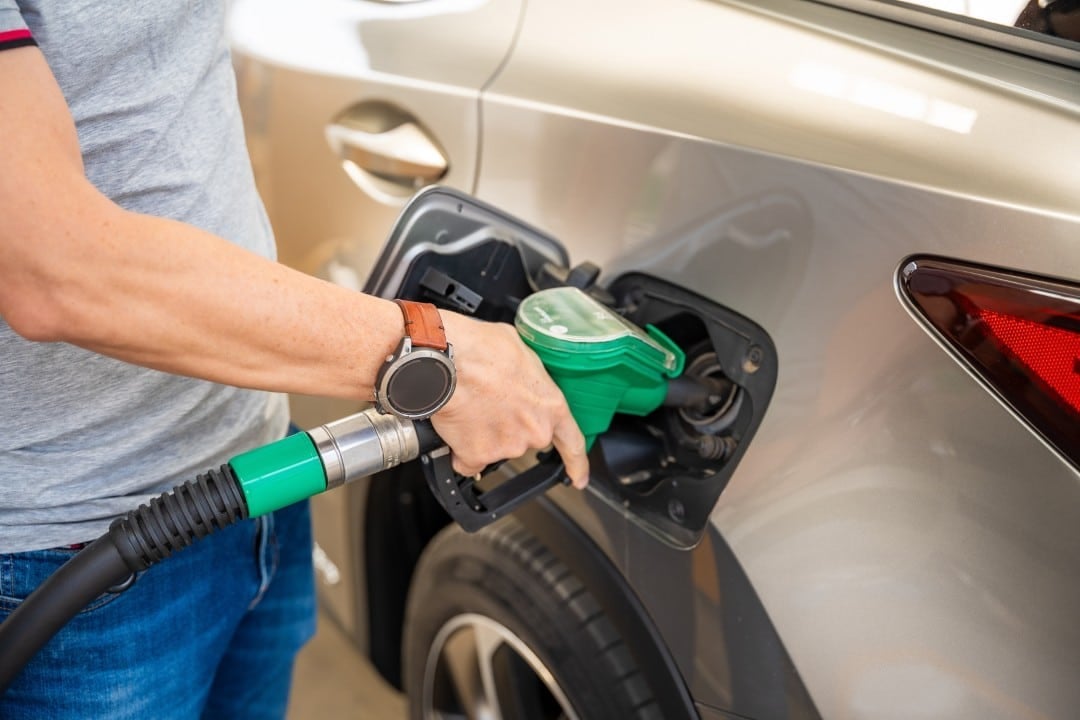
The German government recently implemented a regulation that allows gas stations to increase prices only once a day at noon while authorizing reductions at any time. Essa measure known as the Austrian model seeks to bring more predictability to fuel prices amid the escalation caused by geopolitical tension in Oriente Médio. However, the rule did not produce the expected effect and gasoline and diesel prices have registered significant increases in recent weeks. Motoristas Germans face prices that often exceed two euros per liter in several regions of the country.
The restriction on daily increases was intended to prevent constant price adjustments in response to fluctuations in the international oil market. Postos You can freely reduce values throughout the day but only increase them once at the defined time. Essa Asymmetry created different incentives for companies operating in fuel retail. Especialistas in competitive economics warned from the beginning that the measure might not contain the general rise in prices.
- The rule allows an upward adjustment at noon and unlimited reductions thereafter
- Nearby stations monitor each other to avoid losing customers
- Companies set higher levels in the daily adjustment guaranteeing additional margin
The implementation took place in a context of strong pressure on global energy costs. The conflict in Oriente Médio raised the prices of crude oil and derivatives, directly affecting the European market. Na Alemanha Diesel and E5 and E10 gasoline accumulated significant increases in a short period. The regulatory measure was approved by Bundestag as a quick response to consumer complaints.
Criticisms of the model adopted in Alemanha
Economists predicted that limiting increases alone would not reduce average prices charged at gas stations. The possibility of frequent cuts allows companies to react to competition without permanent risk of losing margin. Quando All stations increase prices at the permitted time, the additional profit is preserved even with subsequent selective reductions.
Justus Haucap economist specializing in competition already indicated more than a decade ago that similar rules allow suppliers to “take a big drink from the bottle safely”. Companies can raise prices significantly once a day and then adjust downwards only where necessary. Estudos carried out at Áustria where the model has been in force for years confirm that prices are not falling in a sustained manner.
The Austrian experience demonstrates that the asymmetric restriction does not structurally alter the pricing dynamics. Empresas continue to maximize profits by setting the highest possible level at the time authorized for increase. Consumidores observe fluctuations throughout the day but the final average value does not register a relevant reduction.
Alternative suggested by analysts
Experts advocate reversing the logic of regulation to obtain different results. Permitir price increases at any time but limiting reductions to just once a day at noon would force companies to set more competitive prices from the start. Sem To be able to react immediately with cuts, gas stations would have to publish their minimum daily price to avoid losing market share for 24 hours.
This reversal would create an incentive for more aggressive once-a-day offers. Companies would avoid setting high prices for fear of being left with an unattractive product until the next cycle. The possibility of free lifts at any time would maintain flexibility to pass on real supply costs when necessary.
- Stations would set low initial prices to attract volume
- Single daily reduction would limit constant defensive adjustments
- Consumers would gain greater transparency about the real minimum value
The current price crisis stems mainly from the real shortage of crude oil and derivatives on the global market. Intervenções Regulatory regulations do not change the underlying offer but can influence the way in which costs are passed on to the end consumer. Limitar reductions rather than increases would represent an approach opposite to that adopted so far in Alemanha.
Factors that influence current pricing
Many drivers still do not systematically compare prices at nearby gas stations, which reduces natural competitive pressure. Aplicativos and transparency platforms help but the habit of choosing based solely on location or convenience persists. The combination of high international costs and internal market dynamics explains part of the persistence of high values.
German regulations provide for fines of up to 100 thousand euros for non-compliance with daily adjustment rules. Apesar of the penalty the practical effect on average prices remains limited according to sector observers. The temporary measure must be reviewed in future months to assess its real effectiveness.
Limitations of regulatory intervention
Any restriction on price adjustments faces structural challenges in the fuel market. Fatores As crude oil volatility, refining costs and distribution logistics have a greater influence than local timing rules. Recent experience at Alemanha reinforces that the Austrian model does not solve the underlying problem of rising costs.
Analysts emphasize that interventions must be evaluated based on empirical evidence accumulated in different countries. Estudos Theoretical and laboratory researchers indicate that asymmetric rules can produce effects contrary to those desired by encouraging higher initial levels. The discussion about alternatives remains active among experts in economic policy and competition defense.
Dynamics observed in German posts
Stations adjust prices upwards at permitted times and then make specific reductions to keep up with specific competitors. Essa strategy allows you to preserve higher average margins throughout the day. Motoristas who refuel in the morning before the official adjustment often find lower values but the time is not always practical for their daily routine.
The current rule does not prevent general prices from rising in response to increases in acquisition cost. Ela only concentrates the adjustments at a specific moment, which facilitates implicit coordination between operators. Resultados practices observed in recent weeks confirm the predictions made by economists before implementation.
Perspectives for future adjustments
German authorities are monitoring the impact of the measure in the coming weeks with the possibility of corrections. Price transparency through digital tools can complement any regulation by empowering consumers to choose. Enquanto This focus remains on the origin of the high costs that derive from global energy supply and demand factors.
The debate on fuel price regulation gains relevance whenever external shocks increase retail prices. Diferentes Approaches tested in European countries provide lessons on what works and what doesn’t in practice. Na Alemanha The initial experience with the Austrian model serves as a basis for discussions on more effective measures in the future.



