
Gabe Newell stepped away from game production: excessive respect from the team at Valve influenced him
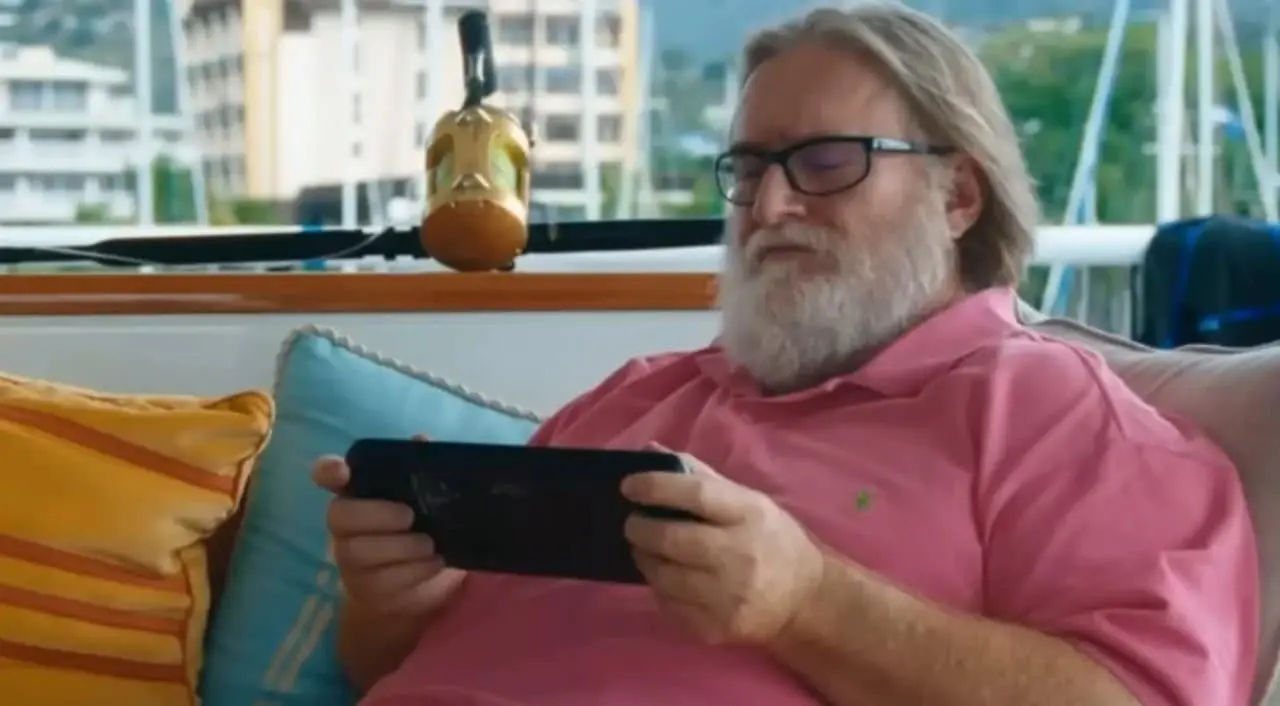
Gabe Newell, a central figure in the video game industry and founder of Valve, significantly reduced his participation in active game development following the release of Portal 2. The decision, surprising to many, was rooted in the company’s internal dynamics.
The legendary leader of Valve found himself in a situation where his presence and track record of success inhibited the team from expressing dissenting opinions. Este scenario generated an environment where creative debate, essential for innovation, was compromised.
The revelation was made by Josh Weier, lead designer for Portal 2, who brought to light the challenges faced by Newell in his role as an active developer, highlighting the complexity of being an influential leader in a creative studio.
On the same topic: Gabe Newell steps away from creating games at Valve to avoid intimidation from developers
The dynamics of creative influence
The story, detailed by Weier in an interview with the podcast Kiwi Talkz, describes how Gabe Newell, despite his genuine desire to collaborate on an equal basis, realized that his authority generated an awkward silence. Developers, intimidated by his status, were reluctant to challenge his ideas, even when he actively sought contradiction.
Newell expressed the desire to be a regular member of the team, proposing ideas and participating in the creative process horizontally. Contudo, the standard response of “Whatever you say” made it clear that the interaction he sought was unfeasible, creating an invisible barrier.
An environment of respect and silence
Essa specific momentum emerged in the late 2000s, a period of great success for Valve, which had reaped gigantic fruits with Half-Life 2 and was paving the way for Steam’s dominance in the digital market. The prestige of Newell was unquestionable.
He understood that mere presence in the boardroom silenced other voices, preventing the “friction, debate and healthy confrontations” that, in his view, are the source of the best innovations. Essa Perception was crucial to his decision to reevaluate his role.
Success and the barrier of authority
Diante of this difficulty in horizontal interaction, Newell chose to take a step back. Weier reported that the founder of Valve concluded that he would not be able to interact with everyone in the way he wanted, which led him to step away from day-to-day game development.
Read also: Humanized management: Five Guys rewards employees with US$1.5 million after promotion disaster
This attitude is a reflection of Newell’s emotional intelligence. Instead of imposing his visions, he prioritized maintaining a healthy creative environment, allowing the team to flourish without the shadow of his authority.
Change of focus and general supervision
Embora is still credited as a producer on Portal 2, from that point on, Gabe Newell’s participation in Valve’s game projects became minimal, limited to generic thanks or credits. Seu Role morphed into a broader supervisory role.
Currently, Newell acts as the company’s leader, intervening only occasionally in the creative process, while Valve continues to expand its horizons and break market records, especially with the Steam platform and its new hardware.
Full coverage: News (EN)
The search for creative friction
Newell’s philosophy, which values debate and the friction of ideas as a driver of innovation, was the driving force behind his decision. Ele understood that the absence of dissenting voices was more harmful than the absence of its own direct contribution to development.
Legacy and the culture of innovation at Valve
The decision of Gabe Newell had a profound impact on the organizational culture of Valve, reinforcing a more horizontal structure where autonomy and collaboration are pillars. Esse model allows teams to innovate and make more independent decisions.
Understand the case: Costco closes 7 stores on federal holidays to prioritize employee rest
The work environment at Valve is widely recognized for its freedom and emphasis on individual contribution, characteristics that, paradoxically, were cemented by the absence of a central figure imposing on creative development.
This change in Newell’s role has allowed Valve to continue to produce acclaimed titles and maintain its prominent position in the market, adapting to the needs of a constantly evolving industry and valuing diversity of thought.
Newell’s story highlights a critical point in leading creative companies: the need to create spaces where all voices can be heard, even if that means an influential leader stepping aside to allow innovation to flow freely.
More news in News (EN)
See more → Samsung releases new system update with new features for Galaxy Watch 4 users
 Digital retail reduces the value of the Galaxy S25 5G smartphone with bank bonuses and device exchange
 Amazon’s wireless CarPlay adapter has a 50% discount and high approval ratings from drivers
 Zach Cregger’s new Resident Evil ignores games and focuses on an unprecedented story with new characters
 Rumor suggests that Nintendo is preparing a special edition of the Switch 2 with a remake of Ocarina of Time
 Apple accelerates production of the iPhone 17e and develops new Air model with dual camera system
 Epic Games platform releases twelve high-budget games at no permanent cost for PC users
 PlayStation 5 Pro price drop accelerates digital retail sales and eliminates global stocks
 New Galaxy Watch 9 firmware appears on server and confirms progress in software development
 Apple’s commemorative project tests cell phone with 1.1 millimeter edge and curved screen for 2027
 New Apple system update optimizes urgent task management for iPhone users
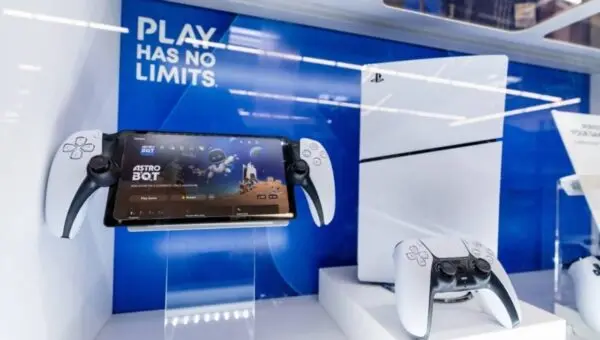 Leak details hardware of the new portable PlayStation with superior graphics to the Xbox Series S
More news on Mix Vale
- 1Colby Minifie confirms Ashley Barrett’s powers in The Boys season five
- 2Napoli x Milan in Serie A with confirmed lineups and where to watch live
- 3New battery test puts Galaxy S26 Ultra ahead of iPhone 17 Pro Max in global ranking
- 4Research reveals that parents are unaware of how their children use artificial intelligence
- 5Oppo officially launches the Find X9 Ultra worldwide with Hasselblad lenses and robust battery
- 6Tim Cook reveals new iPhone and iPod prototypes in celebration of Apple’s fiftieth anniversary
- 7New edition of foldable smartphone brings gold finish to Winter Games competitors
- 8Android system receives native Gemini Nano 4 integration for offline processing on smartphones
- 9Samsung updates QuickStar module and expands visual control of the panel in the One UI 8.5 interface
- 10Leak reveals Lords of the Fallen and Sword Art Online in April’s PS Plus Essential catalog