
Japanese automaker starts sales of luxury hybrid sedan with integrated Google for R$332,400

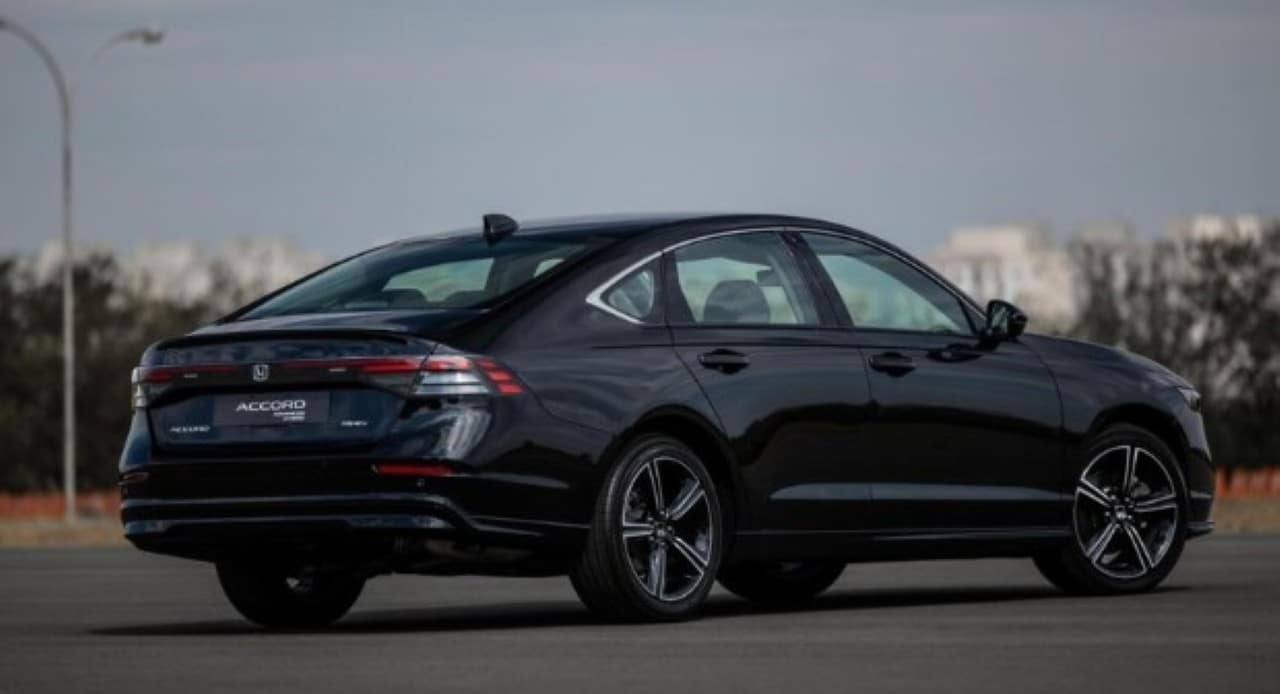
The Asian manufacturer confirmed the arrival of configuration Advanced Hybrid of its high-end sedan in specialized stores in the country. The car meets a demanding consumer profile that seeks sophistication, fuel economy and advanced connectivity, being offered for a suggested price of R$332,400.
The big new feature in this version is the presence of an intelligent virtual assistant built directly into the native entertainment system. Isso eliminates the need to connect a cell phone to access navigation maps or adjust basic cabin functions while driving.
The vehicle enters the competition for a highly competitive niche, presenting a solid and traditional option compared to the sports utility vehicles that currently lead the preference of the high-income public in the automotive sector.
The automaker’s tactic is to sell the car with a unique equipment package, guaranteeing the following standards:
- Maximum level of active and passive safety installed directly from the factory.
- Full connectivity without the need to purchase optional packages.
- Standardized premium finish for all units sold.
Commercial positioning and sales strategy
The marketing of the new model aims to attract buyers who prioritize sharp handling and a lower center of gravity, classic dynamic attributes of executive sedans. The stipulated value places the car in a price range where the competition is dominated by high-body vehicles, betting on superior thermal efficiency and the absence of extra costs with options to win over customers who value discretion and linear performance.
The selected dealerships have already started the sales process throughout the national territory, with the delivery schedule for the first batches set for the beginning of the last quarter. The automaker offers the car exclusively in color Preto Cristal Perolizado, a choice that highlights the chrome details and aerodynamic design, in addition to guaranteeing three-year coverage for the vehicle and eight specific years for the components of the electrical propulsion system.
Mechanical architecture and combined power
The propulsion system is based on e:HEV technology, developed to prioritize the use of electrical energy during the majority of the daily journey. The mechanical set combines a 2.0-liter naturally aspirated combustion engine, capable of generating 146 horsepower, with two high-capacity electric thrusters that deliver 184 horsepower.
The total system power reaches 204 horsepower, which guarantees vigorous acceleration for a large vehicle with considerable weight. The sedan can reach the mark from zero to one hundred kilometers per hour in around 7.5 seconds, demonstrating the necessary agility when overtaking and retaking on expressways.
Motive force management occurs fully automatically, switching between driving modes without the driver needing to intervene with the mechanical controls. Essa intelligent engineering ensures that the car always operates in the most energy efficient range, adapting instantly to road conditions and the pressure exerted on the accelerator pedal.
Intelligent range and driving modes
Hybrid operation is divided into three main programs that optimize fuel consumption according to acceleration demand and the cruising speed set by the driver. In EV Drive mode, the sedan moves using only the charge stored in the lithium-ion battery, making it the ideal option for heavy urban traffic, leaving traffic lights and low-speed maneuvers. Quando the force requirement increases, the system activates the Hybrid Drive, a situation in which the combustion engine acts strictly as an energy generator to feed the electric thrusters, which remain solely responsible for turning the driving wheels. Já on highways, at constant speed, the Engine Drive comes into action, connecting the combustion engine directly to the front axle through a locking clutch, taking advantage of the greater thermal efficiency of the gasoline engine. Toda This transition occurs imperceptibly for the occupants, resulting in average consumption figures of 17.8 kilometers per liter in the city and 16.5 kilometers per liter on the highway, allowing total autonomy to easily exceed the 600 kilometer mark on a single tank of fuel.
Native technology and digital ecosystem
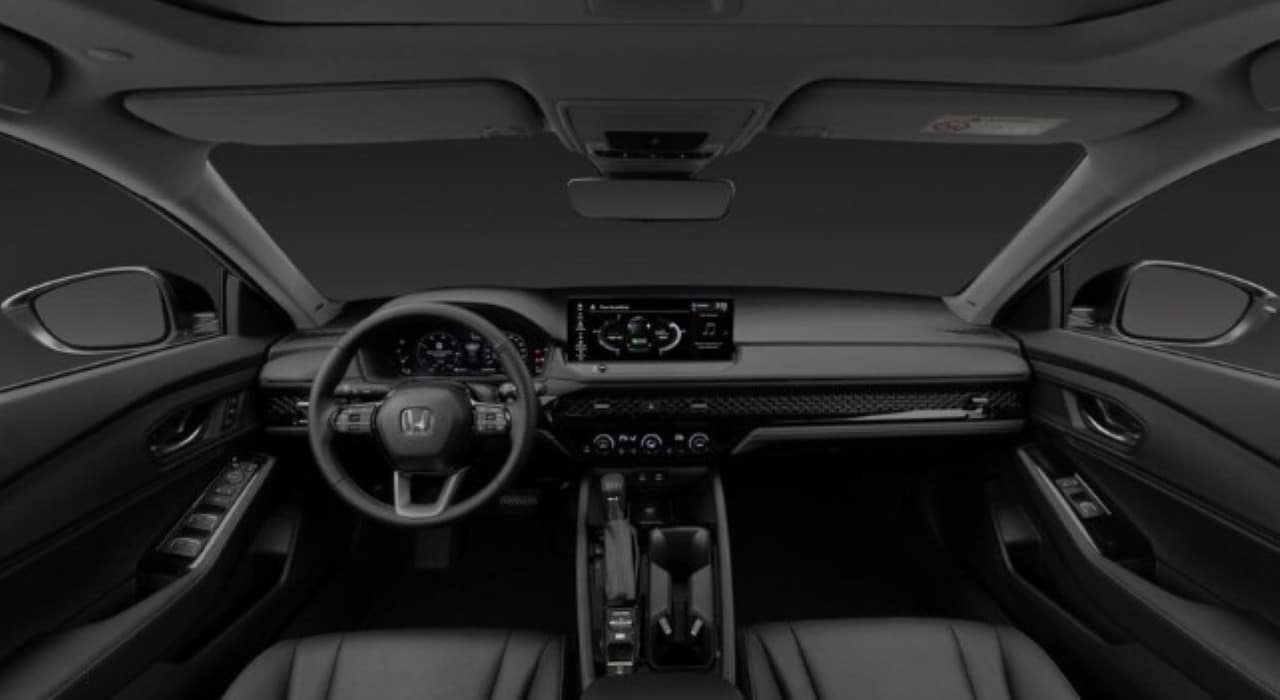
The internal environment was structured to act as an extension of the owner’s digital life, with the Google system as the center of entertainment and information operations. The 12.3-inch high-resolution multimedia touch screen is fixed to the top of the central panel to facilitate visual and tactile access without diverting attention from the road.
The driver can use natural voice commands to interact with the virtual assistant, requesting detailed routes, real-time traffic information or media and podcast playback. It is also possible to change the temperature of the two-zone air conditioning and check your personal schedule just by talking to the vehicle.
The 10.2-inch digital instrument cluster provides essential data about the journey, battery power flow and alerts from safety sensors around the car. Apesar of the native system being highly complete, the center maintains wireless compatibility with mirroring platforms from other smartphone brands for greater convenience.
The device charging structure includes an induction base in the center console and four USB-C fast charging ports distributed throughout the cabin. An exclusive connectivity application allows the owner to access telemetry information, lock the doors, locate the car and start the engine remotely.
External aesthetics and aerodynamics
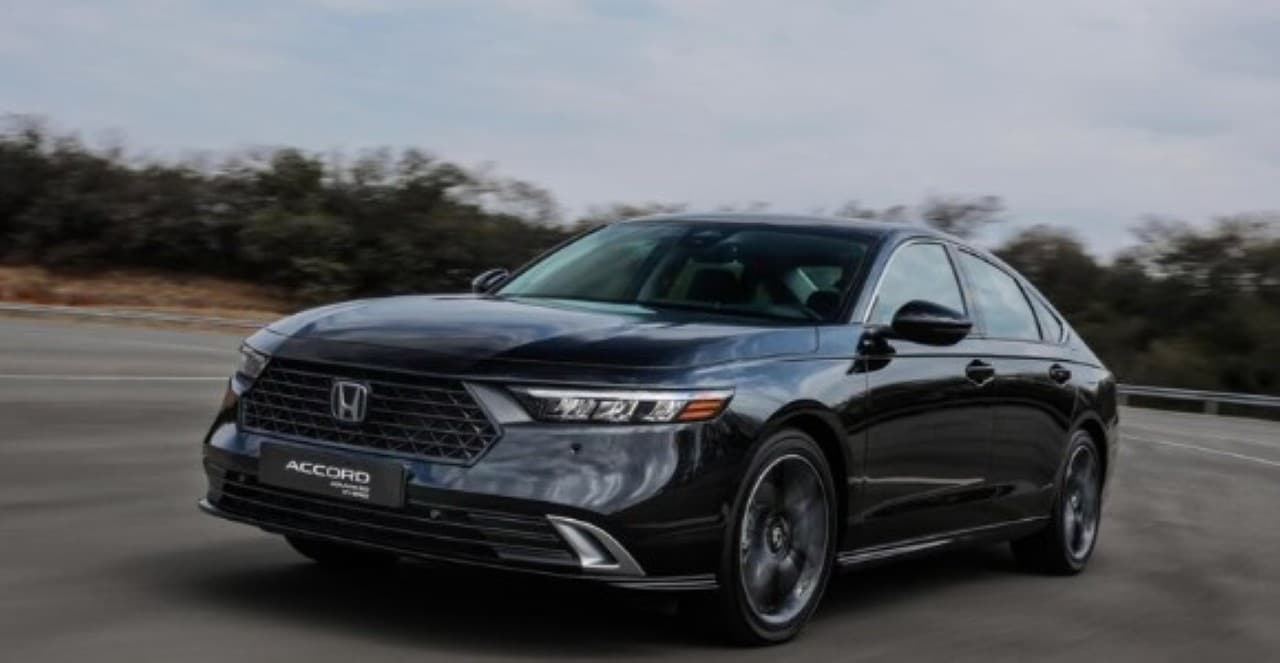
The body design follows a minimalist and fluid line, with a long hood and a roofline that recalls the profile of high-performance sports coupes. The front grille has active fins that open and close automatically to improve airflow at high speeds, while the LED optical assembly provides efficient lighting and a striking visual identity.
The 18-inch alloy wheels feature a machined finish and fill the wheel arches with an appropriate proportion for the size of the sedan. At the rear, the lights are interconnected by a horizontal light beam, a modern aesthetic feature that enhances the car’s feeling of width and stability.
Internal space and acoustic comfort
The cabin was designed to accommodate five adults in first-class comfort, favored by the wide wheelbase of 1,030 millimeters that guarantees generous legroom. The front seats feature soft-touch leather upholstery, electrical adjustments, driver position memory and integrated ventilation and heating systems.
Acoustic insulation received special engineering attention, with the application of sound-absorbing materials at strategic points on the body and laminated glass. The high-fidelity sound system, made up of 12 well-distributed speakers, creates an immersive sound experience, while the 573-liter trunk guarantees plenty of space for transporting bulky luggage.
Driver safety and assistance
The safety package uses high-definition cameras and millimeter radars to monitor surrounding traffic, offering autonomous emergency braking capable of identifying pedestrians, vehicles and cyclists in real time. Adaptive cruise control works in sync with the lane keeping assistant, reducing driver effort on long journeys, while blind spot sensors, traffic sign recognition and automatic high beams complement the executive sedan’s robust arsenal of active protection.



