
Apple anticipates releasing firmware 8E251 to optimize the performance of the new AirPods Max 2

The North American electronics manufacturer has released firmware version 8E251 for its latest generation of premium headphones. Esta software update was strategically positioned to occur exactly one day before the official start of sales of the equipment on the global market.
Consumers who purchase the product and make the first connection will receive this data package completely automatically during the initial configuration. The code developed by the engineering team is dedicated exclusively to the internal architecture of this new in-ear model.
This system build differs completely from version 8B39, which was distributed the previous week to the brand’s other audio accessories. Até At this time, the corporation has not published a technical document detailing the specific security fixes or stability improvements built into this release.
Software strategy precedes arrival in retail
The rollout schedule indicates a last-minute refinement focused on processing the new hardware. The development team created this version to extract maximum capacity from the updated internal components, ensuring there are no performance bottlenecks.
The equipment hits physical and virtual shelves with the promise of raising the line’s sound reproduction standard. Pre-release ensures that units stored in inventories receive critical fixes as soon as they are activated by the first buyers.
For file transfer to occur without interruptions, the user must keep the accessory paired wirelessly to a compatible smartphone, tablet or computer. The main device that will serve as a bridge for the download must be connected to a stable internet network.
The entire installation procedure takes place silently in the background, without requiring manual commands or navigation through configuration menus. Essa approach aims to maintain fluidity in the user experience from the first minutes after removing the product from the box.
Technical advances driven by the H2 processor
The transition to the H2 chip represents the biggest technological leap of this generation compared to the original model, which remained on the market for four years without hardware changes. Este advanced silicon component is the brain responsible for managing active noise cancellation, which now uses complex algorithms to block unwanted frequencies with significantly greater efficiency. Additionally, the processor enables real-time computational audio processing, adjusting equalization thousands of times per second to adapt sound delivery to the specific shape of the user’s ear and the acoustic conditions of the surrounding environment.
Another fundamental feature enabled by this new architecture is adaptive audio, a technology that combines transparency mode with noise blocking in a completely dynamic way. The system uses an array of high-precision external microphones to monitor the soundscape and instantly reduce sudden, aggressive noises, such as ambulance sirens or construction tools, while allowing clear passage of frequencies corresponding to human voices. The released firmware update acts directly on the fine calibration of these sensors, ensuring that the transition between different listening modes occurs smoothly and imperceptibly for the listener.
Installation mechanism and system requirements
The manufacturer’s ecosystem maintains a rigorous and standardized protocol for maintaining the software of its wearable accessories. The headphones need to have an adequate battery level and, preferably, housed in their magnetic protective cover or connected to a power source during the process.
The technical recommendation advises that the accessory remains physically close to the paired device for a continuous period of at least thirty minutes. Este time interval is considered the safe margin for the complete transfer of the encrypted packets and the internal reset of the audio modules.
Unlike the management of computer or cell phone operating systems, there is no visual interface that allows the user to force the search for new firmware. Software lifecycle management is autonomous and activated by company servers only when all network and power criteria are met simultaneously in the customer environment.
Modern connectivity and port standardization
The adoption of the USB-C port for battery charging marks a historic transition and the end of the era of the proprietary connector in the company’s line of over-ear headphones. Esta structural change meets recent international market regulations and unifies the cables needed to power the main electronic equipment for daily use. With the integration of the Bluetooth 5.3 standard, the accessory gains superior connection stability, lower latency in data transmission and improved energy efficiency, which contributes to maintaining continuous playback autonomy in the twenty-hour range, even with spatial processing features activated. The new firmware acts directly on the wireless chip’s power management, optimizing consumption during periods of inactivity and accelerating the multipoint pairing process, allowing the user to switch the audio stream between a notebook and a cell phone almost instantly and without choking during playback.
Positioning in the premium audio market
The high-fidelity headphones segment has become a field of intense technological dispute between giants in the consumer electronics industry. By updating its top-of-the-line offering, the corporation seeks to consolidate its presence among demanding consumers and professionals in the creative sector who demand absolute sonic precision.
The introduction of machine learning-based capabilities for voice isolation during phone calls and video conferences is a crucial competitive differentiator in this scenario. The strategy of refining the source code before the boxes even reach the public’s hands demonstrates the focus on ensuring impeccable value perception from the first use.
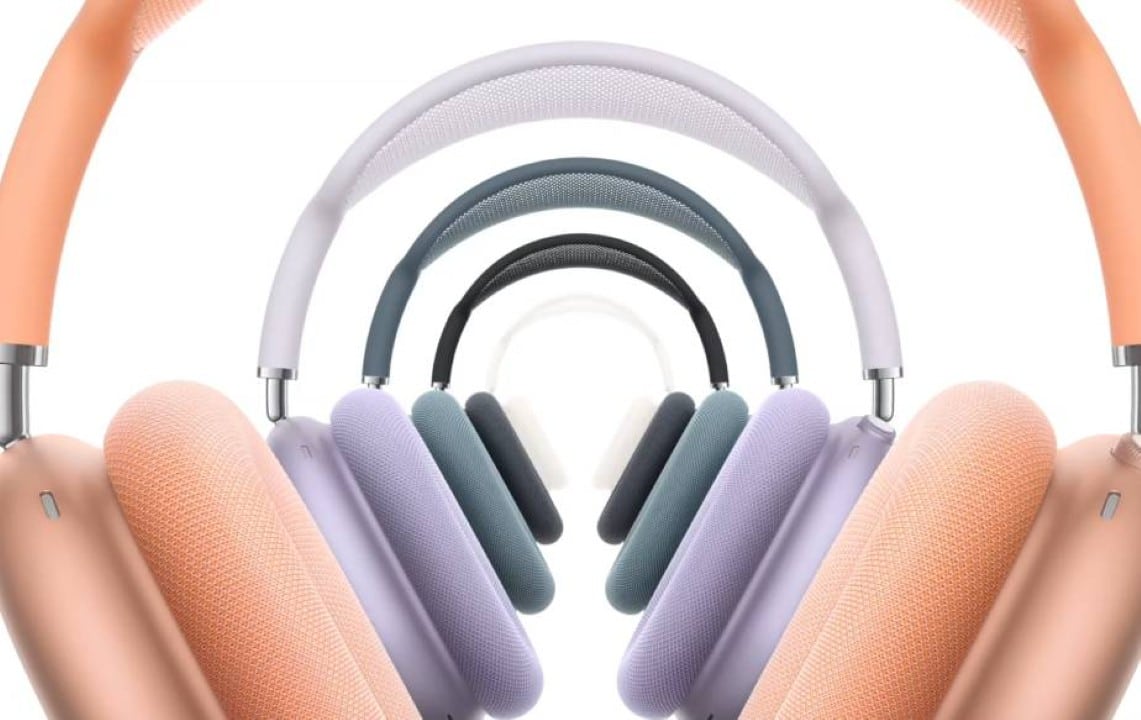
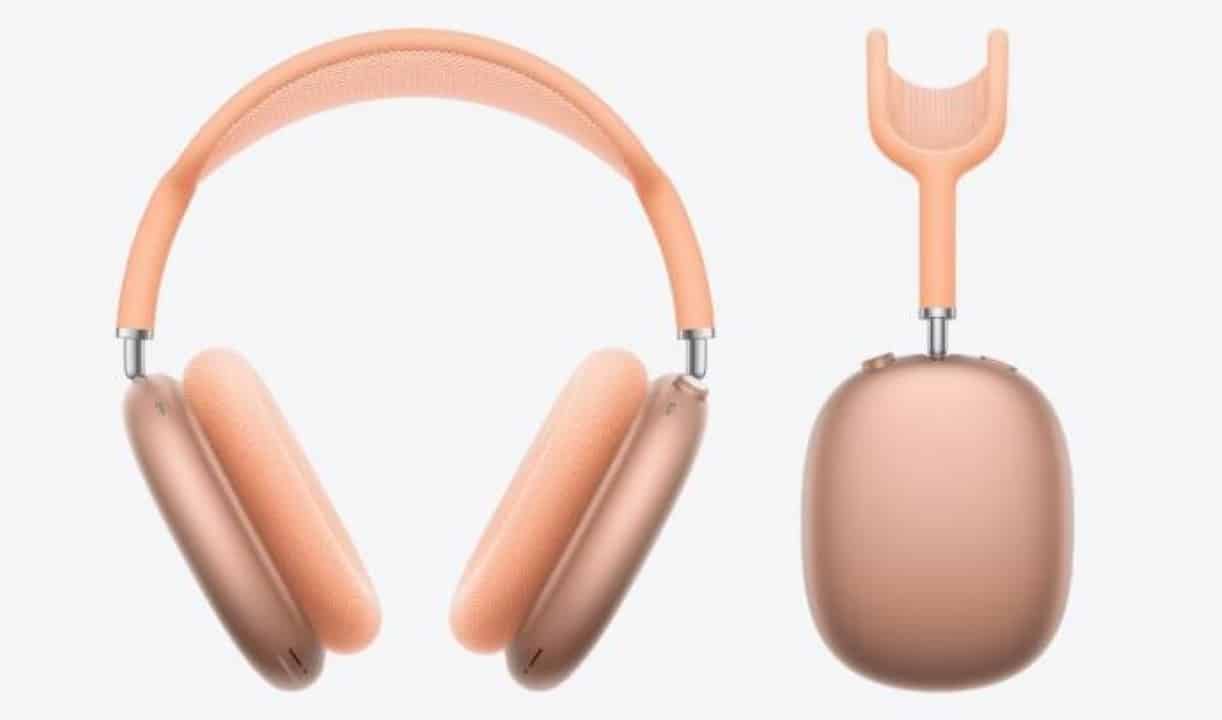
The external design maintains the established visual identity, with the robust structure in anodized aluminum and the upper shaft covered in breathable mesh for weight distribution. However, the introduction of a renewed color palette aims to align the accessory’s aesthetics with the most recent launches in the same manufacturer’s mobile device portfolio, attracting a style-focused audience.
Commercial availability and distribution channels
Sales begin simultaneously in official physical stores and authorized e-commerce platforms around the world. Interested parties can now check local stocks, new color options available and delivery times directly through the brand’s service channels, ensuring access to updated technology.
The model arrives to replace the previous generation launched at the end of 2020, bringing significant improvements in processing and connectivity. The retail expectation is that initial demand will be driven by ecosystem users who were waiting for the transition to the universal charging standard and the implementation of the new audio processor.



