
Camera analysis shows Motorola Signature ahead of iPhone 17 Pro in optical zoom and selfies


The high-performance mobile device market enters a new chapter with the direct clash between the latest launches from technology giants. Especialistas in digital photography subjected the devices to rigorous evaluations in multiple urban and controlled scenarios. The main objective is to map the real capabilities of the photographic sensors embedded in these premium equipment.
The fight for the top ranking of the best photographic set requires detailed analyzes that go beyond simply counting megapixels. Fatores how lens aperture, sensor size and artificial intelligence algorithms play key roles in the final image result. Consumers are increasingly looking for versatility to record everyday moments with professional quality.
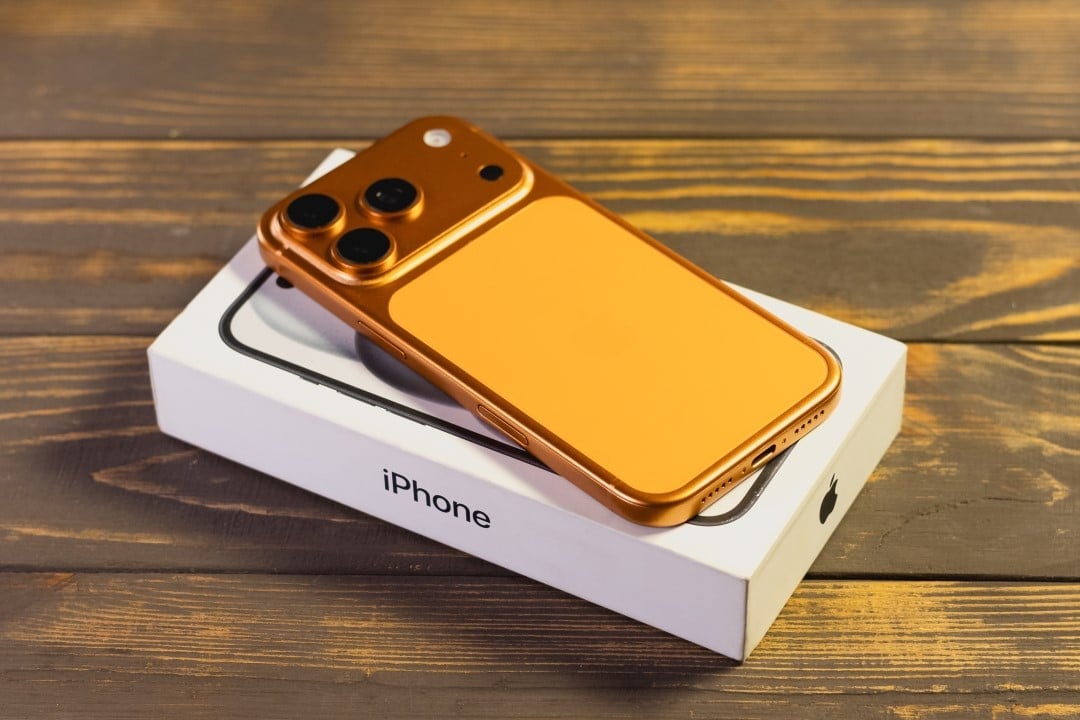
During the practical test batteries, evaluators recorded hundreds of images under different weather and lighting conditions. The methodology applied aims to simulate the real daily use of a demanding user who depends on their smartphone to create content. The extracted data reveals important nuances about how each manufacturer calibrates their respective hardware.
Technical analysis of main sensors and image processing
A smartphone’s main sensor acts as the heart of the photographic system and dictates the base quality of all captures. The Apple device demonstrates highly optimized software engineering to handle high dynamic contrast situations. Information retrieval in shadow areas occurs aggressively and efficiently.
This feature of the iOS system model allows photographs taken against sunlight to keep people’s faces perfectly visible. The algorithm processes multiple exposures in fractions of a second to deliver a balanced final file. Ambientes Indoors with complex artificial lighting also benefit from this advanced computational treatment.
On the other hand, the Motorola equipment focuses on a more purist photographic approach focused on the exact reproduction of reality. The color science adopted by the manufacturer prevents excessive artificial lightening of the recorded scenes. The result delivers photographs with more organic tones and smoother light transitions.
The difference in philosophy between the brands becomes evident when the images are displayed side by side on calibrated monitors. Enquanto One device searches for an image ready for social media with high immediate visual impact, the other provides a file that is more faithful to what the human eye has seen. The choice between the two profiles depends on the photographer’s personal preference.
Capability of shooting in low light scenarios
Night photography poses the biggest challenge for small footprint sensors like those found in modern cell phones. Quando natural light disappears, night mode algorithms take over to extend exposure time and stabilize capture via internal gyroscopes. The apple device has a notable advantage in maintaining the overall sharpness of the scene at night, reducing digital noise without transforming textures into plasticized surfaces. The image signal processor works in conjunction with the main chip’s neural network to identify elements such as dark skies, artificial light sources and human faces. Essa identification allows you to apply specific exposure and white balance corrections to each isolated area of the photograph. The competing device also delivers very high quality nighttime results, using its own processing architecture to brighten poorly lit alleys and streets. Contudo, Motorola equipment tends to preserve shadows in a denser and more natural way. Isso results in a more dramatic and realistic look, but with a slight loss of detail in the darker regions of the urban composition in direct comparison with the rival.
Performance of ultrawide lenses in capturing wide landscapes
Ultra-wide angle lenses have become indispensable for recording architecture, natural landscapes and large groups of people in confined spaces. The Apple model maintains a historic leadership in the field of view offered, allowing a significantly greater number of elements to be framed in the same photograph. Distortion correction at the edges of the image works flawlessly, preventing buildings or faces from being artificially stretched at the edges of the frame.
The Motorola cell phone, although it has a slightly more restricted field of view, compensates for this characteristic with a surprising dynamic range in this specific module. Landscape photographs with very bright skies and dark ground feature an exposure balance that directly rivals the main camera. The color consistency between the standard and ultrawide lenses shows an important maturity in the manufacturer’s processing software.
Efficiency of the periscope zoom system over long distances
Optical approximation without loss of quality defines the versatility of a premium smartphone for sporting events or nature observation. The periscope-shaped lens system integrated into the Motorola device demonstrates unquestionable technical superiority in this regard. Internal optical engineering reflects light sideways, allowing for a much longer focal length without increasing the phone’s thickness.
Practical tests with extreme approximations reveal that the device maintains texture integrity and color accuracy even on distant objects. Placas street view, tree foliage and architectural details remain sharp and defined. Optical image stabilization acts rigorously to prevent tremors in the user’s hands during capture.
The competitor with the iOS system, despite offering a competent zoom for daily use, begins to display digital artifacts when pushed to the limit of its capacity. Colors lose some of their original vibrancy and the edges of objects take on a slightly washed appearance. Enlarging the image on large monitors highlights the loss of useful data in the composition.
Superior front camera quality for detailed self-portraits
The generation of content for digital platforms requires front-facing cameras capable of recording facial details with absolute precision. The Motorola device’s front-facing sensor captures an impressive volume of data, separating individual hairs and mapping the actual texture of the skin. The absence of forced beautification filters guarantees a professional and authentic result.
The Apple device adopts a different strategy for selfies, applying a warmer saturation that tends to immediately please most users. Skin tones gain a tanned and illuminated appearance, even on cloudy days. Contudo, this approach sacrifices some of the microdetails in favor of a more standardized, publication-ready aesthetic.
Applying portrait mode and facial depth mapping
Software-simulated background blur has reached a level of maturity that often baffles even trained eyes. The Apple phone shines brightly when performing portrait mode, utilizing its auxiliary sensors to create a flawless three-dimensional depth map. Cutting around flowing hair or prescription glasses occurs with surgical precision.
The artificial lighting applied to the subject’s face in iOS portrait mode ensures that the person being photographed is the absolute highlight of the scene. Rival equipment also produces excellent photographs with a blurred background, but adopts a more gradual and less dramatic focus transition. Choosing the best portrait mode varies depending on the photographer’s artistic intention at the time of the click.
Advanced video recording and optical stabilization features
Pocket cinematography finds its apex in the ability to record moving images with fluidity and richness of data. The Apple smartphone consolidates its position as a reference in the mobile audiovisual market by offering recording in 4K resolution with an impressive 120 frames per second. The Motorola device responds to this onslaught with the ability to film in colossal 8K resolution, a feature aimed at creators who need extreme margin for cropping in post-production. Ambas Manufacturers deliver robust tools for capturing spatial audio and advanced stabilization during walking or sudden movements.
Differences in color science and visual fidelity of devices
The interpretation of the colors captured by the sensors defines the visual identity of each smartphone manufacturer. Motorola has calibrated its latest algorithms to respect the exact colorimetry of the environment, avoiding excessively blue skies or neon green lawns. Essa chromatic fidelity greatly facilitates the work of professional photographers who prefer to apply their own color adjustments in editing software later.
Apple, in turn, developed a color profile that seeks maximum visual impact without crossing the line into extreme artificiality. The Photographic Styles feature allows the user to customize contrast and color temperature before even pressing the capture button. Essa native flexibility in the camera app perfectly meets the demand of consumers who want spectacular results instantly and without complications.



