

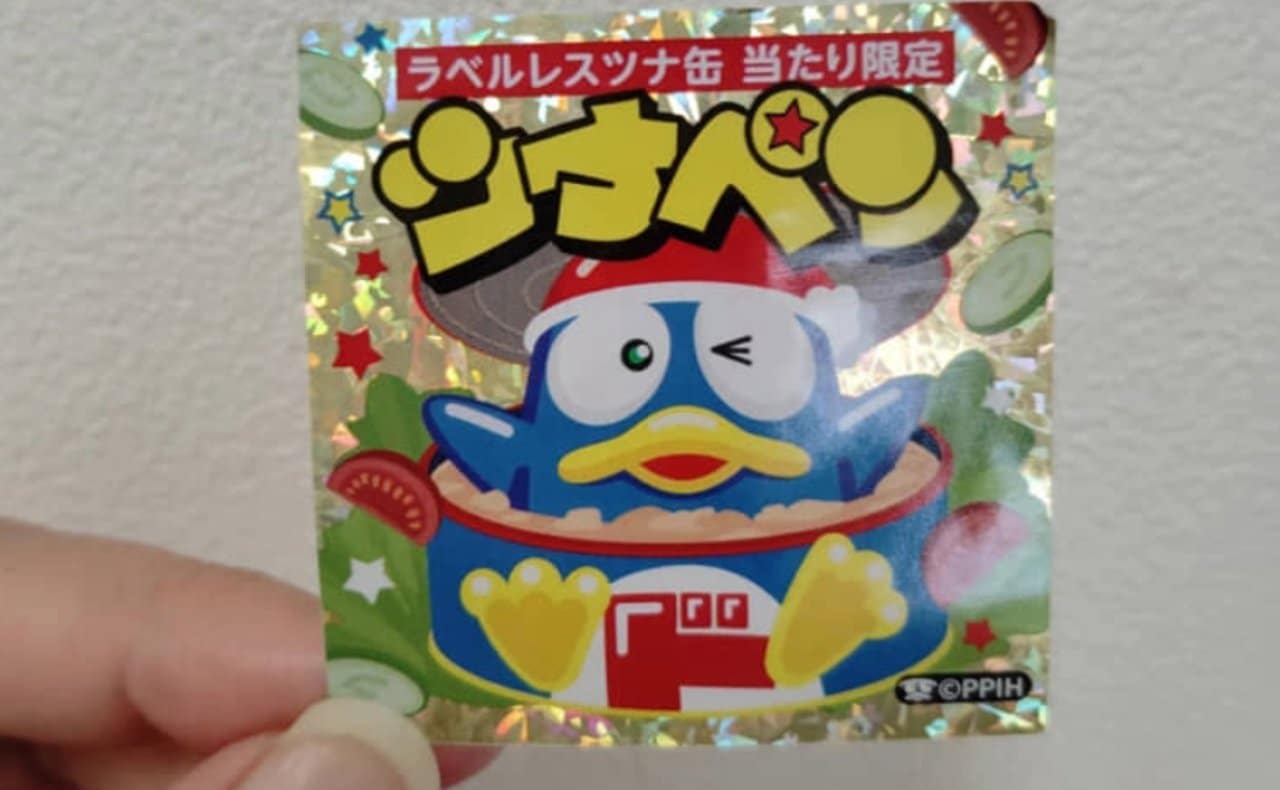
A routine trip to the supermarket to stock the pantry turned into an unexpected lucky event for one shopper. When purchasing an economical package of canned fish, the customer noticed a shiny item hidden among the product units. The discovery was a physical promotional coupon, randomly inserted by the manufacturer, which guaranteed an immediate and voluminous reward.
The item found had the format of an illustrated seal, designed with specific characteristics to attract the consumer’s attention when opening the packaging. The client, upon examining the printed material, realized that the instructions on the back indicated victory in a silent promotional campaign, which had not been widely advertised on the commercial establishment’s shelves.
The retail chain responsible for selling the product is Don Quijote, famous for its vast catalog of goods and for housing items with different sales proposals. The prize guaranteed by the winning seal consisted of the delivery of a package identical to the one purchased, doubling the volume of the original purchase at no additional cost to the consumer.
Sales strategy with economical and sustainable packaging
The product that leads this action is Light Tuna Flakes, sold in bales containing ten cans. Para To optimize production costs and offer a more attractive final value on the shelves, the brand adopted the strategy of removing individual labels from each can. Todas Nutritional information, expiration dates and manufacturer data are concentrated exclusively on the outer cardboard or plastic packaging that groups the units.
This label-free approach meets a growing demand in the retail market for practices that reduce the generation of household solid waste. By eliminating the paper or plastic that would wrap each metal container, the company reduces the environmental impact and makes logistics cheaper. Foi It is precisely within this minimalist package that the award-winning seal was positioned, rewarding the customer’s choice with a purchasing option focused on cost-benefit and everyday practicality.
Sticker Design and Collectibles Culture
The material found by the buyer goes beyond the function of a simple exchange receipt. The stamp features a shiny, holographic design, housing the figure of a character named Tunapen. Esta illustration is a thematic adaptation of Donpen, the penguin that acts as the official mascot and widely recognized symbol of the retail chain in question.
The stamp’s aesthetic makes a direct reference to the Bikkuriman style, a line of collectible stickers that has become a true cultural and commercial phenomenon in the Asian market over the last few decades. The metallized finish gives the item an aspect of rarity, which encourages consumers to keep the object even after using its promotional value.
This design choice turns a basic promotional mechanic into a playful experience. The intersection between purchasing a basic grocery and the thrill of finding a rare collectible creates a memorable interaction. The customer not only receives a financial benefit in the form of a product, but also acquires an object with nostalgic and visual appeal.
Rescue mechanics and rules for product withdrawal
The process for the winner to receive their reward follows strict guidelines printed on the seal itself. The back of the sticker works as the official document of victory and is the only copy accepted by cashiers to validate the delivery of the extra lot. The presentation of this physical proof is mandatory and non-negotiable.
One of the central rules of the campaign determines that redemptions must be made exclusively at the same branch where the original purchase was made. The customer must go to the service counter carrying the back of the seal and a sample can of the product they wish to take home. Essa logistical requirements help the network control inventory and avoid fraud when distributing rewards.
The promotion offers an interesting degree of flexibility for the winner. At the time of exchange, it is possible to choose between the different variations of the tuna line available in the store’s stock. Consumers can choose the version preserved in standard oil, the oil-free alternative or the bonito fish variety, adapting the prize to their culinary preferences.
After checking and validation by the cashier, the customer receives a new, sealed bale of ten cans. A detail that pleases winners is the permission to retain the front part of the sticker, where there is the holographic illustration of Tunapen. Apenas the back film, which contains the barcode and rules, is retained by the establishment as proof of the promotional transaction.
Repercussion on digital platforms and public surprise
The dissemination of the find on social networks generated a significant volume of interactions in a short period. Consumidores regulars of the same bale of canned fish expressed absolute surprise, reporting that they were completely unaware of the existence of the campaign. The lack of overt in-store advertising contributed to the surprise factor of the online reveal.
The digital debate quickly turned to packaging disposal habits. Diversos users admitted that they usually tear and throw away the outer packaging without paying attention to the inside, raising the suspicion that many prizes equivalent to ten cans of food may have ended up in the trash due to pure inattention on the part of buyers.
Organic engagement and brand strengthening in retail
The spontaneous dissemination of the story acts as a highly efficient marketing tool for the retail chain. Quando an average consumer reports a positive and authentic experience involving a basic necessity item, the level of trust and curiosity generated in the public surpasses the reach of traditional advertising campaigns. The absence of official information about the issue of the stamps or the exact probability of finding the prize adds a layer of mystery to the purchase. Essa The dynamic is similar to the search for golden tickets, encouraging customers to return to stores. Compradores start to acquire the burden not only due to the need to stock the pantry, but also motivated by the small chance of being awarded a double portion. Como A direct result of this mechanic, the company is able to establish its brand in the public’s routine, associating a narrow-margin product with a moment of unforeseen material gratification that is highly valued in the current economic scenario.
Attention to detail during routine purchases
The case highlights how discreetly inserted promotional tactics can change the behavior of checking products at home. From the repercussion, there is a movement of consumers meticulously inspecting economical packages before discarding, proving that innovation in retail can engage the public even in the most traditional categories of non-perishable foods.



