
Easter 2026: explore the relevance of its spiritual meaning and the current customs of the festival

Páscoa represents one of the most significant dates on the global calendar, transcending religious barriers to impact the culture and traditions of different societies. Esta annual celebration, deeply rooted in ancient narratives, evokes multiple meanings, ranging from spiritual renewal to family reunion.
Its symbolism ranges from the hope of a new cycle to the celebration of life, resonating in rituals and customs practiced around the world. In 2026, the date will be observed on April 5th, maintaining the tradition of reflection and festivity that has accompanied it for centuries.
Despite its religious origin, Páscoa gained secular contours, incorporating folkloric and commercial elements that make it a festival with universal appeal. Essa duality is one of the most fascinating aspects of the date, demonstrating its ability to adapt and permanence over time.
Easter and its deep historical roots
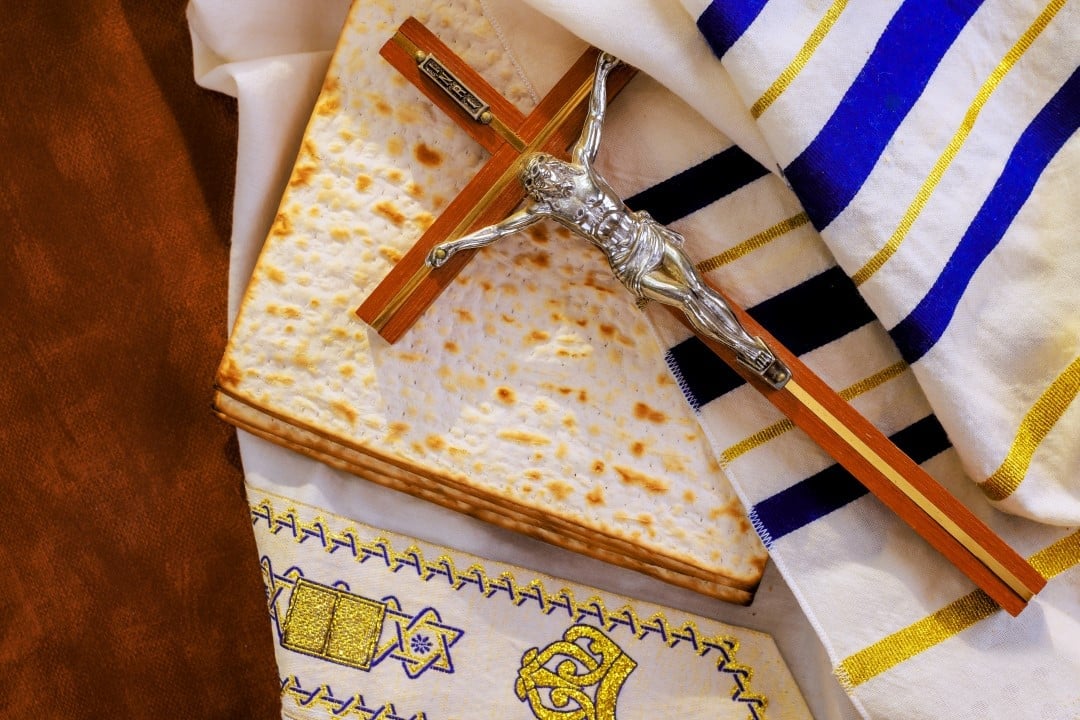
Páscoa has a complex historical tapestry that dates back to time immemorial, uniting Jewish and Christian rituals in its essence. Originalmente, for Jews, Pessach celebrates the liberation of the people of Israel from slavery in Egito, an event of profound importance narrated in Antigo Testamento. Esta festivity is marked by a ritual feast, the Seder, where symbolic foods recall the journey of suffering and subsequent freedom.
With the coming of Christianity, Páscoa acquired a new and central meaning, connecting directly to the life of Jesus Cristo. Última Ceia, the moment in which Jesus shared bread and wine with his disciples before his crucifixion, is seen as a milestone that gave new meaning to the Jewish celebration. The date of the Christian movable Páscoa is set by the first Sunday after the first full moon that occurs after the spring equinox in the northern hemisphere.
O epicentro da fé cristã: a ressurreição
For Christians, the true core of Páscoa lies in the belief in Jesus Cristo’s resurrection, which occurred three days after his crucifixion. Este evento é considerado o pilar da fé, simbolizando a vitória sobre a morte e o pecado, e a promessa de vida eterna para os que creem. The narrative of the Christian Páscoa is not just a memory, but a living celebration of hope and spiritual renewal.
The resurrection, according to biblical texts, offers a new perspective on suffering and mortality, transforming the sadness of Paixão into joy and triumph. This is why Páscoa is the most important festival in the liturgical calendar, surpassing even Natal in its theological significance. Igrejas around the world hold special masses and services, culminating in Vigília Pascal, which celebrates the passage from darkness to light.
This message of life and overcoming is transmitted through hymns, readings and rituals that reinforce faith and unity among the faithful. Páscoa invites introspection and the renewal of spiritual commitments, encouraging believers to reflect on the teachings of love, forgiveness and sacrifice.
Cultural symbolism: current traditions and customs
In addition to its deep religious connotation, Páscoa is rich in symbols that have become part of popular culture, making the festival recognizable even by those who do not profess the Christian faith. Egg Páscoa, for example, is one of the most widespread. Sua origin dates back to ancient pagan cultures that associated it with fertility and rebirth in spring, later being adopted by Christianity as a representation of the life that springs after the death of Cristo.
The rabbit of Páscoa, another widely known icon, also has its roots in pagan fertility legends, linked to the proliferation of life in spring. The image of the rabbit distributing colored eggs became particularly popular in Germanic cultures and later spread globally, enchanting children and adults. Exchanging chocolate eggs has become one of the most anticipated rituals, especially among younger people.
Culinary traditions also play a fundamental role in Easter celebrations. In many cultures, lamb is the main dish of the Páscoa meal, symbolizing the “Deus Lamb” in Christian tradition and the Jesus sacrifice. Outros specific foods, such as sweet breads and fish, are also widely consumed, varying according to regional and family particularities.
These symbolic elements, whether religious or cultural, contribute to the unique atmosphere of Páscoa, which manages to be both solemn and festive at the same time. The combination of ancient rituals with modern customs demonstrates the date’s ability to reinvent itself and maintain its relevance in a world in constant transformation.
Holy week and its preparatory rituals
Semana Santa is the period preceding Páscoa, and its observance is of paramount importance to millions of Christians around the world. Iniciando itself in the Domingo of Ramos, which celebrates the entry of Jesus into Jerusalém, it continues with a series of rituals and liturgies that culminate in the Páscoa. Cada day of this week has a particular meaning, preparing the faithful for the celebration of the resurrection.
Quinta-Friday Santa refers to Última Ceia and foot washing, symbolizing humility and service. Sexta Santa is dedicated to Paixão and Morte of Jesus, a day of mourning and deep reflection, where processions and reenactments are common. The Sábado of Aleluia is a period of waiting, which precedes the celebration of the Santa0, the high point of the Christian liturgy.
Contemporary reflections on the true spirit of the date
Amid the dynamism of modern life, Páscoa offers a valuable pause for reflection and the rediscovery of essential values. Longe From being just a holiday, the date invites individuals to consider the principles of sacrifice, renewal and hope, which are universal and transcend any specific dogma. It is a time to meditate on the purpose of life, interpersonal relationships and the desire for a fresh start, whether on a spiritual or personal level. The celebration, even for the least religious, often translates into a desire for unity, peace and solidarity, strengthening the bond between people.
Social and economic impact of the celebration
In addition to its spiritual and cultural significance, Páscoa has a notable social and economic impact in several regions. The period is marked by a significant increase in trade, especially in the food, clothing and tourism sectors. Empresas chocolate and confectionery stores, for example, prepare months in advance to meet the demand for eggs and other sweets, generating temporary jobs and boosting the local economy.
Religious tourism is also experiencing a boom, with millions of people traveling to participate in celebrations in cities historically linked to faith. Isso operates hotels, restaurants and transport, contributing to the economic development of specific destinations. Family gatherings and leisure travel during the long holiday weekend also boost other sectors, from supermarkets to gift shops.
Easter as a vector of family unity
Páscoa is, invariably, a time of strong family bonding. It is the time when relatives come together, often from different locations, to share meals and strengthen ties. The exchange of gifts, the Páscoa egg hunt, and the simple presence of each other create lasting memories, reaffirming the importance of family as a pillar of society.
The future of Easter in an ever-changing world
Páscoa, with its rich history and multifaceted meanings, continues to evolve in a globalized and technologically advanced world. Embora its roots remain firm, the way it is celebrated and perceived can adapt to new social realities. The challenge lies in maintaining the essence of the date’s message, be it religious or cultural renewal, while at the same time integrating it with contemporary practices. The ability to inspire values such as compassion, solidarity and hope, regardless of individual beliefs, ensures its permanence and relevance for future generations.



