
Health body collects three million eye drops from pharmacy chains due to risk of infection

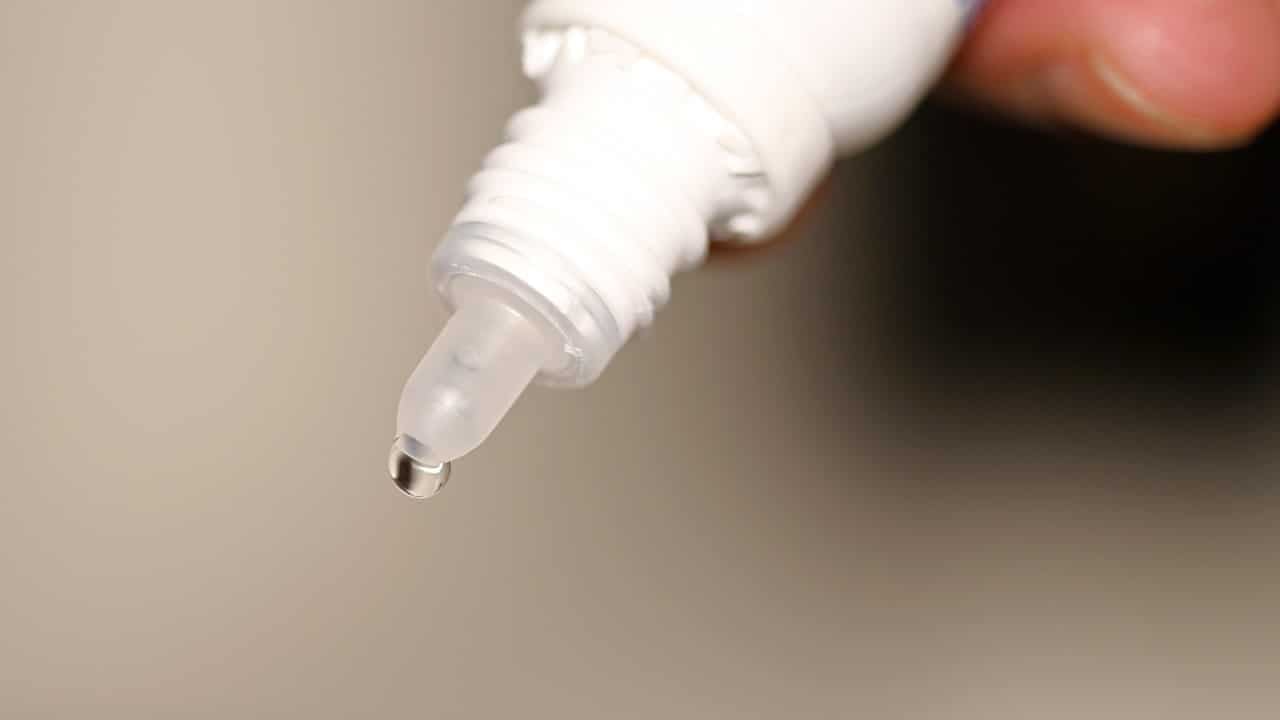
The drug regulatory agency dos Estados Unidos has issued an immediate market recall order for more than three million bottles of eye drops due to serious sterility flaws found in manufacturing facilities. The measure affects products distributed in large retail chains and pharmacies across the country, raising alerts about the safety of consumers who use these solutions daily. Inspetores identified inadequate sanitary conditions and the presence of bacteria in the production areas of the responsible factory, located at Índia, which motivated strict regulatory action. Affected batches have expiration dates that extend into the year 2026, requiring prolonged attention from users to prevent accidental use of compromised items.
Manufacturing context and brands affected in retail chains
The investigation conducted by health authorities focused on the operations of Kilitch Healthcare India Limited, a manufacturer headquartered in Navi Mumbai, in the state of Maharashtra. Durante routine inspections, government agents found that the company was unable to guarantee the absence of microorganisms in its ophthalmic products, a fundamental requirement for any substance applied directly to the eyes. Lack of hygiene protocols resulted in the potential contamination of a wide range of items, from artificial tears to redness relief formulas.
The impact of this discovery directly affects the end consumer, as the manufacturer acts as an outsourced supplier for several private brands owned by large retail corporations. Large-scale distribution means that compromised products quickly reach the shelves of establishments widely frequented by the population. Health authorities advise that customers immediately check their medicine cabinets and personal supplies to identify possible bottles belonging to the problem batches.
Consumers should be aware of the following details to identify recalled products and ensure home safety:
- Instant verification of private brands sold at chains such as Walgreens, CVS, Kroger, Rite Aid, H-E-B and Meijer.
- Identification of batch codes printed on packaging that begin with the letters AC, AR, LT, SU, RG, RL, SY or AT.
- Immediate interruption of the use of any eye drops that meet the descriptions in the official alert.
- Return bottles to the original points of sale for proper disposal and possible refund, regardless of whether they are opened or sealed.
Risk classification and medical consequences
The regulatory body categorized this action as a recall of Classe II, a technical designation that indicates a significant likelihood of adverse health consequences. Esta classification is applied when use of or exposure to a violative product may cause temporary or reversible medical problems, but where the risk of serious effects cannot be completely ruled out by public health experts.
Applying non-sterile solutions directly to the ocular mucosa poses a direct danger, as the eyes lack the same robust immune defenses found elsewhere in the body. The introduction of bacteria through contaminated drops can trigger severe infections, which in extreme cases progress to corneal ulcers, partial loss of vision or even permanent damage to the eyeball.
Volumes collected and impact on supply
The official documents reveal the magnitude of the operation, detailing that more than one million units of the line of lubricating drops alone to relieve dry eyes are on the return list. Outras categories, such as advanced relief solutions and multi-use formulas, add up to hundreds of thousands of additional bottles that need to be removed from circulation immediately.
Collection logistics involves direct communication with distribution centers and store managers throughout the country. Retail chains have already started physically removing items from shelves and blocking barcodes at cash registers, preventing new sales from occurring accidentally while the return process to central warehouses is carried out by logistics teams.
Security procedures for users
Ophthalmology experts recommend that patients who have recently used the listed products strictly monitor the health of their eyes. The appearance of symptoms such as persistent redness, sharp pain, sensitivity to light, abnormal discharge or sudden changes in the quality of vision requires immediate medical evaluation in an emergency care unit.
Early treatment of eye infections is essential to prevent structural damage to the sensitive tissues of the eye. Doctors recommend that patients clearly inform healthcare professionals about the previous use of the collected drops, facilitating the correct diagnosis and the choice of the most appropriate antibiotic regimen to combat the specific bacteria involved in the contamination.
Government guidance is clear that suspicious bottles should not be disposed of in general waste or domestic sewage. The return to commercial establishments ensures that chemical and biological products are processed by companies specialized in medical waste disposal, avoiding secondary environmental contamination in landfills.
History of inspections and failures in the production chain
The discovery of irregularities at the Indian factory raises questions about ongoing oversight of the global pharmaceutical supply chain. Reliance on overseas manufacturing facilities for the production of over-the-counter medicines requires extremely rigorous international auditing protocols by national regulatory agencies.
Preliminary inspection reports indicate that employees at the production unit did not follow proper attire guidelines, allowing the introduction of contaminants into areas classified as clean. Além In addition, the air filtration and water purification systems used in the formulation of the medicines showed maintenance failures documented by inspectors.
The manufacturing company stated that it is collaborating with international authorities to identify the root cause of the contaminations and implement immediate corrective actions. The affected production lines were temporarily stopped until further tests prove the effectiveness of the sterilization processes and the safety of the factory work environment.
Retail corporations that have outsourced production are also reviewing their contracts and quality assurance procedures. Shared responsibility in the distribution chain obliges these companies to carry out additional independent audits before approving the marketing of health products under their own brands on the shelves.
Regulatory guidance and ongoing monitoring
The health surveillance system maintains a database updated in real time to track the effectiveness of the recall and record any reports of adverse events associated with the products. Médicos, pharmacists and consumers are encouraged to fill out official forms detailing medical complications that may be linked to the use of the contaminated eye drops. Esse Information flow is vital for epidemiologists to map the extent of damage to public health and adjust containment strategies quickly and based on scientific evidence.
The regulatory agency has also issued import alerts to prevent new shipments from the problematic facility from entering the country. Customs agents were instructed to retain any shipment of ophthalmic products from the Indian manufacturer at ports of entry, ensuring that the physical blockade complements recall actions in the domestic market. Essa commercial barrier will remain in force until the company proves, through new in-person inspections, that all sanitary deficiencies have been definitively resolved and international pharmaceutical manufacturing standards reestablished.
Safe alternatives in the pharmaceutical market
Faced with temporary shortages caused by the removal of millions of units from shelves, healthcare professionals are advising patients to seek safe alternatives produced by manufacturers who have a proven track record of complying with good manufacturing practices. The pharmaceutical market offers a wide variety of artificial tears and lubricating eye drops in single-dose formats, which do not require the use of preservatives and significantly reduce the risk of cross-contamination during daily application. Ophthalmologists emphasize the importance of reading labels carefully and avoiding purchasing medicines on unverified e-commerce sites, where counterfeit products or products belonging to recalled batches may continue to be sold illegally beyond the control of authorities. The transition to new brands must be accompanied by basic hygiene care, such as washing your hands thoroughly with soap and water before touching the eye area and ensuring that the dripper tip never comes into direct contact with the cornea, eyelashes or any other surface, preserving the sterility of the liquid remaining in the bottle until the end of its useful life stipulated by the manufacturer.
Preventive actions for the healthcare sector
Medical associations are distributing newsletters to clinics and hospitals, ensuring all frontline workers are aware of the affected batch codes. The rapid dissemination of this technical information allows ophthalmologists to carry out efficient screening of patients who arrive at emergency rooms with complaints of severe eye irritation, accelerating diagnosis and mitigating the risks of visual complications in the population exposed to the recalled products.



