
Manufacturers update premium smartphone photo sensors with focus on zoom and artificial intelligence

The mobile device market presents a new generation of devices aimed at capturing high-resolution images, requiring consumers to perform technical analysis that goes beyond simply counting megapixels. The final quality of visual records directly depends on the integration between the size of the capture component, the opening of the lens diaphragm and the optical stabilization systems. Computational processing plays a central role in optimizing colors and reducing noise in low-light environments. Global manufacturers invest in versatile optical sets to attract audiences looking for results similar to those from dedicated equipment.
The presence of multiple lenses on the back of devices has become a standard in the higher category. The systems combine wide-angle, ultra-wide and telephoto options to ensure flexibility in different framing scenarios, allowing the user to switch between wide angles and harsh close-ups without changing equipment.

- Multispectral sensors for accurate mapping of colors and skin tones.
- Advanced algorithms for real-time image processing.
- Ability to record at extreme resolutions with active stabilization.
Independent photographic performance evaluations measure the consistency of these sets in varying light and distance conditions, establishing a clear picture of the capabilities of each model available at retail. The engineering behind mobile cameras focuses on delivering raw files with greater latitude for professional editing.
Optical performance and advanced processing at Huawei Pura 80 Ultra
The Asian manufacturer’s device leads the technical measurements due to the implementation of a rear assembly structured around a 50 MP main sensor with an inch in physical dimension. The photographic architecture integrates a dual telephoto system that enables 3.7x and 9.4x optical approximation, maintaining the integrity of details without the need for aggressive digital cropping. Essa configuration guarantees versatility for recordings ranging from wide landscapes to elements positioned at long distances from the photographer.

The device’s software engineering incorporates the Ultra Lightning HDR lens and a multispectral component capable of processing 1.5 million color channels, increasing the dynamic range of photographs. The practical result of this combination is reflected in the maintenance of sharpness and the natural reproduction of tones even in night scenes or poorly lit indoor environments. Video capture reaches 4K resolution at 60 frames per second with mechanical stability, while the 13 MP front camera offers an expanded viewing angle for self-portraits.
Three-lens architecture and simultaneous capture in the Apple ecosystem
The iPhone 17 Pro adopts a rear configuration made up of three 48 MP sensors, managed by the Fusion system, which expands the framing possibilities. The dedicated telephoto lens delivers an optical approximation of up to 8x, preserving the structural quality of the photographic image.
The front capture hardware has evolved to 18 MP, providing greater definition in video calls and personal recordings. The integration of the LiDAR sensor and Smart HDR 5 technology ensures accurate autofocus and exposure calibration in fractions of a second.
The device allows simultaneous recording using the rear and front cameras, in addition to supporting recordings in Dolby 4K HDR at 120 frames per second. The set demonstrates operational consistency, despite presenting technical restrictions when combining night mode with the depth of field effect.
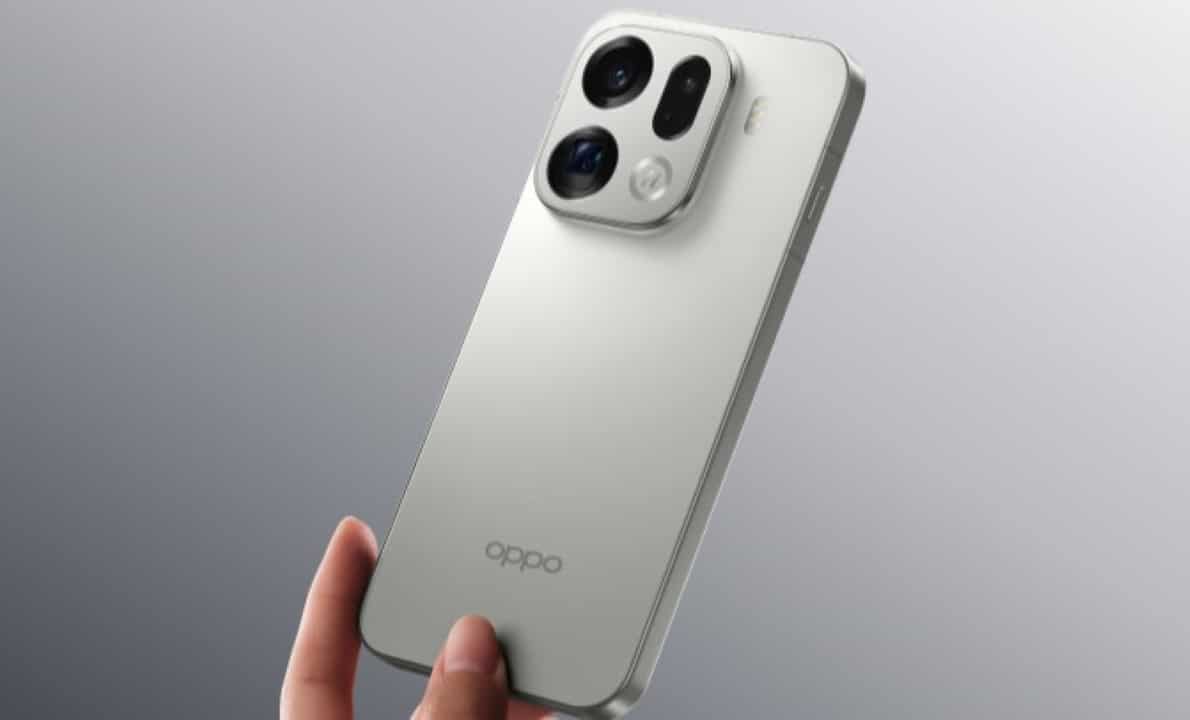
Integration of high-resolution sensors in the Oppo Find X9 Pro
The Oppo model structures its photographic module with a 50 MP main lens and an ultrawide option with the same resolution. The set’s difference lies in the rear telephoto lens equipped with a 200 MP sensor.
The manufacturer implemented an aerospace-grade filter that works in conjunction with proprietary algorithms to increase light capture by up to 140%. The BT.2020 color spectrum ensures the chromatic fidelity of the recorded images.

The approximation system starts with a 3x optical zoom and achieves a magnification of 120x through artificial intelligence interpolation. Essa tool makes it easy to record details at sporting events or musical performances.
Moving image capture reaches the 4K Dolby Vision standard at 120 frames per second. The device uses a double stabilization mechanism to neutralize tremors during manual recordings.




Mechanical engineering and simulation of dedicated equipment on Xiaomi 17 Ultra
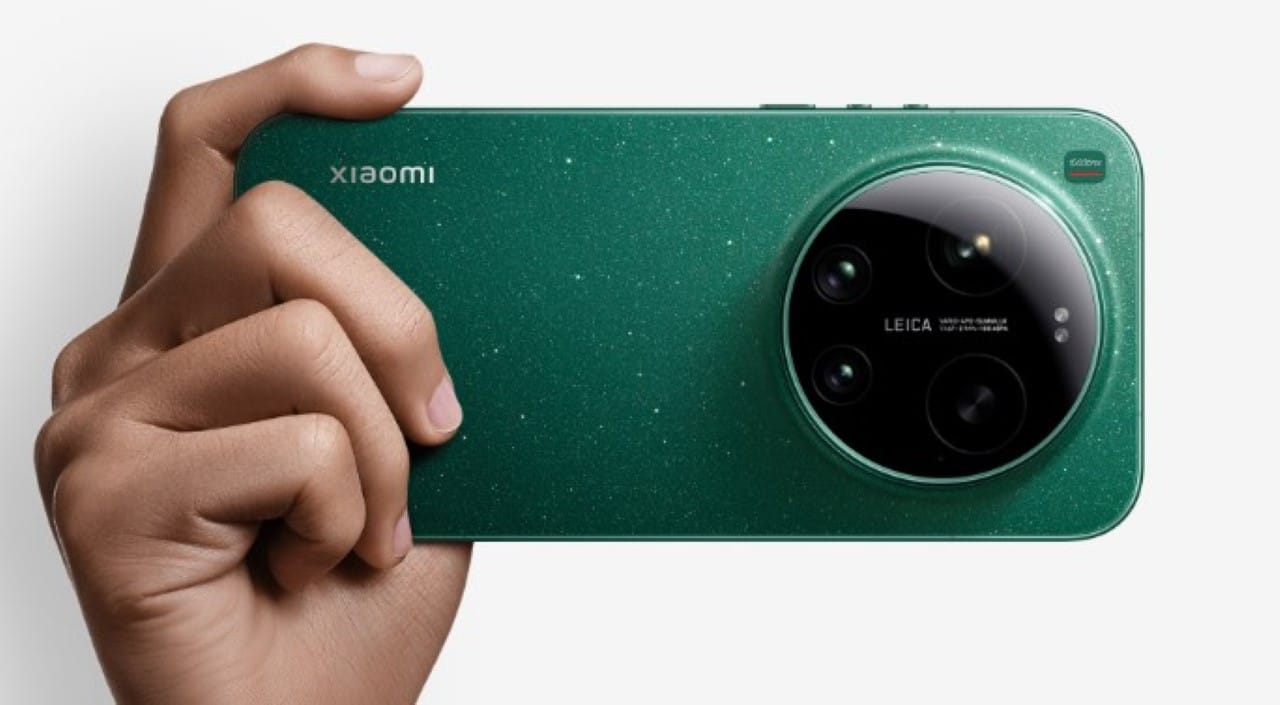
The design of the device directly refers to the aesthetics of traditional cameras, housing a set of sensors that includes 50 MP wide-angle and ultrawide options, as well as a 200 MP telephoto lens. The internal architecture uses the Light Fusion 1050L sensor to optimize night capture and LOFIC HDR technology to manage high-light areas in the scene. The mechanical optical zoom mechanism allows a real 17.2x zoom, eliminating the dependence on software cropping that degrades the image. The optical construction incorporates high-precision glass elements designed to mitigate unwanted reflections and light distortions. Video recording supports extreme resolutions, reaching 8K at 30 frames per second or 4K Dolby Vision at 120 frames per second, consolidating the device as a robust tool for mobile audiovisual production.
Multiple cameras and real-time processing on premium devices
The Motorola Signature features a module with four 50 MP lenses, using components manufactured by Sony, and a periscopic telephoto lens that offers 3x optical zoom and up to 100x digital magnification. The device supports 8K Dolby Vision recording and dual-format video capture.

The Galaxy S26 Ultra operates with a 200 MP primary sensor, accompanied by a 50 MP ultrawide lens and two telephoto options. The Engine ProVisual processing engine applies neural network-based corrections instantly, while the Space Zoom system achieves 100x zoom with gyro stabilization and horizontal lock.
Maintaining quality standards in previous generations
The iPhone 16 Pro combines 48MP wide-angle and ultrawide sensors with a 12MP telephoto lens, using the Photonic Engine for color calibration and noise reduction. The iPhone 15 Pro follows a similar structure, only changing the resolution of the ultrawide lens to 12 MP.
Both devices retain the ability to record in 4K Dolby Vision at 120 frames per second. The stability of the operating system and the predictability of photographic results guarantee the technical relevance of these models in the mobile device market.
Complementary options focusing on neural networks
The Galaxy S25 Ultra and Xiaomi 15T Pro offer robust alternatives, with the former retaining the 200 MP sensor and advanced editing tools, and the latter incorporating a wide-aperture Leica lens and 5x optical zoom, supporting recording in 8K.
Performance of intermediate models in the registration routine
The evolution of photographic components has also reached the category of intermediate devices, which currently deliver satisfactory results in favorable lighting conditions. Dispositivos equipped with 50 MP sensors or higher resolutions can capture adequate levels of detail for sharing on digital platforms. The implementation of night modes based on multiple exposures significantly improved the recording of urban scenes after sunset.
The technical limitations of this category become evident in situations that require complex processing, such as using extreme zoom or recording fast-moving videos. The absence of dedicated telephoto lenses forces the system to digitally crop the image from the main sensor, which results in a loss of geometric definition and an increase in noticeable chromatic noise at the edges of the photographs.
The presence of high dynamic range technologies acts as an important differentiator when choosing more affordable devices, balancing areas of shadow and intense light in the same photograph. The purchasing decision is based on identifying daily use needs, prioritizing specific features such as optical stabilization for videos or lens opening for indoor capture. The market offers varied options that range from casual registration to the production of structured digital content.
Veja Tambem em News (EN)

Research reveals that parents are unaware of how their children use artificial intelligence

Samsung releases new system update with new features for Galaxy Watch 4 users

Digital retail reduces the value of the Galaxy S25 5G smartphone with bank bonuses and device exchange

Amazon’s wireless CarPlay adapter has a 50% discount and high approval ratings from drivers

Zach Cregger’s new Resident Evil ignores games and focuses on an unprecedented story with new characters

Rumor suggests that Nintendo is preparing a special edition of the Switch 2 with a remake of Ocarina of Time

Apple accelerates production of the iPhone 17e and develops new Air model with dual camera system

Epic Games platform releases twelve high-budget games at no permanent cost for PC users

PlayStation 5 Pro price drop accelerates digital retail sales and eliminates global stocks

New Galaxy Watch 9 firmware appears on server and confirms progress in software development

Apple’s commemorative project tests cell phone with 1.1 millimeter edge and curved screen for 2027
