
New Toyota Yaris Cross hybrid with all-wheel drive dominates European market for less than 30 thousand euros


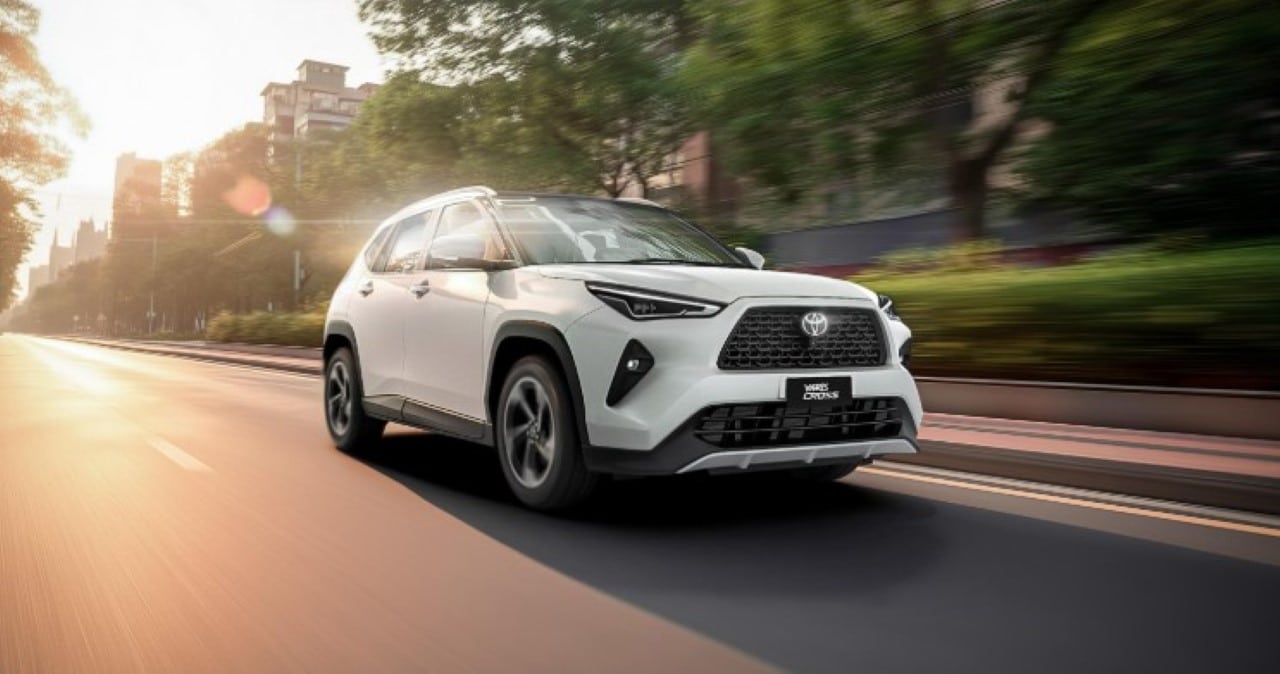
The Japanese automaker consolidates its presence in the compact sports utility vehicle segment on the European continent with a proposal focused on efficiency and cost-benefit. The recently launched model combines an electrified engine and four-wheel drive system for an initial price that attracts consumers looking for daily savings and urban versatility. The commercial strategy positions the vehicle below a critical price range, displacing direct competitors that charge higher prices for similar, less efficient technologies.
The sports utility vehicle has an average consumption recorded at around 4.5 liters for every 100 kilometers driven. Essa brand represents a significant competitive advantage in regions where the price of fossil fuels and strict emissions standards dictate consumption trends. Obtaining the ECO environmental seal guarantees owners tax exemptions and unrestricted access to central areas of large cities that limit the circulation of highly polluting cars.
Competitive values and commercial positioning
The European automotive market is seeing an increase in the prices of commercial vehicles, especially in versions equipped with electrification technologies. Diversos Direct competitors easily surpass the 30,000 euro barrier, even in their entry-level configurations that only offer front-wheel drive.
The Asian manufacturer adopts an aggressive tactic by making the variant with intelligent all-wheel drive available starting at approximately 26 thousand euros, subject to specific financing plans. Esse value changes the dynamics of the segment and puts pressure on other brands to review their price lists so as not to lose space in dealerships.
Rival models from French and South Korean manufacturers deliver higher consumption averages, varying between 5 and 5.2 liters per 100 kilometers on mixed routes. The difference in efficiency, added to the lower acquisition cost, directs buyers’ preference towards the Japanese option when closing a deal.
Mechanical architecture and operation of the electrified system
The powertrain integrates a combustion engine powered by gasoline and one or two electric motors, a configuration that varies depending on the version chosen by the customer. The combined power delivered by the system ranges between 116 and 130 horsepower, prioritizing immediate torque and agility during urban acceleration.
The vehicle’s electronic management favors the use of purely electric mode at low speeds and in heavy traffic situations. The driver experiences a silent, vibration-free drive, features that increase the level of comfort in the cabin during daily commutes in cities.
Dynamics of intelligent all-wheel drive on European roads
The system called AWD-i adds an independent electric motor to the car’s rear axle. Esse component acts autonomously, activating instantly when it detects loss of grip on slippery surfaces, snow-covered roads or dirt sections.
In normal dry asphalt conditions, the utility vehicle operates exclusively with front-wheel drive to maximize energy savings. Testes Practical driving tests prove that the presence of extra equipment on the rear axle does not compromise the consumption averages established by the manufacturer.
Technical attributes and energy recovery
The engineering applied to the vehicle’s suspension seeks an exact balance between impact absorption and the firmness necessary for curves at high speeds. The specific tuning meets the requirements of European highways, known for their varied pavement and high speed limits in some countries.
The regenerative braking system acts as a generator of kinetic energy during everyday deceleration and braking. The force that would otherwise be wasted as heat in the brake discs is converted into electricity and stored directly in the high-voltage battery located under the seats.
This regeneration mechanism significantly extends the autonomy of electric mode without the need for cables or external charging stations. The independence of charging infrastructure attracts drivers who live in apartments or locations without easy access to dedicated outlets in garages.
The transition between the operation of the combustion engine and the electric drives occurs imperceptibly for the occupants. The central control module manages the energy flow in real time, ensuring maximum thermal and electrical efficiency for every kilometer traveled on the roads.
Internal space and practicality solutions
The utility vehicle’s compact external dimensions make it easier to maneuver in tight parking lots and narrow streets, common scenarios in historic cities on the European continent. Apesar small size on the outside, the engineering design optimized the use of internal space to comfortably accommodate four adults, with ergonomic seats that reduce fatigue on long journeys. The high height in relation to the ground provides a dominant driving position, improving the driver’s peripheral visibility and facilitating the entry and exit process for passengers on a daily basis.
The luggage compartment offers a volumetric capacity of 397 liters, a volume considered adequate for the demands of a small family or for transporting weekly purchases. The materials used to finish the cabin prioritize durability and ease of cleaning, resisting the natural wear and tear of continuous use. The instrument panel houses an intuitive multimedia center, which houses satellite navigation and entertainment controls, designed to avoid excessive distractions and keep the driver focused on the road throughout the journey.
Extended warranty and mechanical reliability
The automaker’s dealership network at Europa establishes an after-sales program focused on customer loyalty through comprehensive coverage and predictable maintenance costs. The reliability history of the brand’s hybrid systems informs the purchasing decision of consumers who plan to keep the vehicle for long periods. Periodic inspections are scheduled at spaced intervals, reducing workshop visits and total cost of ownership over the years. The manufacturer offers an extended warranty that can reach up to 15 years or 250,000 kilometers driven, as long as the owner carries out all preventive inspections through an authorized network. The value of original spare parts remains at competitive levels when compared to the costs charged by other brands operating in the same market segment. Dados Recent reports on vehicle depreciation indicate that well-preserved examples of this model have excellent value retention in the pre-owned market, facilitating future exchange negotiations.
Environmental restrictions and urban mobility
Obtaining the low-emission environmental seal becomes a vital passport for circulation in metropolises such as Paris, Madri and Londres. Local legislation imposes severe urban tolls and traffic bans on vehicles powered exclusively by diesel or old gasoline, consolidating non-pluggable electrified motorization as the most viable and immediate solution for daily mobility.
Driving assistance and safety technologies
The active security package integrated into the vehicle includes high-precision sensors and continuous perimeter monitoring cameras. The pre-collision system detects pedestrians and cyclists even in low light conditions, automatically applying the brakes if the driver does not react in time to avoid an accident.
Lane Keep Assist and Adaptive Cruise Control work together to reduce driver stress on congested highways. Esses standard technological features raise the segment’s protection standard and contribute to the maximum marks obtained by the model in rigorous independent crash tests carried out by European institutes.



