
New Vivo X300 Ultra smartphone debuts with dual 200 MP lenses and 4K video recording

The technology manufacturer has officially introduced its latest high-performance mobile device to the Asian market. The equipment aims to redefine image and video capture standards on cell phones, integrating state-of-the-art hardware components. The main focus of the project lies in the delivery of tools that meet the demands of professional audiovisual productivity.
Developed to compete in the premium segment, the model incorporates an advanced optical system that results from strategic collaborations with traditional brands in the photographic sector. Product engineering prioritized image stabilization and the ability to process heavy files in real time. Essa technical approach aims to attract consumers who use the telephone as their main instrument for creative work.
The announcement took place at the end of March, establishing a new technical level for the company’s smartphone line. The specifications revealed demonstrate a quantitative leap in sensor resolution and energy autonomy, essential characteristics to support the new recording features in very high definition.
Optical system architecture and high-resolution sensors
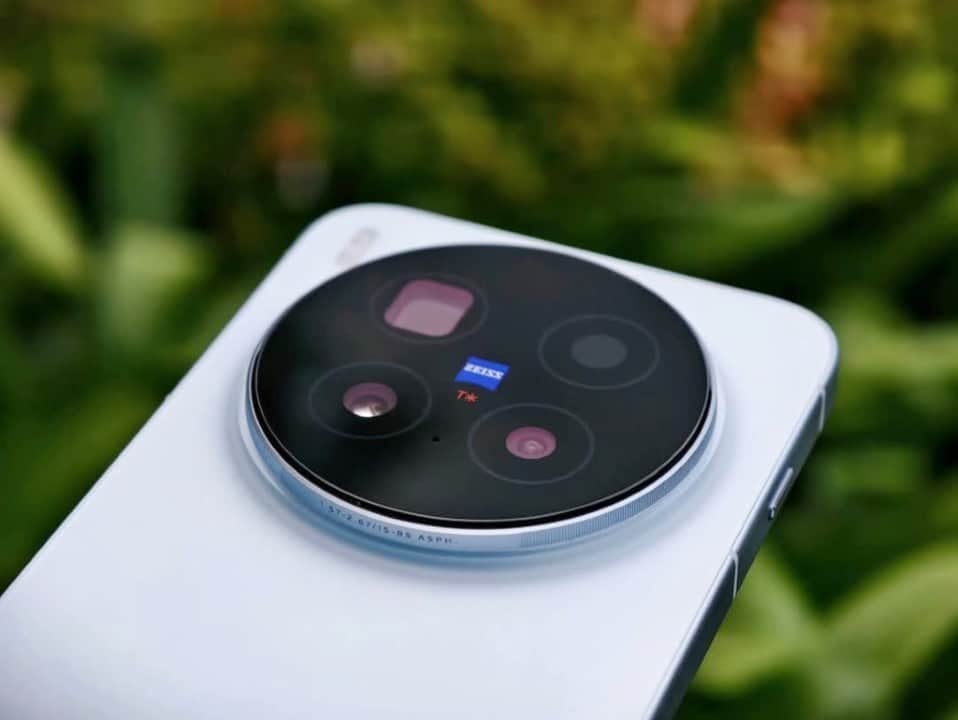
The rear photographic set stands out for the presence of two independent units with a resolution of 200 megapixels each. The main sensor, identified as Sony LYT-901, has physical dimensions that favor light capture in environments with unfavorable lighting. Essa feature significantly reduces the presence of digital noise in night photographs.
The second 200-megapixel lens operates as a periscope telephoto, equipped with component Samsung HP0. Este module offers 3.7 times optical zoom, allowing you to zoom in on distant objects without degrading image quality. The mechanical stabilization integrated into this lens guarantees sharp recordings even with maximum magnification activated.
Complementing the main system, the device houses a 50-megapixel ultrawide camera, based on the Sony LYT-818 sensor. With an expanded 116-degree field of view, this lens is aimed at capturing wide landscapes and architectural designs. The bionic spectrum technology present in this component ensures the fidelity of the recorded colors.
The transition between different focal lengths occurs fluidly, thanks to the onboard image processing software. The alignment and calibration of the three lenses prevents sudden variations in color temperature and exposure when the user switches between capture modes during the same photographic session.
Advanced tools for audiovisual production
The video recording capability represents one of the main technological advances implemented in this model. The device supports capture in 4K resolution at a rate of 120 frames per second, using the 10-bit color profile Log. Este format preserves a massive amount of data about light and shadow, essential for the colorization stage in post-production.
Native support for the APV codec facilitates the integration of recorded material with the main professional editing software on the market. Camera operators can apply custom color lookup tables directly to the cell phone screen, previewing the final image result before even starting recording. Essa function eliminates the need for external monitors in smaller productions.
The slow motion and time-lapse capture functions have also received significant updates to their processing algorithms. The system can maintain frame clarity even at high refresh rates, processing visual information instantly to prevent the processor from overheating during prolonged recordings.
Data processing and management capabilities
The operation of all capture tools requires robust computing power, provided by the state-of-the-art processor Snapdragon 8 Elite Gen 5. Este chip manages the intense flow of data generated by the high-resolution sensors, ensuring that the user interface remains responsive even when exporting heavy videos. The processor architecture is optimized for artificial intelligence tasks, which work behind the scenes to improve autofocus and detection of complex scenes in fractions of a second. The internal cooling system has been resized to dissipate the heat generated by these continuous operations.
To accommodate raw media files, memory configurations have been expanded to accommodate professional audiences. The device offers up to 16 gigabytes of random access memory, making it easy to switch between editing apps and the camera. Internal storage reaches the 1 terabyte mark in the most complete versions, using the UFS 4.1 ultra-fast read and write standard. Essa transfer speed is essential to avoid interruptions or lost frames during continuous recording at extreme resolutions, also allowing the material to be quickly sent to cloud servers via the fifth generation mobile network connection.
Power autonomy and screen specifications
Support for long recording sessions is guaranteed by a battery module with a capacity of 6600 milliampere-hours. Este energy volume higher than the market average allows professionals to use the equipment intensively without the need for constant recharging throughout the day. The power management system works together with the processor to optimize consumption during less demanding tasks.
The front panel displays images on a 6.82-inch screen with a resolution higher than the high definition standard. Variable refresh rate technology adjusts the fluidity of the screen according to the content displayed, saving battery when reading texts and delivering maximum smoothness when playing videos recorded at high frame rates.
Optical engineering and precision in light capture
The partnership established with lens manufacturer Zeiss resulted in an optical set called the master lens collection, which raises the standard of purity of the image captured by the phone. The special coating applied to the glass elements drastically reduces internal reflections and light ghosting that often appears when the camera is pointed directly at strong light sources. Color calibration follows strict film industry standards, delivering natural skin tones and accurate contrasts without the need for artificial filters. Gimbal-level stabilization, especially on the 85-millimeter module, compensates for operator hand tremors across multiple axes, resulting in smooth camera movements that simulate the use of dedicated mechanical stabilization equipment. Toda This physical engineering works in sync with noise reduction algorithms, enabling clean, detailed nighttime captures.
Spatial and directional audio capture
The sound quality of the recordings received special attention with the implementation of an arrangement made up of four highly sensitive microphones. Este system can isolate the voice of the main subject in the scene, actively reducing unwanted background noise, such as wind or traffic. Directional capture adjusts the audio focus depending on the lens used for recording.
The result of this configuration is the production of immersive stereo sound that accompanies the visual quality of the recorded material. Essa Independence from external lavalier or directional microphones provides greater agility for content creators who operate alone in dynamic outdoor environments.
Modular expansion and additional equipment
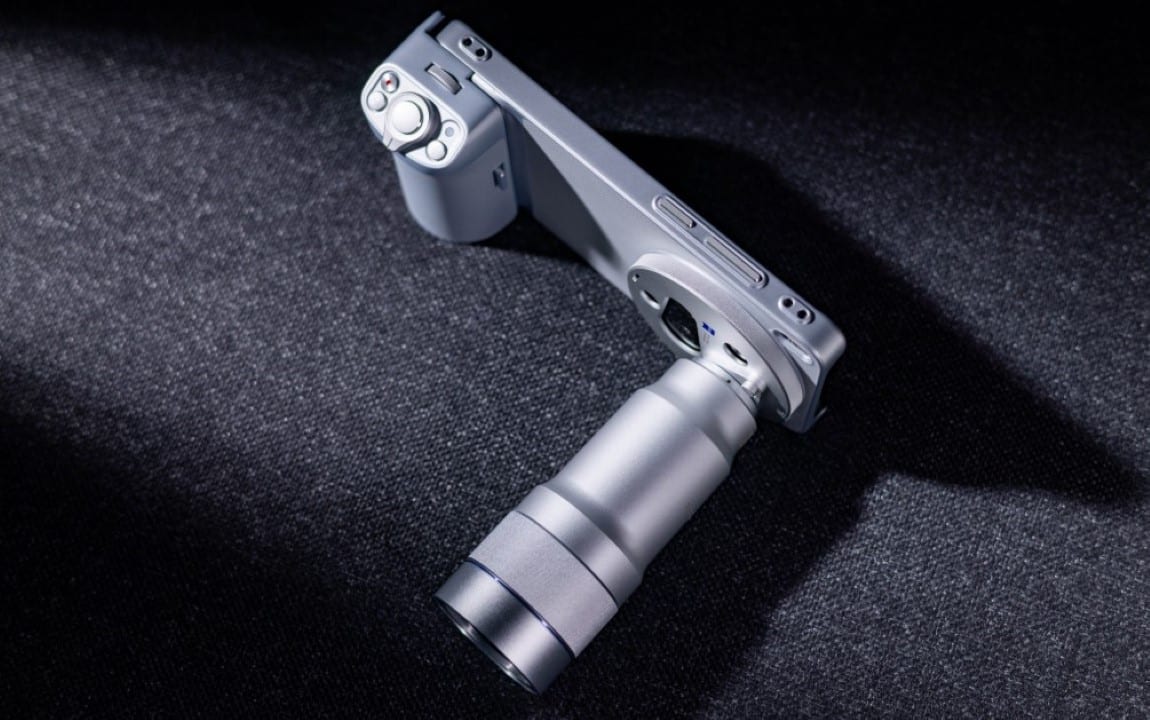
The device’s ecosystem allows the attachment of optional 200 mm and 400 mm teleconverter lenses, expanding the optical range natively. A grip-shaped accessory can also be connected to the chassis, offering physical shooting and zoom control buttons, bringing the cell phone’s ergonomics closer to that of a traditional camera.
Commercial distribution and positioning in the sector
The introduction of the equipment at retail began in the Asian market, with units available for immediate purchase after the official announcement. The manufacturer’s logistical planning foresees the gradual expansion of availability to other regions over the following months, adapting stocks to the demand in each specific territory.
The price positioning reflects the number of technologies embedded, placing the device in the highest category in the mobile telephony segment. The commercial strategy focuses on demonstrating that investment in the device replaces the need to purchase multiple audiovisual capture tools for independent professionals.



