
Nintendo plans to release remakes of Star Fox and Zelda Ocarina of Time for the new Switch 2 console

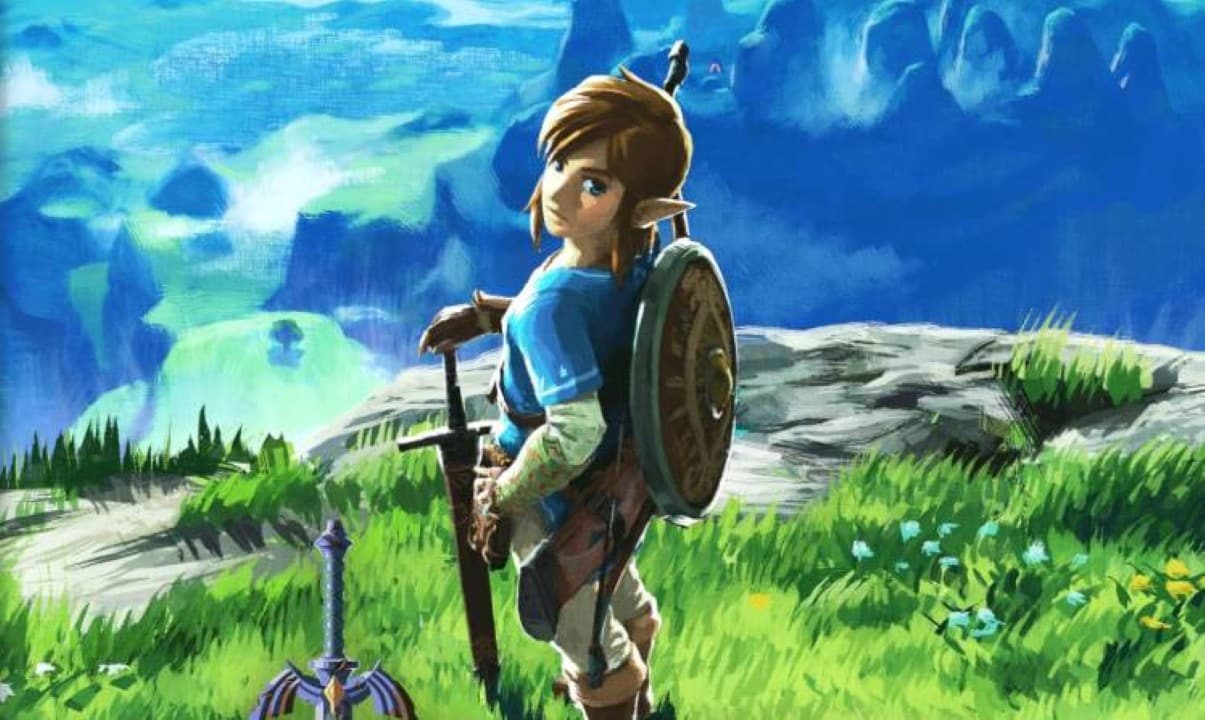
The video game industry is moving its gears with the preparation of major launches aimed at the next generation of hardware from one of the largest companies in the digital entertainment sector. The development of classic titles remade from scratch appears as the main strategy to attract both veteran players and younger audiences who have not had contact with the original works. Internal movement in the development studios indicates a robust delivery schedule for the next market cycles, focusing on intellectual properties with high commercial value.
The current focus is on the production of updated versions of space and medieval fantasy franchises, which made their mark on consoles of past generations and now receive cutting-edge visual treatment. Adapting old mechanics to contemporary standards requires considerable technical effort from software engineering and game design teams. The producers’ central objective is to maintain the essence of the original works while implementing modern controls and advanced graphic processing capabilities, adapted to the demands of the current market.

Behind-the-scenes information from the technology sector points out that the platform transition requires a strong initial catalog to justify consumers’ investment in the new equipment. The decision to recreate widely recognized games works as a commercial anchor, guaranteeing sales volume and rapid adoption of the system in the first months of availability in electronics stores on a global scale.
Market strategy for the new console
The consolidation of new hardware in the global technology market directly depends on the quality and volume of software available in its initial launch window. The decision to invest in already established intellectual properties reduces the financial risks associated with the creation of new brands, ensuring a loyal consumer base willing to invest in the new platform from day one. Strategic planning involves the spaced distribution of these major titles to maintain public engagement throughout the months following the device’s arrival on the shelves, avoiding gaps in the release calendar that could cool retail interest.
The parallel development of multiple projects requires an efficient allocation of human and technological resources within partner and internal studios. Modernizing a space shooter requires the creation of dedicated servers to support latency-free online multiplayer modes, while recreating a fantasy adventure focuses on expanding scenarios and fluid animations in open environments. Essa dual approach allows the company to serve different market niches simultaneously, strengthening the brand’s presence in the international competitive scenario compared to other hardware manufacturers.
Graphical and flight mechanic updates
The project focused on space battles delivers a completely revamped visual experience, taking advantage of the superior processing power of the new hardware. Classic ships gain detailed textures and dynamic lighting effects that alter depth perception during high-speed combat, replacing basic polygons with high-fidelity, three-dimensional models.
The implementation of a robust online multiplayer system represents the biggest technical innovation for this particular franchise. Developers work on creating competitive and cooperative modes that support multiple simultaneous players, maintaining stable frames per second even in moments of intense on-screen action and particle processing.
Modernization of the classic fantasy adventure
The work on recreating the famous exploration and puzzle title involves completely transitioning from old polygonal models to high-definition renders. Cada dungeon and open field undergoes an architectural redesign process to adapt to the visual standards required by current consumers, without losing the original geometry that defines the level design.
The user interface and control schemes receive special attention from the usability and player experience teams. Adapting commands originally designed for three-pronged controls to modern joysticks requires exhaustive testing to ensure accurate and intuitive responses during sword fighting and item use.
Quality of life elements such as auto-save, improved fast travel, and simplified inventory management are part of the suite of system updates. The technical goal is to remove past mechanical limitations caused by memory constraints while keeping the difficulty curve intact.
Release schedule and internal planning
The distribution of titles throughout the fiscal calendar follows a logic of supporting hardware sales and maximizing profits. The space combat game is scheduled to launch in the middle of the year, taking advantage of the school holidays in the northern hemisphere to boost the sale of physical and digital copies.
The medieval fantasy adventure ranks as the top release for the holiday season. Essa strategic allocation aims to maximize revenue during the period of greatest growth in global electronics retail, positioning software as the main attraction for purchasing the new console.
Parallel projects, such as three-dimensional platform games focused on the company’s main mascot, undergo rearrangements in the calendar to avoid cannibalization of sales between products from the same brand. Deferring certain intellectual properties to the next fiscal cycle ensures a continuous flow of new features to the installed base.
Franchises focused on paint battles and arena shooting competitions also figure in the manufacturer’s medium-term planning. The diversification of genres ensures that the new system’s catalog offers varied options, covering everything from narrative-focused single-player experiences to competitive esports environments.
Technical performance and hardware architecture
The architecture of the new digital entertainment system dictates the limits and creative possibilities of the development teams involved in these large-scale recreation projects. The transition to more efficient silicon components allows the execution of more complex artificial intelligence algorithms for the behavior of enemies and non-playable characters, raising the technical level of campaigns. Além Additionally, the presence of solid-state storage drives drastically reduces loading times between game areas, eliminating the waiting screens that fragmented the experience in past generations. The integration of image scaling technologies based on machine learning allows titles to run at very high resolutions on modern televisions, maintaining visual fidelity even when the device operates in portable mode with reduced power consumption, requiring rigorous optimization of the source code.
Audience expectations and initial reception
The corporate movement around these projects generates debates in specialized forums and technology market analysis platforms. Analistas from the sector dissect the available information in search of indications about the hardware’s initial production volume and the company’s ability to meet global demand on launch day.
The rescue of franchises that have gone long periods without new releases meets a user retention metric identified in recent market research. The strategy of mixing nostalgia with cutting-edge technology demonstrates a pragmatic reading of consumer behavior in electronic games today.
Expansion of the classics catalog
The intellectual property revitalization strategy establishes a sustainable business model for the transition of console generations, diluting research and development costs. The commercial performance of these projects paves the way for other series in the company’s collection to receive the same level of investment and technical updating in the coming years.
Technical elements of software production
The reverse engineering process applied to game logic developed more than two decades ago represents a direct challenge for programmers in charge of recreations. Extracting collision systems, item appearance rates, and behavior routines requires software tools created specifically for this data transition purpose. By migrating these parameters to modern graphics engines, teams rewrite thousands of lines of code to ensure that rover physics and gravity in jumps work with the precision required by current industry standards. Esse mechanical preservation work combined with visual innovation defines the production scope required by the high-budget interactive entertainment market, establishing rigorous quality control metrics before pressing the discs and distributing them to digital servers.
Optimization factors for the new system
Adapting titles to the new hardware environment involves a series of rigorous technical protocols established by the manufacturer. Partner studios follow strict memory and processing optimization guidelines to ensure maximum equipment performance without overheating.
The main technical work fronts required in the certification process include the following development parameters:
– Implementação of high-resolution textures optimized for large format screens.
– Gerenciamento of battery consumption for extended sessions in portable use mode.
– Integração of advanced tactile responses in the device’s new physical controllers.
– Sincronização save data on remote servers for seamless transition between gaming devices.



