General Motors presents new electric utility vehicle Cadillac Lyriq V with 646 horsepower By Maria
5 min read
 |
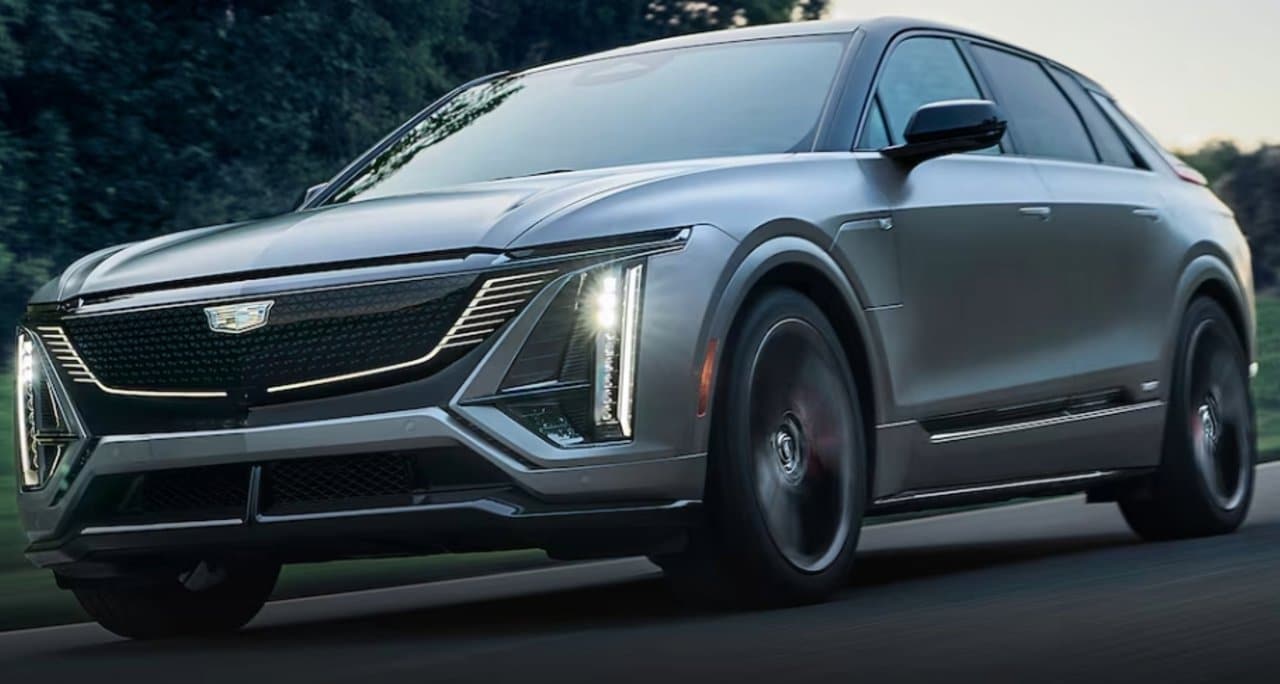
The luxury division of General Motors has officially announced the arrival of its latest zero-emission sports utility vehicle on the global market. The new model reaches 646 horsepower, establishing an unprecedented level for the North American manufacturer in the battery-powered vehicle segment. The automaker targets this launch at consumers who demand high performance combined with generous and sophisticated interior space.
The commercial strategy behind this vehicle reflects a profound shift in the automotive industry, which accelerates the transition from combustion engines to electrified platforms. The development focuses on delivering instantaneous acceleration, characteristic of electric motors, without sacrificing the comfort traditionally associated with high-end cars. Engenheiros of the brand worked intensively to ensure that driving force was distributed efficiently to all four wheels, optimizing traction.
The premium SUV sector has seen continued growth, driven by stricter environmental regulations and changing buyer profiles. The introduction of this specific model aims to capture a market share currently contested by European and Asian manufacturers, offering a robust mechanical package and a state-of-the-art technological package that meets the demands of a highly demanding public.
Propulsion engineering and vehicle architecture
The vehicle’s traction system is powered by a set of high energy density batteries, perfectly integrated into the Ultium modular platform. Esta architecture allows the energy cells to be distributed along the floor, reducing the vehicle’s center of gravity and significantly improving directional stability at high speeds. The dual engine configuration provides permanent all-wheel drive, ensuring that the 646 horsepower is transferred to the asphalt with minimal loss of grip, even in adverse weather conditions or slippery surfaces.
In addition to brute force, the thermal management of the electrical system received special attention from the development team to prevent overheating during more demanding driving sessions. Liquid cooling of batteries and inverters ensures that power delivery remains constant, preserving long-term component life. The chassis structure has been reinforced with ultra-high-strength steel alloys, which not only protects the energy compartment in the event of collisions, but also increases the vehicle’s torsional rigidity, a fundamental factor for precise and safe dynamic behavior.
Driving dynamics on different terrains
To deal with the additional mass inherent in electric vehicles, the utility vehicle was equipped with a continuous-reading adaptive suspension system. Sensores monitor road conditions in real time, adjusting the load of the shock absorbers in fractions of a second to absorb irregularities in the asphalt and keep the body level in sharp curves.
The braking system was also resized to support the model’s acceleration capacity. Discos large-diameter ventilated brakes operate in conjunction with the energy regeneration system, which converts the kinetic energy of braking into electricity to recharge the batteries, increasing the overall efficiency of the journey and saving mechanical brakes.
Electric steering calibration prioritizes direct communication between the driver and the ground, offering different driving modes that alter the weight of the steering wheel and the response of the accelerator pedal. Essa versatility allows the vehicle to transition from a docile behavior in urban traffic to an aggressive stance on high-speed highways.
Aerodynamic elements and visual identity
The SUV’s exterior design was sculpted into wind tunnels to minimize aerodynamic drag, a crucial factor in maximizing battery life. The absence of a traditional combustion engine allowed the designers to rethink the front grille, transforming it into an illuminated panel that gives an exclusive visual signature at night.
Carbon fiber components have been strategically positioned in the bodywork, including the rear diffuser and side skirts, to reduce overall weight and improve airflow under the vehicle. Esses Aesthetic details reinforce the high performance proposal without compromising the North American automaker’s characteristic elegance.
The optical assembly uses LED matrix technology, capable of intelligently directing the light beam so as not to dazzle drivers traveling in the opposite direction. The vertical daytime running lights maintain the manufacturer’s design heritage, while the rear lights integrate fluidly into the trunk pillars.
Forged light alloy wheels, measuring more than 20 inches in diameter, fill the wheel wells and are fitted with low-profile tires designed specifically to withstand the instantaneous torque of the electric motors. The wheel design also acts as a heat extractor for the high-performance braking system.
Sophistication in interior finishing
The cabin was designed to isolate occupants from external noise, using laminated acoustic glass and sound-absorbing materials applied to the doors and floor. The silence on board contrasts with the brutality of the acceleration, creating a serene environment where passengers can enjoy the high-fidelity audio system with multiple speakers strategically distributed throughout the cabin.
The front seats offer multi-directional electrical adjustments, heating, ventilation and massage functions, covered in natural tanned leather. The instrument panel gives up traditional physical buttons in favor of touch-sensitive surfaces and brushed metal finishes, increasing the perception of quality and refinement of the interior space for all occupants.
Connectivity and driver assistance systems
The vehicle’s command center is dominated by a very high-resolution curved screen that extends from in front of the driver to the center of the dashboard, integrating both the speed and range displays as well as the entertainment and navigation interface. Este system operates under a remotely upgradeable software architecture, ensuring the utility receives continuous improvements and new features throughout its useful life without the need for dealership visits. Native connectivity via 5G networks allows fast data processing for the navigation system, which calculates routes considering topography, real-time traffic and the location of compatible charging stations. Adicionalmente, the technology package includes the manufacturer’s semi-autonomous driving system, which uses a complex network of cameras, radars and sensors to allow the driver to take their hands off the wheel on mapped highways, while the vehicle takes control of acceleration, braking and lane centering, always requiring the driver’s visual attention on the road to ensure operational safety.
Strategic positioning in the automotive sector
The introduction of this 646-horsepower utility vehicle into the global market represents an aggressive move by General Motors to consolidate its luxury division as a dominant force in the era of electrification. The automaker seeks to attract customers who would traditionally opt for European brands, offering a competitive relationship between extreme power, cutting-edge onboard technology and exclusivity in design.
Infrastructure expansion and fast charging
To enable the practical use of a vehicle with such energy capacity, the electrical architecture supports ultra-fast direct current charging. In high power stations, the utility can recover hundreds of kilometers of autonomy in a few minutes, minimizing waiting time on long trips and making the owners’ daily routine easier.
The manufacturer has also entered into strategic partnerships to expand the network of public chargers available to its customers in several regions. Simplified access to reliable charging points is considered a fundamental pillar for the commercial success of the model and for the massive acceptance of electric mobility in the high-end segment.