
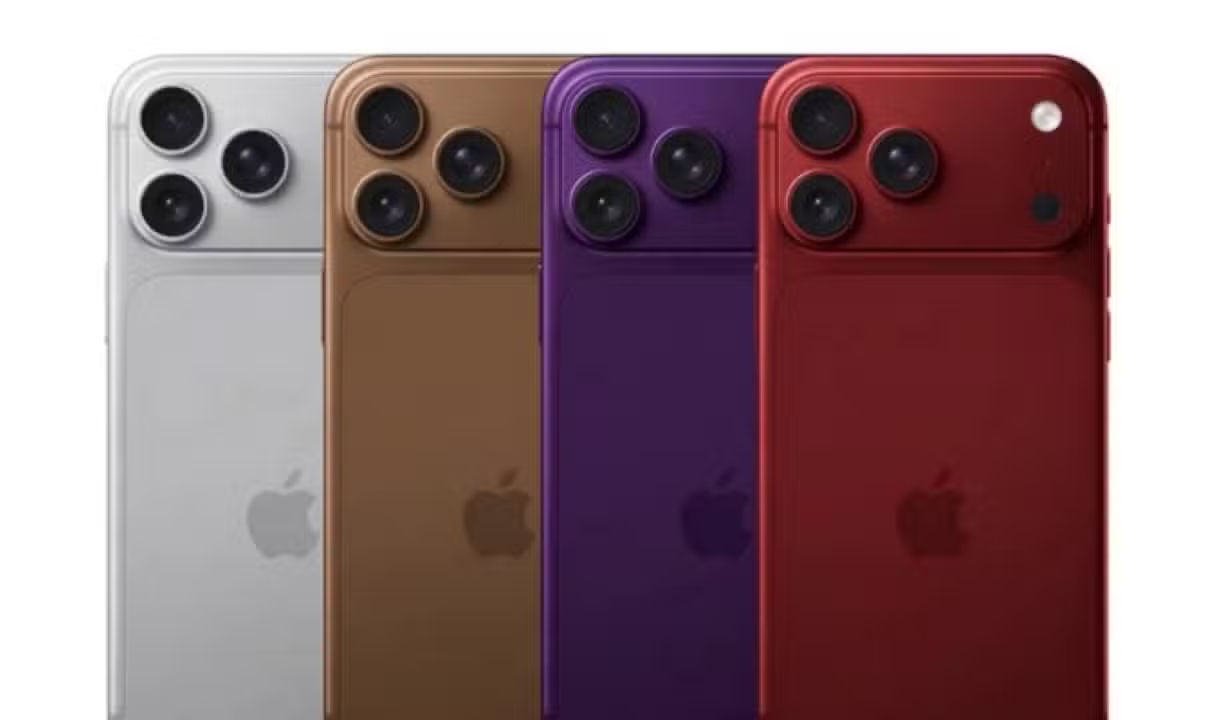
Rumors about the iPhone 18 Pro and iPhone 18 Pro Max models are already circulating intensely even with the launch scheduled for September 2026. The information indicates advances in design, performance and photography that keep the Pro line as a reference in the premium segment. Fabricantes of components and supply chain analysts provide consistent details on key changes expected in appliances.
The devices must preserve the general format of the previous generation, with 6.3-inch screens on the model Pro and 6.9 inches on the Pro Max. The set of rear cameras continues to be arranged on a raised plateau that houses three lenses. Essa configuration maintains the visual identity of the Pro family while allowing for planned internal improvements.
- Screen size remains identical to that of the iPhone 17 Pro line.
- Rear structure includes the characteristic plate for the cameras.
- Overall design avoids radical changes to the external shape.
Advances in screen and front design
Dynamic Island should undergo significant size reduction. The flood illuminator component of the Face ID will be positioned under the screen, which allows the cutout area to be shrunk by up to 35% compared to the current model. Essa change results in cleaner look without compromising facial recognition functionality or dynamic notifications.
The displays adopt LTPO+ technology that improves energy efficiency. With this, devices can offer variable refresh rates with lower battery consumption. The combination of the new panel and software optimizations contributes to extended autonomy during daily use.
Apple is also studying changes to the rear glass of Ceramic Shield. The finish could gain a more matte appearance and uniform integration with the aluminum structure, eliminating the split look seen in recent generations. Essas modifications aim to improve MagSafe grip and the overall aesthetics of the product.
https://twitter.com/theapplecycle/status/2040829509948059980?ref_src=twsrc%5EtfwCameras with new capabilities
The main 48-megapixel sensor Fusion must have a variable aperture in both models Pro. Essa function allows you to adjust the amount of light that reaches the sensor, offering greater control over depth of field and exposure in different lighting conditions. The mechanism works in a similar way to that found in DSLR cameras, although the reduced size of the smartphone sensor limits the full impact of the new feature.
Reports indicate that the Apple evaluates a three-layer stacked sensor developed by Samsung. Essa technology promises noise reduction, greater dynamic range and faster response in low-light scenarios. The front camera can also gain high resolution, enhancing the quality of video calls and selfies.
The button Camera Control is simplified. The expected version eliminates swipe gestures and only maintains the pressure sensor, which reduces manufacturing complexity and facilitates repair without losing the main functionality of quick access to the camera.
Improved performance and connectivity
The A20 Pro processor will be manufactured using TSMC’s 2-nanometer process. Essa architecture, combined with new packaging design, should deliver significant gains in both speed and energy efficiency when compared to the 3-nanometer A19 Pro. The chip also equips the foldable model that Apple plans to launch in the same time window.
Connectivity features the C2 cellular modem developed in-house by Apple. Sucessor of the C1 and C1X chips, the component promises higher speeds, lower power consumption and initial support for 5G connectivity via satellite in NR-NTN mode. Essa evolution allows web browsing and data transmission in areas without conventional terrestrial coverage.
The N2 wireless connectivity chip should replace the N1 present in most current models. Ele improves the performance of Wi-Fi 7, Bluetooth 6, and Thread, and increases the reliability of features such as Personal Hotspot and AirDrop. The integration between modem, wireless chip and main processor contributes to a more fluid experience in tasks that demand high bandwidth.
Battery and finish details
The iPhone 18 Pro Max should be slightly thicker than its predecessor to accommodate a larger capacity battery, estimated between 5,100 and 5,200 mAh. Essa additional reserve, added to the efficiency of the LTPO+ display and the A20 chip Pro, can significantly extend the time of use between recharges. The standard model also benefits from similar optimizations, albeit with adjustments proportional to the housing size.
The Pro line’s special color for 2026 is expected to be a deep red shade, often described as burgundy or deep red. Essa option marks the first time that the Pro models receive a red finish, differentiating themselves from the more sober palettes of recent generations. Outras Traditional colors round out the catalogue, with hints that classic black may not be available.
Other functional improvements
Apple continues to refine the integration between hardware and software to get the most out of new components. Improvements to the modem and wireless connectivity chip are expected to reduce latency in mobile connections and improve stability in challenging environments. Usuários who rely on a personal hotspot or fast file transfers notice practical gains in everyday life.
Although the main focus is on the Pro models, the launch schedule indicates that the Apple adopts a split strategy. The iPhone 18 Pro, iPhone 18 Pro Max and the foldable model arrive in September 2026, while more affordable versions of the iPhone 18 are expected in early 2027. Essa approach allows us to prioritize technical innovations in high-end products.