
Severe storms cancel more than 15,000 flights in the United States during the long weekend
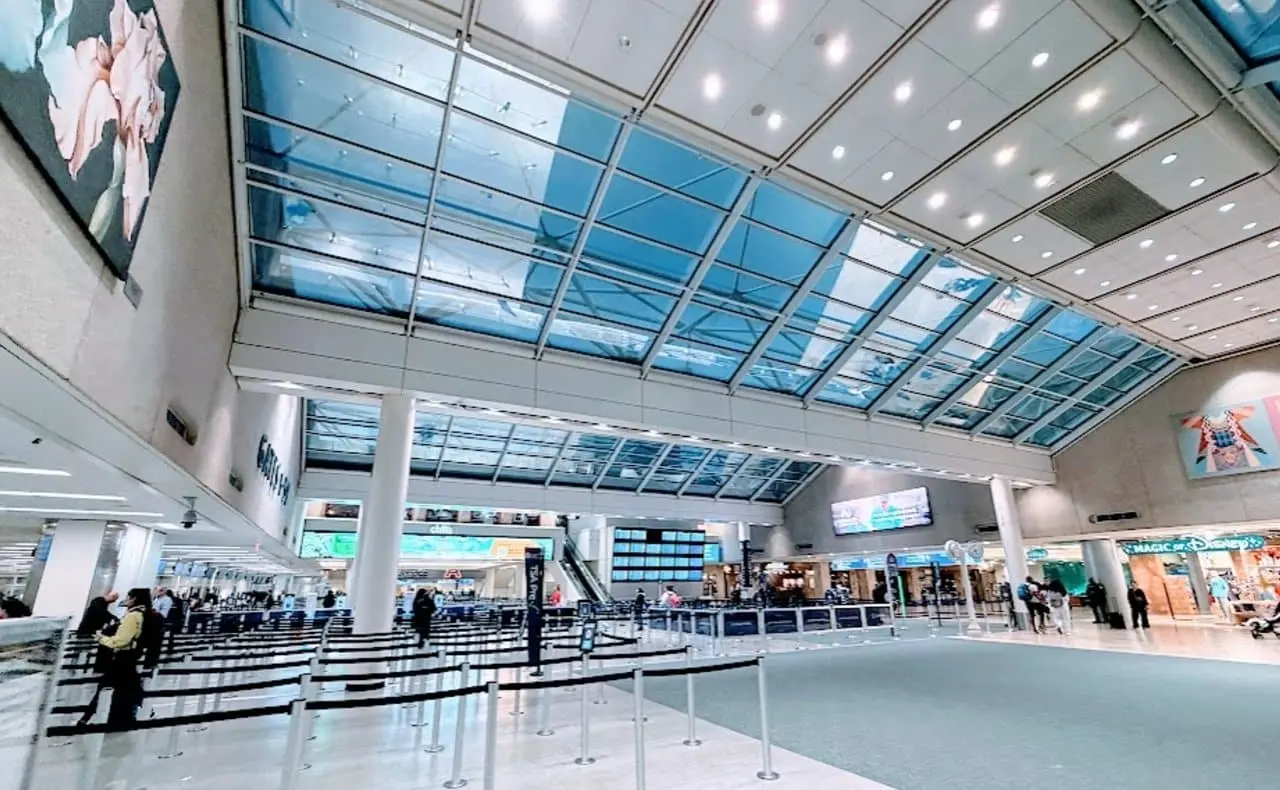
The Estados Unidos commercial aviation system experienced a massive shutdown of its operations during the recent long holiday weekend, driven by a combination of adverse weather conditions and record passenger volumes. Mais of 15,000 route interruptions were recorded by civil aviation authorities between Thursday and the weekend. Apenas on Saturday, control panels showed more than 5,600 significant delays in large terminals throughout the United States. Severe storms hit crucial air navigation routes, forcing aircraft to divert and entire fleets to be grounded. The high flow of travelers, characteristic of this period of the year, exhausted the airlines’ immediate reaccommodation capacity. Terminais operated at maximum traffic capacity, which reduced the margin for emergency operational maneuvers. Administração Federal of Aviação needed to intervene with flow control measures to avoid incidents in the airspace. The accumulation of aircraft on the taxiways generated a domino effect that paralyzed scheduled takeoffs. Especialistas in airport logistics point out that the current infrastructure operates at its limit during commemorative dates. The situation highlighted structural bottlenecks in the national airline network.
The country’s main connection centers absorbed the largest volume of operational problems. Aeroportos as Hartsfield-Jackson at Atlanta, O’Hare at Chicago and the terminals at Dallas and Houston reported hundreds of grounded flights. Ground teams faced difficulties in processing boarding and disembarking at the stipulated times.
The shortage of professionals in strategic positions worsened waiting times in security inspection areas. Filas large areas formed in the main lobbies, requiring the reallocation of administrative employees to directly serve the public. Baggage operations were also slowed down due to the backlog of simultaneous flights.
Weather conditions paralyze terminals on Texas
The formation of intense storms over the southern region of Estados Unidos directly affected operations at Aeroporto Internacional of Dallas/Fort Worth. Weather radars indicated strong winds and electrical discharges, which forced the temporary suspension of ramp services. Quase thousand takeoffs and landings underwent changes only on Saturday.
Learn more: Lack of TSA agents causes severe delays at Texas terminals during federal shutdown
This volume of interruptions represented around 45% of the entire flight schedule scheduled for the Texan terminal that day. Aeroporto Intercontinental George Bush, located at Houston, recorded a similar operational scenario, with severe visibility restrictions. The control towers needed to increase the spacing between approaching aircraft.
Federal interventions in the airspace of Chicago
Aeroporto Internacional O’Hare, at Chicago, faced the longest streak of holiday route suspensions. On Thursday, dashboards recorded the cancellation of more than 800 business operations. The intensity of crosswinds on the main runways made standard landing procedures unfeasible.
Administração Federal of Aviação issued two separate ground stand orders for the Illinois terminal. Essas security guidelines prevented aircraft bound for Chicago from taking off from their home airports. The measure aims to avoid airspace congestion over the city during storms.
Airlines that use O’Hare as their main base have had to retain their crews and aircraft. Repositioning this equipment took hours after the airspace was released. Parking lots reached maximum capacity, forcing flights to be diverted to alternative airports in the central-west region.
Ripple effect on the national air network
The concentration of problems in flight distribution centers generated immediate repercussions in smaller airports. Aeronaves retained in Chicago or Dallas failed to complete the following stages of their scales. Passageiros awaiting boarding on the east and west coast were notified of delays for equipment that had not even taken off.
American Airlines and United Airlines recorded changes in more than a quarter of their total operations between Thursday and Friday. The interdependence of commercial routes means that the delay of a single plane compromises up to four subsequent flights on the same day. The network planning teams worked around the clock to readjust the scales.
On the same topic: Airline expands network in Myrtle Beach with direct flights to Pittsburgh and Portland
Delta Air Lines’s hub at Atlanta also operated under restrictions, although the company maintained slightly higher punctuality rates than competitors. The company’s fleet management prioritized the maintenance of long-distance routes and international flights. Rotas Short regional programs were the most sacrificed to free up space in the yards.
Loss of connections has become the main problem for travelers on the move. Sem seats available on subsequent flights, thousands of people had to stay overnight in connecting cities. Hotels located on airport perimeters quickly reached full occupancy, limiting the accommodation options provided by companies.
Operational bottlenecks and labor shortages
The vulnerability of the North American air transport system is directly linked to the capacity to process passengers and aircraft in times of operational stress. The sector is still dealing with the recomposition of its technical staff, especially in the areas of air traffic control and runway maintenance. The lack of sufficient controllers in regional radar centers forces a reduction in the flow of planes in specific sectors of the airspace. Quando Storms further reduce available routes, the safety margin requires a greater distance between aircraft, reducing the rate of landings per hour.
Ground support services also operate with reduced teams compared to current demand. Fuel supply, baggage loading and catering require precise timing to ensure punctual take-off. Qualquer Weather disruption that paralyzes workers in the yard creates a delay that accumulates throughout the day. Hiring and training new employees for airport security requires rigorous federal certifications, which extends the time needed to fill open positions in large terminals.
Operating costs for aviation companies
Massive interruptions generate extraordinary expenses that directly affect the financial balance of airline operators. Cada canceled flight represents the refund of fares, the payment of overtime for stranded crews and the cost of re-accommodating passengers on third-party flights. Companies also bear accommodation, food and ground transportation expenses for customers affected by operational failures that are not exclusively climate-related. Fuel consumption increases significantly when aircraft need to perform mid-air holding orbits or taxi for long periods before takeoff. The idleness of expensive equipment, such as wide-body aircraft parked in yards, reduces the daily profitability projected by financial departments. Analistas in the transportation industry estimate that a weekend of severe shutdowns could cost a single major airline tens of millions of dollars. Além of the direct costs, there is the expense of unscheduled maintenance when planes operate in extreme weather conditions. The need for additional inspections after flights in areas of severe turbulence removes aircraft from the network for additional hours. The accumulation of these expenses puts pressure on the sector’s profit margins in a period of already high operating costs.
Consumer rights and regulations
Departamento of Transporte of Estados Unidos strictly monitors compliance with passenger assistance rules. Companies are required to provide clear information about the reasons for delays and the refund options available. The regulatory agency imposes severe fines in cases of failure to provide material assistance during prolonged waits in terminals.
Read also: Atlanta terminal leads global passenger flow in record year for commercial aviation
Airport infrastructure modernization measures
Mitigating large-scale operational failures requires continuous updating of navigation and control systems. The federal government and airport administrations direct resources to the physical expansion of runways and passenger terminals. The implementation of satellite tracking technologies allows for more direct and safer routes.
Air operators also invest in predictive intelligence software to anticipate fleet relocations before storms hit airports. Strategic planning focuses on specific actions to maintain traffic flow:
- Updating weather radars for early detection of cold fronts and shear winds.
- Expansion of recruitment programs for flight controllers and transport security officers.
- Construction of new high-speed taxiways to clear the landing area quickly.
- Adoption of integrated communication protocols between airlines and the federal administration.
More news in Latest News (EN)
See more → Sony clarifies launch timing and hardware price plans for PS6
 Sony PlayStation 6 cost nears $950 as memory prices climbAfD state election triumph prompts urgent review of Germany’s democratic foundationsAaron Judge returns to Yankees lineup, igniting playoff push after three-month rib injury absenceHigh-altitude tragedy: Climber perishes after fall on Aspen-area 14er summitEgyptian TV personality and 11 co-defendants condemned to death for large-scale synthetic drug traffickingPlayStation 6 component bills surge to $960 amid memory crunch
 Rockstar North adds canine waste throwing to GTA 6 worldRockstar North details dog mechanics and street combat in GTA 6
 Corporate ChatGPT users gain custom text style replicationWorkplace ChatGPT starts copying individual writing styles
More news on Mix Vale
- 1Trump demands Bombardier relocate production to US for market access, escalating trade tensions
- 2Veteran left-hander Thomas Pannone hurls rare perfect game in Triple-A for Nashville Sounds
- 3Power outage forces FSU and SMU to play college football without modern communication tools
- 4United Kingdom to impose trade restrictions on Israeli settlements, sparking strong U.S. and Israeli opposition
- 5Top Ukrainian prosecutor resigns following probe into vast illegal call center network scheme
- 6Calls intensify for Australia to assert foreign policy independence over extensive US military presence
- 7Saxony-Anhalt results underscore growing momentum for European far-right parties ahead of key votes
- 8Julia Louis-Dreyfus reveals intense creative clashes shaped iconic sitcom ‘Seinfeld’s’ groundbreaking humor
- 9U.S. forces dismantle sophisticated floating drug refueling station tied to Ecuadorian narco-terror group
- 10Giants make unexpected roster move, release longest-tenured player Darius Slayton as Harbaugh era begins