
Global tension increases the cost of oil and gas stations operate with a profit margin limited to ten percent


The amount charged at fuel pumps reflects a complex supply chain that is almost entirely outside the control of the owners of retail establishments. The perception that stations are mainly responsible for frequent increases contrasts with the reality of the cost composition of the energy sector. The formation of the final price depends on macroeconomic variables, international prices and fiscal policies established by different government spheres.
The pricing structure reveals that retailers essentially act as cost passers, adjusting their panels according to the lots purchased from distributors. The fractionalization of the amount paid by the end consumer demonstrates the direct dependence on imported raw materials and heavy industrial processes. The technical division of costs highlights the limited maneuverability of local entrepreneurs when defining the value of the liter sold.
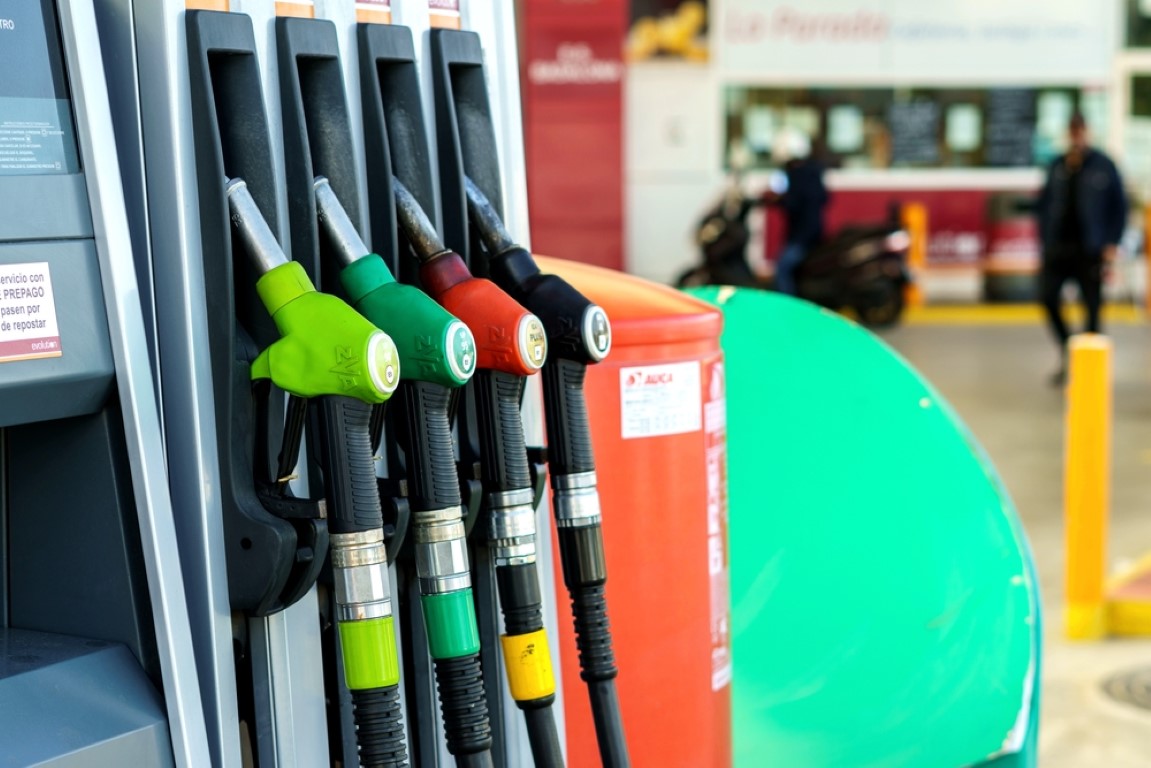
The structural composition of the fuel price has the following average distribution in the market:
– Crude oil represents approximately fifty percent of the final amount charged at the pumps.
– The refining process accounts for around twenty percent of the total cost of the product.
– The tax burden, adding taxes from different spheres, reaches the twenty percent mark.
– The gross margin of retail stations is restricted to around ten percent to cover all operating expenses.
Faced with this division, commercial establishments absorb fluctuations in the wholesale market and try to balance the need for transfers with maintaining local competitiveness. The dependence on refineries and distribution routes creates a scenario where financial predictability becomes a daily challenge for station management.
International market dynamics dictate readjustments
Crude oil prices are directly impacted by geopolitical events that affect the main global supply routes. Tensões in producing regions or logistical bottlenecks in maritime straits generate immediate reactions in futures contracts and spot prices of the commodity. Essa Volatility is the main driver of value changes observed by drivers.
The transfer of these international fluctuations to the domestic market occurs at a speed that follows the need to replace refinery stocks. Quando The cost of raw materials rises abroad, the increase spreads quickly throughout the distribution chain. Stations, when receiving new shipments, are faced with invoices that have already been readjusted.
Refining process and logistics add layers to value
Transforming crude oil into usable gasoline requires complex industrial operations that involve distillation and the addition of specific chemical components. Refineries need to adapt the final product to the environmental and quality regulations required by regulatory agencies. Esse Industrial processing justifies the twenty percent share of the total fuel cost.
After refining, the product enters the distribution phase, which includes transportation from refineries to regional distributor bases. Logistics costs vary significantly according to the distance traveled, the mode of transport used and the condition of the road infrastructure. Regiões Further away from production centers naturally face higher shipping costs.
The last logistical stage involves moving the fuel from the distributor bases to the underground tanks at the dealer stations. Frotas tanker trucks make this route daily, including the costs of vehicle maintenance, tolls and remuneration for drivers specializing in dangerous cargo in the final price.
Tax burden and regional price formation
Taxes represent a fixed and substantial part of the price composition, being determined by federal, state and municipal legislation. The collection focuses on different stages of the production chain, accumulating until it reaches the final consumer. The rates are defined by public policies and government revenue needs.
Station owners do not have any management over the tax burden, acting only as collectors at the end of the consumption line. Alterações in the tax rates on the circulation of goods or social contributions are automatically reflected in the price panels. Fiscal rigidity prevents resellers from absorbing these costs without compromising the viability of the business.
Tax variation between different geographic regions explains part of the price discrepancies observed on interstate highways. Estabelecimentos located in areas with lower tax incidence are able to offer more attractive prices, even when purchasing fuel from the same refineries. Essa Dynamic creates highly competitive zones on regional borders.
In price escalation scenarios, the proportional tax structure amplifies the final value, leaving stations with even more pressured margins. The lack of flexibility in taxes means that resellers cannot create aggressive promotions without operating at a direct financial loss.
Operational factors that influence small neighborhood variations
Local competition and business strategies explain the small price differences found at gas stations in the same region. Estabelecimentos With a high sales volume, they are able to negotiate slightly better conditions with distributors, diluting their fixed costs over a greater quantity of liters sold. Algumas units choose to use fuel as an attraction to boost sales in convenience stores or aggregate automotive services, accepting minimum margins at the pump. On the other hand, gas stations located in areas with less traffic face the challenge of covering their expenses with a reduced sales volume, which forces them to charge marginally higher prices to ensure commercial survival.
The ten percent gross margin retained by stations needs to be enough to cover an extensive list of operating expenses that go far beyond the simple purchase of fuel. Owners bear high electricity costs, rents for well-located commercial land, employee payrolls, mandatory insurance, and rigorous maintenance of measurement and storage equipment. Furthermore, the fees charged by credit and debit card operators erode a significant part of this margin, especially considering that the vast majority of current transactions occur electronically. Qualquer Increase in these fixed expenses directly puts pressure on the need to readjust the pumps.
Business survival strategies in the face of volatility
The financial management of a gas station requires daily monitoring of wholesale quotes and the behavior of local competitors. Redes Large and independent operators face the same relentless pricing mechanism, where selling the product below replacement cost means immediate decapitalization. Quando the international market signals consecutive increases, resellers need to transfer the values gradually so as not to scare away their customers, but quickly enough to ensure that they will have the resources to buy the next shipment. Attempting to artificially hold prices for long periods results in the inability to renew stocks, leading to a lack of product at the pumps. The balance between maintaining commercial attractiveness and ensuring operational sustainability defines the administrative routine of these establishments. In times of extreme volatility, panel adjustments may occur more than once in the same week, reflecting nervousness in the supply chain. Survival in the sector depends on rigorous operational efficiency, where loss control and optimization of internal resources compensate for the lack of control over the cost of raw materials.
Transparency in the supply chain
Understanding the pricing mechanism shows that retailers’ individual decisions have a minimal impact on the macroeconomic scale of fuels. Transparency about the origin of costs helps to demystify the idea of exorbitant profits at the end of the chain. The retail market acts as the most visible, but most vulnerable, link in a complex global mechanism.
Need for continuous adaptation of the retail sector
Distributors deliver the final product already priced with all international variations and logistics costs included. The reseller receives the cargo with an extremely narrow margin of maneuver to define its commercial policy.
The definition of the final value for pumps primarily considers the cost of immediate stock replacement. Essa Commercial dynamics prevent the retail sector from absorbing external shocks, transferring the reality of the global market directly to the local consumer.





