
Leak reveals that Nintendo Switch 2 will have a removable battery to comply with new European law
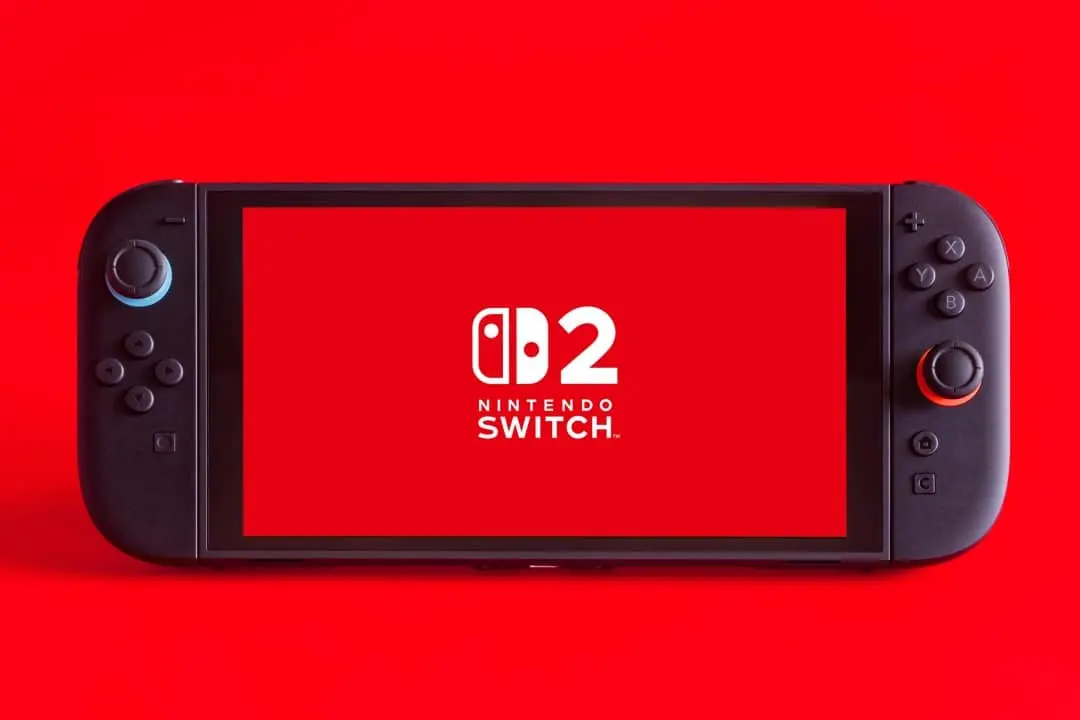
The global video game sector is closely following developments regarding the Japanese electronic entertainment giant’s next hardware launch. Informações recent behind-the-scenes details detail significant structural changes in the design of the long-awaited successor to today’s most popular hybrid console, indicating a paradigm shift in the construction of portable devices dedicated to gaming.
The focus of the changes falls directly on the device’s power supply system. The engineering project involves the adoption of an energy component that can be replaced directly by the end user, without the need for specialized technical assistance or complex industrial tools to open the chassis.
The change in the traditional manufacturing format meets new international guidelines related to sustainability and the right to repair. Essa measure changes the standard adopted by the mobile technology industry in the last decade, which prioritized thinner designs over sealed components inaccessible to the common consumer.
Impact of new European regulations on design
The change in the device’s architecture is directly linked to recent legislation approved on the European continent. The standards require that portable electronic equipment offer easy access to exchange components that suffer natural wear, with the aim of extending the useful life of the equipment and guaranteeing consumer rights.
The authorities’ objective is to drastically reduce the volume of electronic waste generated by the premature disposal of functional equipment. Essa requirement forces manufacturers to rethink the assembly of their products, abandoning the excessive use of industrial glues that prevent the housings from opening and make basic maintenance difficult.
More on this story: New Nintendo console adopts removable battery to meet European environmental requirements
To comply with legal requirements, the new console must incorporate secure locking mechanisms that allow the rear compartment to be opened. The system must guarantee the integrity of the device against accidental falls and dust infiltration, maintaining the robustness necessary for portable and daily use equipment.
Adapting to required standards changes the development schedule and large-scale production costs. Assembly lines require new molds and rigorous quality control processes to ensure that the mechanical docking mechanism functions perfectly over years of continuous use.
Changes to internal architecture and hardware security
The implementation of an accessible compartment requires additional engineering measures to avoid accidents during handling. Thermal insulation and protection against short circuits become a priority in the design of the motherboard and internal connectors, isolating the power area from the main processors and system memory.
The system software also receives updates to monitor the authenticity and health of the inserted part. The user interface will display alerts if it detects uncertified items that could compromise the performance, data integrity, or physical security of the device during the fast charging process.
Accessories market and peripheral production
The opening of the hardware ecosystem creates a new segment for companies that develop complementary products. Fabricantes of accessories are already preparing lines of protective covers and supports suitable for the new mechanical format of the hybrid console, ensuring that the casings do not block access to the power compartment.
Providing parallel spare parts has emerged as a lucrative niche, requiring strict attention to voltage and amperage standards. Official certification becomes a competitive differentiator for brands that wish to operate within the technical specifications required by the original manufacturer, avoiding damage to users’ devices.
The availability of expanded power options may alter device ergonomics during extended use. The balance between weight, load capacity and thermal comfort dictates the rules for the development of alternative power solutions by independent engineers and companies focused on hardware modifications.
Learn more: New leak suggests that Nintendo Switch 2 will have a removable battery to facilitate maintenance
Commercial strategy and direct sales of components
The transition to replaceable parts changes the business model focused solely on selling games and digital subscriptions. The sale of official energy packages becomes part of the permanent product catalog in physical and virtual stores, generating a continuous source of revenue throughout the entire life cycle of the equipment.
Customer support and warranty policies are revised to accommodate direct buyer handling. Manuais instruction and digital service channels will include detailed guides on the correct replacement procedure, minimizing the risk of accidental damage to metal contacts and relieving the burden on authorized technical assistance networks.
Software optimization and power management
Programmers and art directors await the final definition of technical specifications to calibrate the visual performance of their ongoing projects. Load holding capacity dictates graphics processing limits, frame rate per second, and screen brightness in portable usage mode, requiring modern graphics engines to utilize dynamic power management that switches between high-performance and economy profiles depending on the complexity of the scene rendered on the display. The architecture of the new component defines the maximum autonomy time, a crucial factor for the acceptance of the product by users who prioritize mobility in their routines. The alignment between software creation tools and physical hardware limitations ensures that interactive experiences maintain fluidity and stability, fundamental characteristics for the commercial success of big-budget games in the competitive digital entertainment market.
Reverse logistics and conscious disposal of materials
Adopting the new format requires the implementation of efficient collection programs for depleted materials. Pontos collection at partner stores and awareness campaigns guide the public on the correct disposal of chemical agents, avoiding contamination of soil and groundwater in urban areas.
The industrial processing of returned parts allows the extraction of valuable metals, such as lithium and cobalt, which are reinserted into the production chain. The circular economy decreases dependence on primary mining and reduces the carbon footprint associated with manufacturing high-density electronic components.
Adapting the global supply chain
Raw material suppliers adjust their contracts to meet continued demand for independent power cells. The diversification of partner factories mitigates the risk of production stoppages caused by fluctuations in the international market for semiconductors and basic chemical inputs, ensuring that the assembly flow on Asian lines remains constant and accelerated.
On the same topic: Leak indicates that Nintendo’s new console will have a removable battery to extend its useful life
Reflections on pricing and international retail
The physical restructuring of the device directly impacts the cost sheets and the definition of the final price suggested to the consumer in global showcases. The addition of safe extraction mechanisms and reinforced casings for power modules adds steps to the manufacturing process, requiring complex negotiations with suppliers of high-strength plastics and lightweight metal alloys.
The retail sector prepares its logistics operations to stock not only the main processing unit, but also a considerable volume of official spare parts from the first day of launch. The display strategy in physical stores demands new displays that highlight the modularity of the system as a direct benefit to the buyer, differentiating the product from competitors that maintain a closed and inflexible architecture.
More news in Latest News (EN)
See more → Rockstar North adds canine waste throwing to GTA 6 worldRockstar North details dog mechanics and street combat in GTA 6
 Corporate ChatGPT users gain custom text style replicationWorkplace ChatGPT starts copying individual writing stylesTop Ukrainian prosecutor resigns following probe into vast illegal call center network schemeCalls intensify for Australia to assert foreign policy independence over extensive US military presenceSaxony-Anhalt results underscore growing momentum for European far-right parties ahead of key votesJulia Louis-Dreyfus reveals intense creative clashes shaped iconic sitcom ‘Seinfeld’s’ groundbreaking humorU.S. forces dismantle sophisticated floating drug refueling station tied to Ecuadorian narco-terror groupGiants make unexpected roster move, release longest-tenured player Darius Slayton as Harbaugh era beginsEiffel Tower closure sparks outrage as staff protest gender segregation during VIP religious group visitCanada activates massive tariffs on American imports reaching C$27.6 billion, intensifying cross-border trade spat
More news on Mix Vale
- 1Aaron Judge returns to Yankees lineup, igniting playoff push after three-month rib injury absence
- 2High-altitude tragedy: Climber perishes after fall on Aspen-area 14er summit
- 3Egyptian TV personality and 11 co-defendants condemned to death for large-scale synthetic drug trafficking
- 4PlayStation 6 component bills surge to $960 amid memory crunch
- 5AfD’s near majority in Saxony-Anhalt state vote triggers widespread concern across Germany
- 6Promotores desistem de apelo sobre confissão de Khalid Sheikh Mohammed para garantir julgamento em 2028
- 7Ejection of eight fans from Portland Thorns game sparks debate over free speech and stadium rules
- 8Christine Taylor detalha pedido de emagrecimento para interpretar Marcia Brady em filme clássico dos anos 90
- 9Investigators retrieve flight recorders after deadly Amazon cargo plane overruns Miami runway, killing five
- 10NSW Greens lawmaker urges federal party to support koala park carbon credit deal amid internal rift