
Netflix prepares feature film with Suzane’s unprecedented testimony about parents and crime

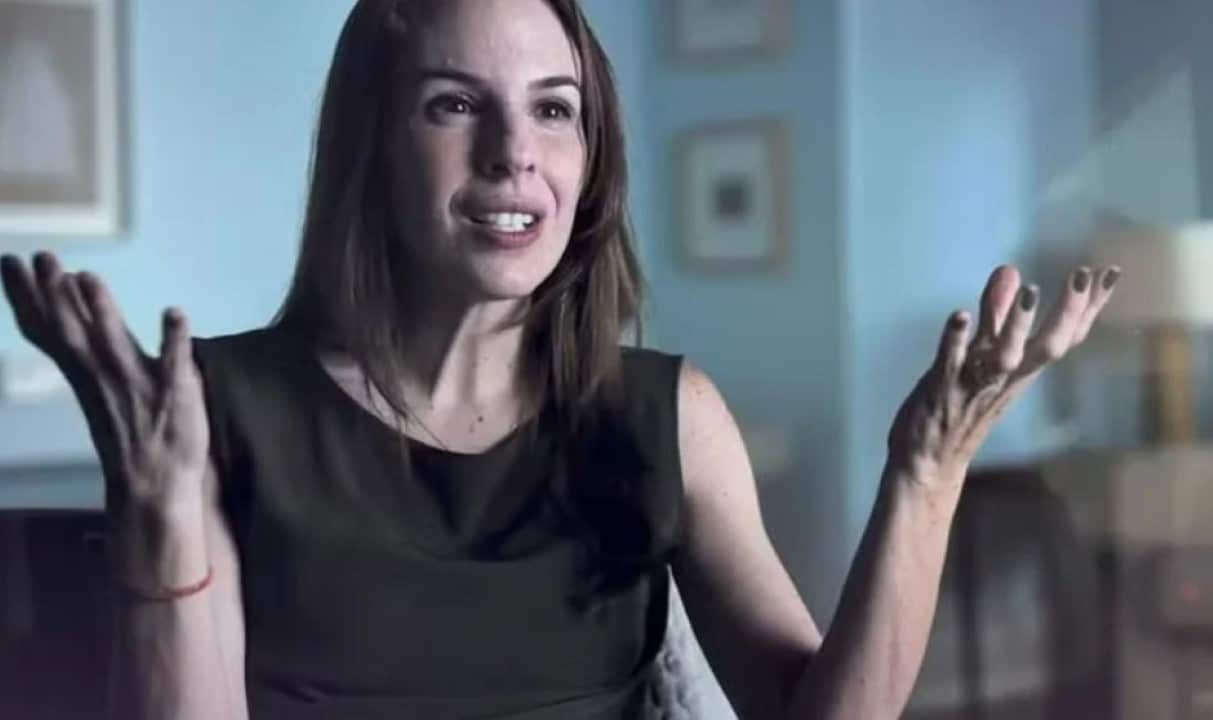
A new documentary from Netflix brings Suzane from Richthofen presenting his version of the murder of his parents and the environment in which he grew up. The production of around two hours does not yet have a defined release date and is still in its final stages. Imagens from a restricted session circulated recently and generated repercussions. The platform confirmed the existence of the project without providing further details about the launch.
The work mainly explores the convict’s account of her relationship with Manfred and Marísia von Richthofen. Suzane describes a house marked by emotional distance since childhood. Ela and her brother Andreas report feeling invisible in their family’s daily lives.
- The production highlights long testimonies about the internal dynamics of the mansion at Rua Lope Quintas, at São Paulo.
- The focus is on the years before the 2002 crime, without direct justification for the facts.
- Details about fights and tensions appear recurrently in the reports.
Family environment described as distant
Suzane claims that there was an abyss between her and her parents. Sobre her father, Manfred, she mentions zero displays of affection over the years. The relationship with the mother, Marísia, would have included a little more affection, although in a rare and limited way.
She says that the children in the house lived in a cold environment. The documentary records these points through direct interviews. The narrative attempts to contextualize the past without changing the facts already judged.
The production includes mentions of scenes of violence witnessed by Suzane. Ela reports fights between his father and mother that marked his memory. Esses episodes appear as part of the reconstruction of domestic life.
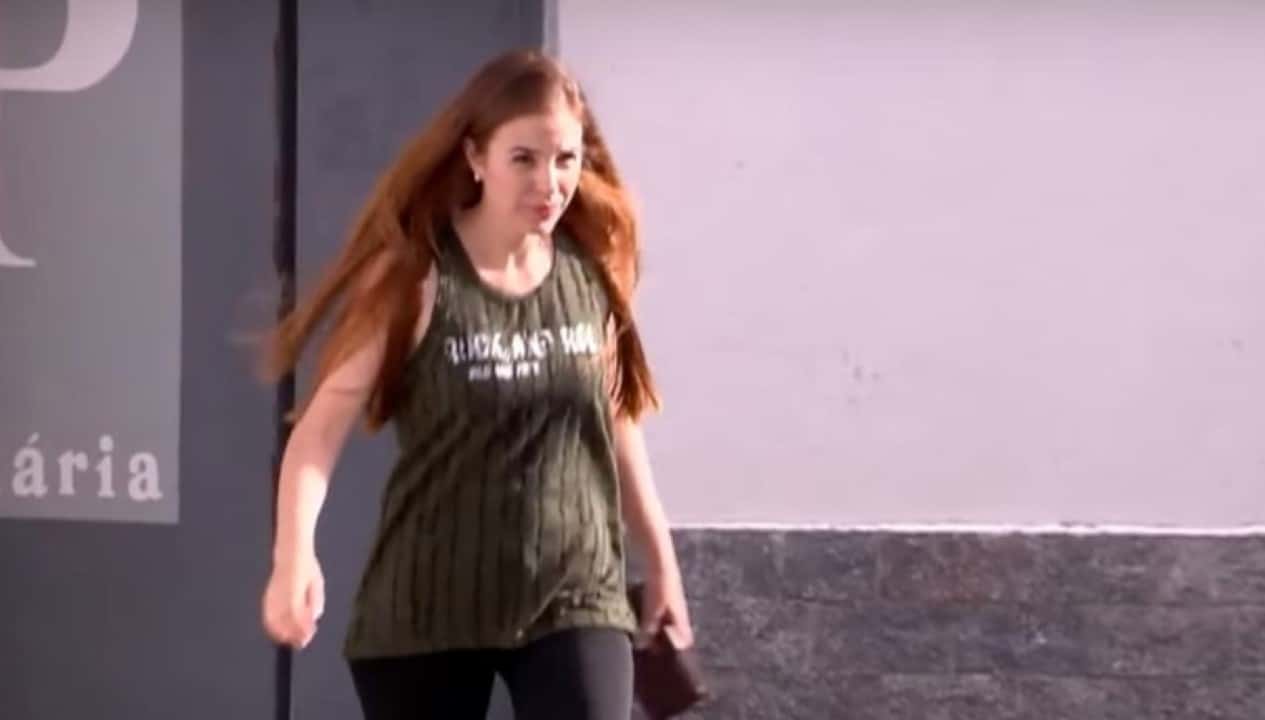
Arrival of Daniel Cravinhos changes routine
Suzane explains that the emotional void in the house made it easier for Daniel Cravinhos to enter her life. The boyfriend began to occupy spaces that previously seemed non-existent in the family routine. The Richthofen family, according to her, was far from the image idealized in advertisements.
The report points out that the relationship gained strength precisely due to the absence of closer ties at home. Daniel Would have filled gaps left by family dynamics. The production dedicates specific sections to this transition in Suzane’s adolescence.
She also mentions that their coexistence got worse when her parents discovered they were dating. During a period of the parents’ trip to Europa for about 30 days, Suzane reports having lived with Daniel in the family residence. Esse break appears as a moment of freedom that she didn’t want to lose.
Details about the crime and current life
The feature film records Suzane’s version of the planning and execution of the crime that occurred on October 31, 2002. Ela recalls the involvement with Daniel and Cristian Cravinhos without presenting new evidence. The convict has served a 39-year sentence in an open regime since 2023.
The work also addresses aspects of current social reintegration. Suzane talks about his routine outside prison and tries to show points from his post-conviction trajectory. The material seeks to draw a complete panorama through her eyes.
Focus on childhood trauma
The narrative frequently returns to the early years of Suzane. Ela describes the house as a space where affection was scarce. Brother Andreas appears on several occasions as someone who shared the same feeling of invisibility.
These elements make up the majority of the testimonials. The production records reactions during the recordings, including moments of specific emotion. The tone remains focused on the facts reported by the interviewee herself.
Suzane also mentions that her father reacted badly to the progress of their relationship with Daniel. Ela claims to have suffered physical aggression in an argument related to the relationship. Esses Details are part of the chronological reconstruction presented.
Production still has no release date
Netflix recognized the existence of the documentary after images of the restricted preview were leaked. The project, with the provisional title “Suzane vai fala”, remains in the finalization phase. Não There is official information about when the content will be available in the catalog.
The approximately two-hour duration allows you to explore different angles of the story. The responsible team prioritized direct interviews with Suzane. The material also includes contexts about the attempt to rebuild her life after partially serving her sentence.
The documentary avoids external analyzes and privileges the condemned woman’s speech. Esse format marks the first time that Suzane details these aspects in an extensive audiovisual production. The platform maintains secrecy about the final cut and possible additions.
Suzane von Richthofen, now 42 years old, presents her perspective on what she considers to be flaws in the family structure. Ela links emotional distance to closeness with Daniel Cravinhos. The story covers everything from childhood to the days leading up to the crime.
The production also records memories about the mansion and the brothers’ daily lives. The environment is described as formal and unwelcoming. Esses points appear recurrently throughout the almost two hours.
Initial repercussion divides opinions
Images from the restricted session generated public debate even before its release. Parte of content already circulates in a fragmented way on social networks. Netflix did not comment on the leak and reinforced that the project remains in production.
The documentary seeks to show the human side of Suzane’s past without changing the court verdict. The convict talks about the impact of the absence of affection and how it influenced her choices. Daniel Cravinhos appears as a central figure in this narrative.
The work includes references to Suzane’s current life in an open regime. Ela mentions familiar routines and attempts to adapt. Esses Excerpts complement the statements about the period before the crime.
The structure prioritizes chronology from childhood to the present day. Suzane revisits the 2002 case with details about the planning and participation of those involved. The production maintains focus on her reports.
The material also explores Suzane’s perception of the idealized family. Ela contrasts the lived reality with the public image that the residence projected. Esses Contrasts form an important part of recorded testimonies.





