
Custom Suzuki Hi-R dominates scooter meeting with competition engine and extra wide wheel

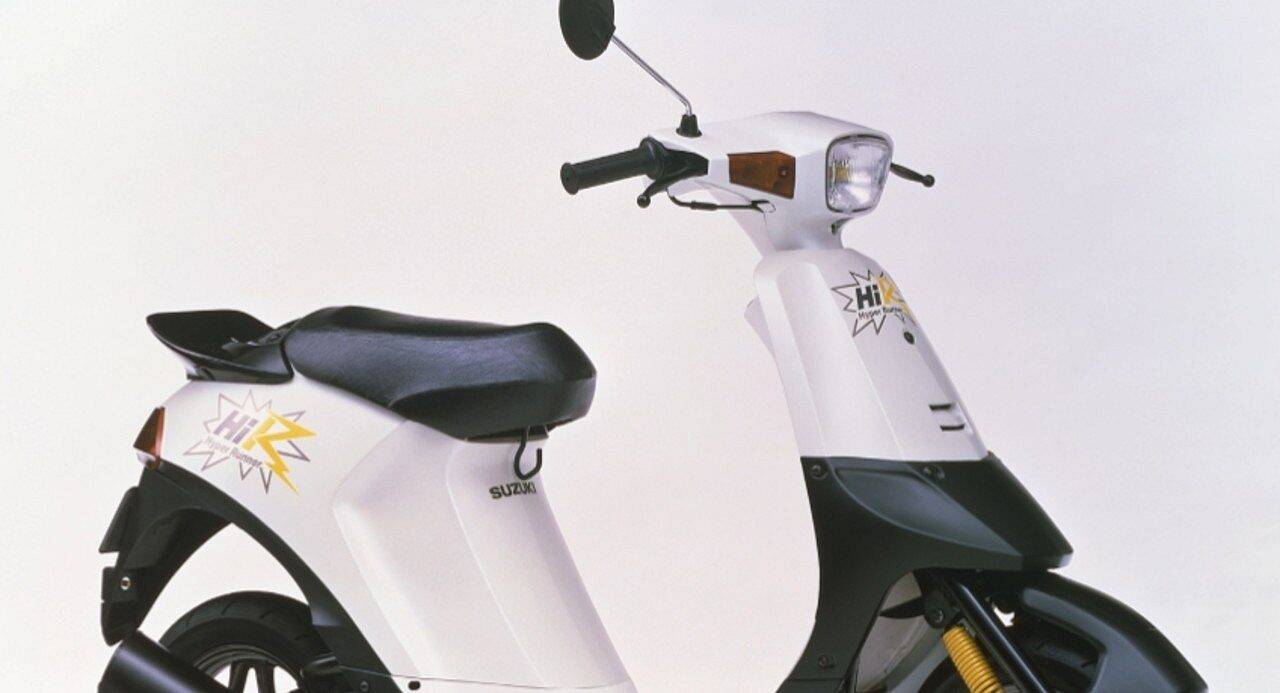
Moto Champ Scooter Meeting 2026 reached its 26th edition, consolidating itself as one of the main stages for creative engineering and customization of high-performance mopeds. Entre the various projects presented this year, an Suzuki Hi-R modified by owner Anikō Bonsai-gō captured the attention of enthusiasts and experts due to its mechanical complexity and aesthetic refinement. The vehicle not only presents an imposing appearance, but carries a technical configuration that challenges the conventional limits of urban scooters by integrating components from competition motorcycles.
The construction of this example involved meticulous work adapting the chassis and engine to support the desired increase in power. Key technical highlights of the project include:
- Installation of a crankcase from a Address 110 to accommodate the new transmission.
- Adaptation of an original cylinder from a Honda RS125, a model developed exclusively for tracks.
- Redesigned cooling and exhaust system to guarantee the durability of the mechanical assembly.
- Use of Honda Zoomer front suspension components to improve directional stability.
Technical preparation and hybrid powertrain
The heart of this Suzuki Hi-R is an example of mechanical hybridization aimed at maximum performance in drag races and exhibitions. The choice of cylinder in the competition Honda RS125 allows the engine to reach high revs, transforming the dynamic behavior of the original scooter into something comparable to larger displacement motorcycles. Para support this change, the Address 110 crankcase was transplanted with precision, allowing a solid base for mounting the new peripherals and the speed variation system.
The harmony between components from different brands requires fine tuning of carburetion and ignition, ensuring that torque delivery is linear and efficient. Especialistas present at the event highlighted that the integration of a track engine into a scooter chassis requires specific structural reinforcements to prevent twisting during sudden accelerations. The end result is a vehicle that combines the characteristic agility of the Suzuki with the brute strength of the Honda competition machines.
Braking system and front suspension
To control the power generated by the new propellant, the braking system received a significant upgrade with radial mounting technology. The front of the machine is equipped with 4-piston brake calipers, mounted on a radial support that offers greater rigidity and precision during decelerations. Esse set works in partnership with a 220 mm NCY floating disk, which helps with heat dissipation and prevents system fatigue in intensive use.
Front stability was guaranteed by the use of suspension forks from Zoomer, known for their robustness and ease of customization. Aluminum wheels Hurricane complement the set, reducing unsprung weight and improving steering response during quick maneuvers. The choice of these components reflects a concern not only with aesthetics, but with the active safety of a vehicle that significantly exceeds factory specifications.
Cockpit and digital technology integration
At the helm, the owner opted for a clean and functional aesthetic, integrating state-of-the-art digital gauges into the original dashboard. The cockpit features the Acewell ACE3693 system, which provides accurate information on engine speed, speed and operating temperatures in real time. The integration was done in order to preserve the visual identity of the Suzuki Hi-R, but offering the pilot crucial data for monitoring high-performance mechanics.
Choosing modern digital equipment allows the user to configure safety alerts, essential for prepared engines that operate close to the tolerance limit. The buttons and controls have been positioned for easy access without compromising the scooter’s classic ergonomics. Esse Balance between the retro look of the 80s and 21st century technology is one of the strongest signatures of this exclusive project.
Douglas Rear Wheel and Tire Setup
The rear of the scooter is dominated by a modified Douglas 6J wheel, which gives the vehicle an aggressive and wide stance typical of high-end custom projects. Using a 6-inch wide wheel on a machine of this size requires modifications to the swingarm and drive belt alignment. The tire chosen was a 120/90-10, which has a slight stretch to adjust to the edge of the wide wheel, guaranteeing a unique look at the 2026 meeting.



To maintain comfort and drivability, the rear shock absorber was replaced by a model from KN Planning with height and spring preload adjustment. Essa part allows the owner to adjust the rigidity of the rear according to the terrain or type of display, preventing the wide wheel from interfering with the rider of the vehicle. The smooth finish of the Douglas wheel contrasts with the exposed mechanical details, creating a visual focal point on the underside of the motorcycle.
Premium finishing details and aesthetics
The aesthetics of Anikō Suzuki Hi-R Bonsai-gō were designed to convey a feeling of speed even with the vehicle static. The painting and polishing of the metals were carried out with professional rigor, highlighting the areas where the competition engine is most apparent to the public. Não There are excess stickers or conflicting colors, following a customization line that prioritizes the quality of the installed components over surface ornaments.
Brake caliper brackets and steel mesh hoses were installed with organized passages, demonstrating care for maintenance and functionality. Cada screw and connection has been reviewed to ensure that vibration from the RS125 engine does not compromise the integrity of the accessories. The result is a machine that shines both for its raw performance and for its obsessive attention to the smallest assembly details.
Importance of Moto Champ Scooter Meeting
Event Moto Champ continues to be a barometer for customization trends in the Asian and international market, influencing builders around the world. The 26th edition showed that the search for larger displacement engines and the adaptation of parts from larger motorcycles to smaller scooters are still on the rise. Projetos and Hi-R of Bonsai-gō serve as inspiration for new enthusiasts who want to create unique and technically advanced vehicles.
The longevity of this annual meeting allows the community to exchange knowledge about machining techniques and part compatibility between different manufacturers. The presence of a diverse audience, from young riders to customization veterans, reinforces the culture of scooters as a versatile platform for technical expression. The Suzuki Hi-R highlighted in this edition sets a new standard for what is expected from a complete preparation in 2026.
Technical evolution of customized scooters
Over the years, scooter modifications have evolved from simple exhaust changes to complete engineering rebuilds like the one seen on this model. The use of radial calipers and advanced digital instrumentation reflects the transposition of technologies from superbikes to the world of small wheels. Essa Sophistication attracts collectors and investors who see these machines as true works of mechanical art that are functional and ready to use.
- Increased demand for high-performance spare parts for classic models.
- Growth of the CNC machining market for creating custom brake brackets.
- Valuing projects that maintain the original silhouette with modern mechanics.
- Development of specific artisanal exhaust systems for hybrid engines.
Future of personalization and security standards
Although the focus is on performance, renowned builders are increasingly paying attention to safety and efficiency standards in new projects. The use of adjustable suspensions and oversized braking systems ensures that the increase in power is accompanied by proportional control of the vehicle. The trend for the coming years indicates an even greater integration of electronic assistance systems, even in older mechanical-based machines.
The success of the Suzuki Hi-R with RS125 engine proves that the limit for customization is only the assembler’s creativity and technical knowledge. By combining high-performance parts with a classic chassis, the owner created a reference that will be studied by other enthusiasts in the coming seasons. The balance between weight, power and aesthetics remains the ultimate goal for those who attend Moto Champ Scooter Meeting.
Veja Tambem em Latest News (EN)

Yuki Yamada posts photo with beard and grimace on Instagram and surprises fans

Costco sees record demand at U.S. gas stations with lower prices

Passenger tries to enter cockpit and forces diversion of United Airlines flight to Madison

Astronomer explains white light recorded after meteor falls near volcano in Philippines

Comedian Sakamoto-chan reveals type 2 diabetes remission after lifestyle changes

Avi Loeb says discovery of alien intelligence can unite humanity amid global crises

Police investigate death of Hilde Ann Lynn Helphenstein in room at Rosewood São Paulo

Avi Loeb suggests that dark comet 1998 KY26 could be Soviet probe Phobos 1

Typhoon Chan-mi approaches Okinawa and Amami with strong winds this Tuesday

Bad smell in children’s feet has specific causes and can be controlled by parents

Google releases Android 17 Beta 4.1 for Pixel devices
