
New leak reveals that Nintendo is developing the themed edition of the Switch 2 with a remake of Zelda Ocarina of Time


Recent behind-the-scenes information from the video game industry indicates that the Japanese manufacturer responsible for the line of hybrid consoles is preparing a special version of its next hardware. The data points to the development of a thematic edition focused on the The Legend of Zelda franchise, which would accompany the launch of the successor to the company’s current device.
Reports from sources linked to the production chain suggest that the new device will hit the market accompanied by a complete recreation of one of the most acclaimed games in the history of digital entertainment. The project would involve in-depth graphical and technical modernization, tailored to demonstrate the capabilities of the new processing system.
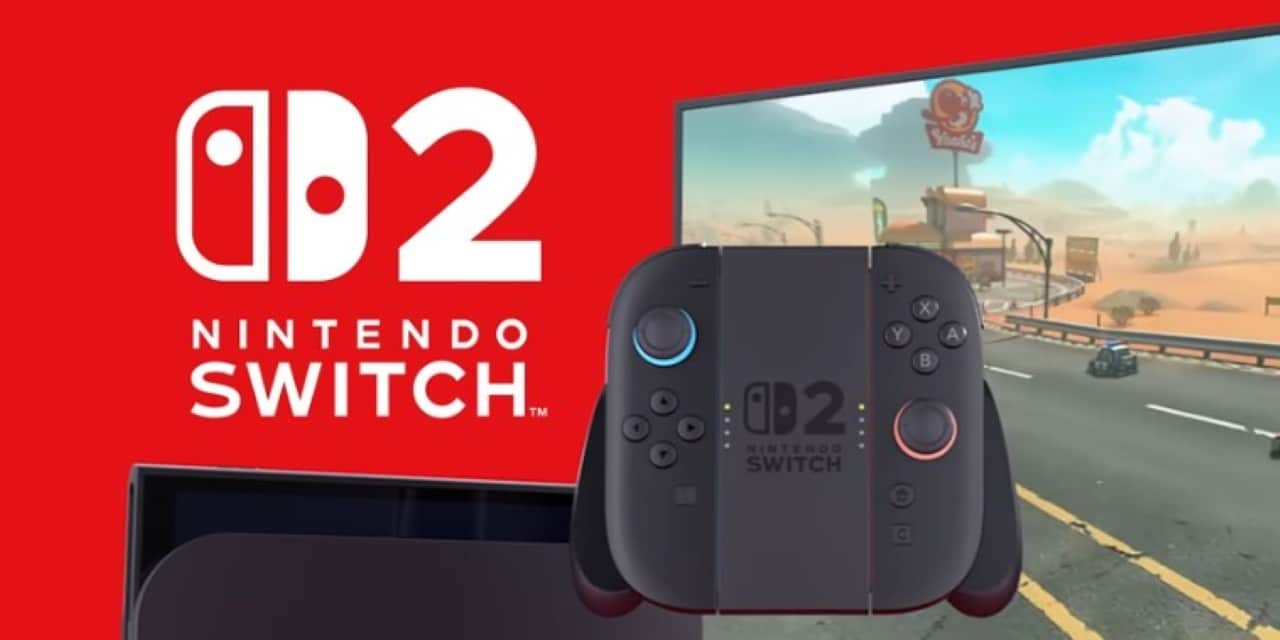
To date, the Asian corporation maintains its standard policy of not commenting on rumors or speculation about unannounced hardware. The posture of secrecy is part of the company’s usual conduct before formal presentations aimed at shareholders and the consumer public.
Japanese manufacturer’s commercial strategy
The creation of special editions of consoles represents a consolidated financial tactic in the video game market. Versões with exclusive design usually attracts both new buyers and collectors who already own the standard model of the device.
In the current device lifecycle, the company has released several variants based on its most successful intellectual properties. Franquias as well as Mario, Pokémon and Animal Crossing received specific visual treatments on the housing and equipment controls.
The Zelda series itself was recently used to boost sales of the OLED model of the hybrid console. The special edition released in conjunction with the title Tears of the Kingdom featured gold details and inscriptions based on the game’s iconography.
Technology industry experts point out that repeating this strategy when launching new hardware ensures a robust initial install base. The association of new equipment with a major brand reduces the risks inherent in the transition between console generations.
The historical weight of the classic title
The original game mentioned in the leaks was released in 1998 for the company’s 64-bit system. The work is widely recognized for having established standards for navigation and combat in three-dimensional virtual environments, influencing software design for decades.
On platforms for aggregating scores and evaluations from specialized critics, the title maintains the highest position in the history of the medium. A recreation of this caliber carries the responsibility of updating old mechanics without distorting the original experience that defined a generation of consumers.
Movements in the console sector
The global entertainment hardware market is going through a period of readjustment, with major manufacturers looking for ways to maintain audience engagement. The Japanese brand’s current device has already surpassed the mark of 140 million units sold, approaching the end of its primary sales cycle.
The introduction of a new system requires a software catalog capable of justifying the financial investment by users. Títulos big-budget vendors, known as “system sellers,” are key to establishing the commercial viability of a newly launched platform.
Direct competitors in the interactive technology segment are also preparing updates to their own ecosystems. Nesse scenario, offering nostalgic and highly sought-after intellectual property works as an immediate competitive differentiator on retail shelves.
Technical details speculated by analysts
Professionals monitoring the Asian supply chain report that the upcoming device will maintain the hybrid nature, allowing for use on both televisions and in portable mode. Unofficial specifications indicate the presence of updated components capable of supporting modern rendering technologies such as ray tracing and artificial intelligence image resizing. Essas technical additions would provide a significant visual leap compared to the hardware released in 2017.
A recreation of the adventure classic would directly benefit from these new processing capabilities. The technical expectations revolve around high-resolution textures, three-dimensional models remade from scratch and a dynamic lighting system that modernizes the game’s atmosphere without losing its artistic identity. Frame rate fluidity and reduced load times are also technical factors that developers prioritize in software modernization projects.
History of advance information in the industry
The video game development ecosystem has become complex and globalized, making it difficult to maintain industrial secrets for long periods. Vazamentos frequently occur through patent registrations, indicative classification in government agencies in different countries, or through employees of third-party assembly plants located in Ásia. Quando hardware enters the mass production phase, design schemes and component specifications often circulate in specialized forums and investor networks. Embora companies implement strict confidentiality agreements, the vast network of parts suppliers, retail distributors and partner studios creates multiple vulnerabilities in the flow of information. In the past, precise details about the current hybrid console and its hardware revisions were released on the internet months before official announcements from the Japanese parent company, lending a degree of credibility to current reports about the new system and its initial catalog.
Expectations of investors in the technology sector
The financial market closely follows the manufacturer’s movements, as the hardware transition represents the moment of greatest risk and profit potential for the corporation. The announcement of a product that combines technological innovation with an established brand usually generates stability in the company’s shares on international stock exchanges.
Precedents of recreations in the adventure franchise
The developer has a consistent history of modernizing its classic titles. The 1998 game itself received an updated version for the company’s two-screen handheld console in 2011, which added glasses-free three-dimensional effect and user interface improvements.
Other chapters of the saga also went through similar processes, such as the island adventure originally released in Game Boy, which received a complete recreation with diorama aesthetics in the current system. Esses projects serve to fill gaps in the release calendar while core teams work on unreleased sequels.
Developer ad patterns
The company’s communication with the public occurs mainly through pre-recorded digital presentations, broadcast globally. Esse format allows full control over the message, the pace of revelations and the gameplay demonstration of new software.
Market analysts project that the official reveal of the new equipment will take place at an event dedicated exclusively to the hardware. The presentation of the device, its features and the line of launch games are usually detailed in a window of three to six months before the product arrives in stores.
Software development and system integration
Creating a game that accompanies a console launch requires perfect synchronization between hardware engineering teams and software programmers. The title needs to function as a technological showcase, teaching consumers how to use the device’s new interfaces and controls.
If the modernization project is confirmed, it will represent a substantial internal resource allocation effort. The delivery of a polished product on the first day of sales of the new device is a determining factor in the initial perception of the platform’s quality by press outlets and first buyers.





