
POCO F8 Ultra surpasses Pro in battery and cameras but charges more in detailed comparison

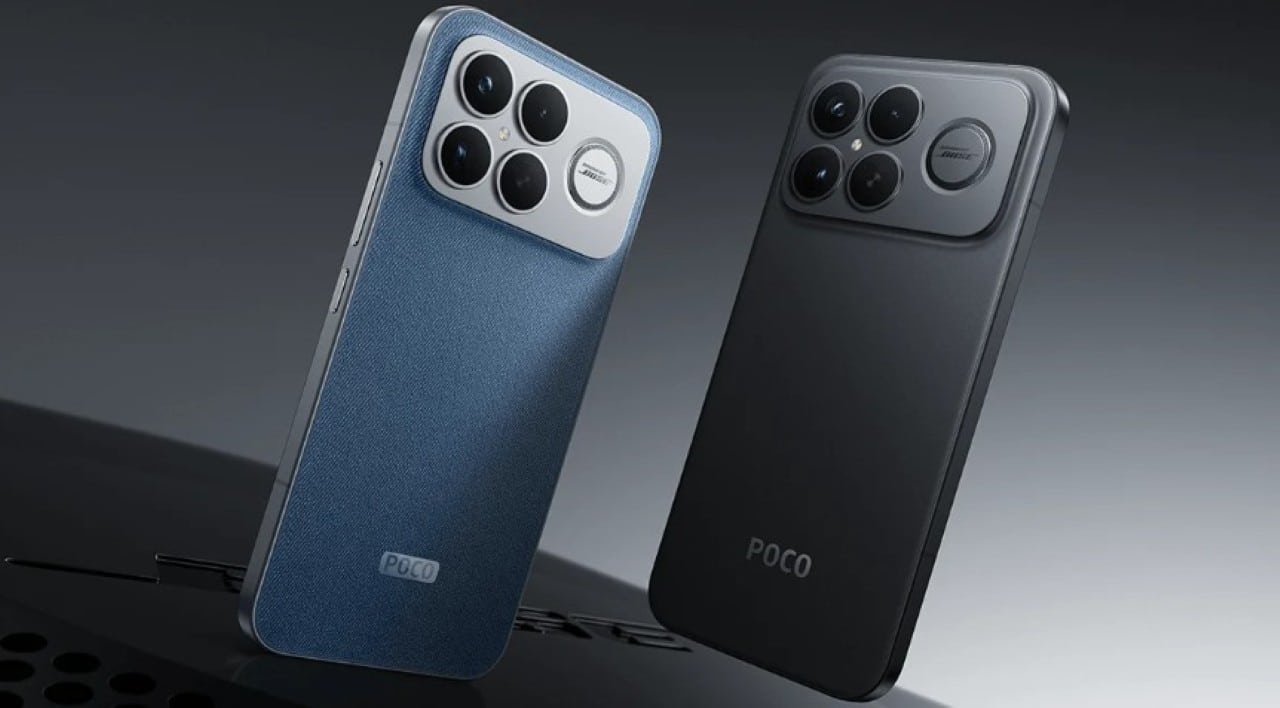
Xiaomi launched the POCO F8 Pro and POCO F8 Ultra models in November 2025 with high-performance configurations. The two smartphones share several premium features, but have clear differences in processor, cameras, battery and dimensions. The dispute between them gains attention from consumers looking for affordable flagships with advanced features.
The POCO F8 Pro stands out for its more compact and lightweight construction, while the F8 Ultra offers improvements in raw performance and photography capabilities. Ambas versions arrive with IP68 certification and Gorilla Glass 7i protection, which guarantees resistance against water and dust in daily use. The devices run HyperOS 3 based on Android 16 with the promise of four major system updates and six years of security packages.
- Aluminum construction with glass back no Pro
- Finish that imitates jeans on the back of the Ultra
- Compact dimensions of 157.5 x 75.3 x 8 mm and weight of 199 grams in Pro
- Measures 163.3 x 77.8 x 7.9 mm and weighs 218 grams in Ultra
Design and construction reinforce premium strength
Both models adopt aluminum sides that give a feeling of quality to the touch. The POCO F8 Pro maintains a traditional glass back, which makes cleaning easier and delivers an elegant look in different available colors. Essa option results in a lighter device, ideal for those who prefer devices that are easy to handle for long periods.
The POCO F8 Ultra has a back finish with a texture that imitates jeans, which helps reduce fingerprints and offers a firmer grip. Apesar Slightly heavier, the model is only 0.1 mm thinner than its brother, maintaining a balance between robustness and portability. The IP68 certification common to both allows submersion of up to 1.5 meters for 30 minutes without damage.
AMOLED screen delivers similar brightness and fluidity
The POCO F8 Pro screen measures 6.59 inches with a resolution of 1156 x 2510 pixels and a refresh rate of 120 Hz. The panel supports HDR10+, Dolby Vision and reaches a maximum brightness of 3,500 nits, which makes viewing easier even in bright outdoor environments. Pixel density reaches 419 ppi, ensuring sharp images in multimedia content.
The POCO F8 Ultra expands the experience with a 6.9-inch AMOLED panel and a resolution of 1200 x 2608 pixels. The 120 Hz rating and identical peak brightness maintain high fluidity in scrolling and gaming, while the larger size favors immersion in videos and browsing. Ambos the displays have Gorilla Glass 7i protection against scratches and light impacts.

Processor defines main performance difference
The POCO F8 Pro comes equipped with Snapdragon 8 Elite, accompanied by 12 GB of RAM and options of 256 GB or 512 GB of internal storage. Esse set delivers solid performance in multitasking and demanding games, with cores that reach up to 4.32 GHz in the main. The processor remains among the most efficient Qualcomm for everyday and intensive tasks.
The POCO F8 Ultra receives the Snapdragon 8 Elite Gen 5, which increases the most powerful core clock to 4.6 GHz. Configurations include 12 GB or 16 GB of RAM, which allows better management of simultaneously open applications. Essa advantage appears especially in heavy games and video editing, where the speed gain becomes noticeable.
Cameras show evolution in the photographic set
The rear camera system of the POCO F8 Pro includes a 50 MP main sensor with optical stabilization, a 50 MP telephoto with 2.5x optical zoom and an 8 MP ultrawide. The 20 MP front camera handles video calls and basic selfies well, while 8K recording at 30 fps expands professional capture options.
The POCO F8 Ultra improves the set with a 50 MP main aperture and a more capable sensor, a 50 MP periscope telephoto with 5x optical zoom and a 50 MP ultrawide. The front camera rises to 32 MP, improving details in self-portraits. Ambos shoots in 8K at 30 fps, but the Ultra gains greater versatility in distant zoom photography.
- Main with OIS on both models
- Optical zoom increased to 5x on Ultra
- Higher resolution ultrawide on top model
- 8K recording common to both devices
Battery and charging prioritize extended autonomy
The POCO F8 Pro battery has a capacity of 6,210 mAh and supports 100W fast wired charging. Esse set offers good duration in mixed use, with a full recharge in a few minutes for those who need quick energy during the day. The processor’s efficiency helps optimize consumption in light tasks.
The POCO F8 Ultra increases the capacity to 6,500 mAh and maintains 100W charging, but adds support for 50W wireless charging. Essa combination results in superior battery life, especially on days of heavy use with gaming or streaming, and offers extra convenience for users who prefer wireless chargers.
Extra features and connectivity stay up to date
Both smartphones include Wi-Fi 7, 5G, NFC, full GPS, stereo speakers and ultrasonic fingerprint reader under the screen. The POCO F8 Pro operates with Bluetooth 5.4, while the Ultra advances to version 6.0, which improves stability in wireless connections and reduces latency in accessories. The infrared present in both allows control of domestic appliances.
HyperOS 3 features a fluid interface with integrated artificial intelligence features for performance and photography optimization. The promised updates guarantee device longevity, maintaining security and software updates for years. Esses Common elements reinforce the positioning as complete options in the flagship segment.
Prices guide choice according to available budget
The POCO F8 Pro appears in retailers with prices in the range of R$3,950, which makes it attractive for those looking for flagship performance without spending a lot. Essa position allows access to a quality screen, robust battery and competent cameras at a more controlled cost. The model balances features without compromising core experience.
The POCO F8 Ultra is found for around R$5,050 in promotions, reflecting improvements in the processor, cameras and battery with wireless charging. The difference justifies the investment for users who prioritize maximum performance and photographic versatility. The final decision depends on how much the consumer values each specific improvement.





