Sony Xperia 1 VIII leak reveals square camera and borderless front design for the market
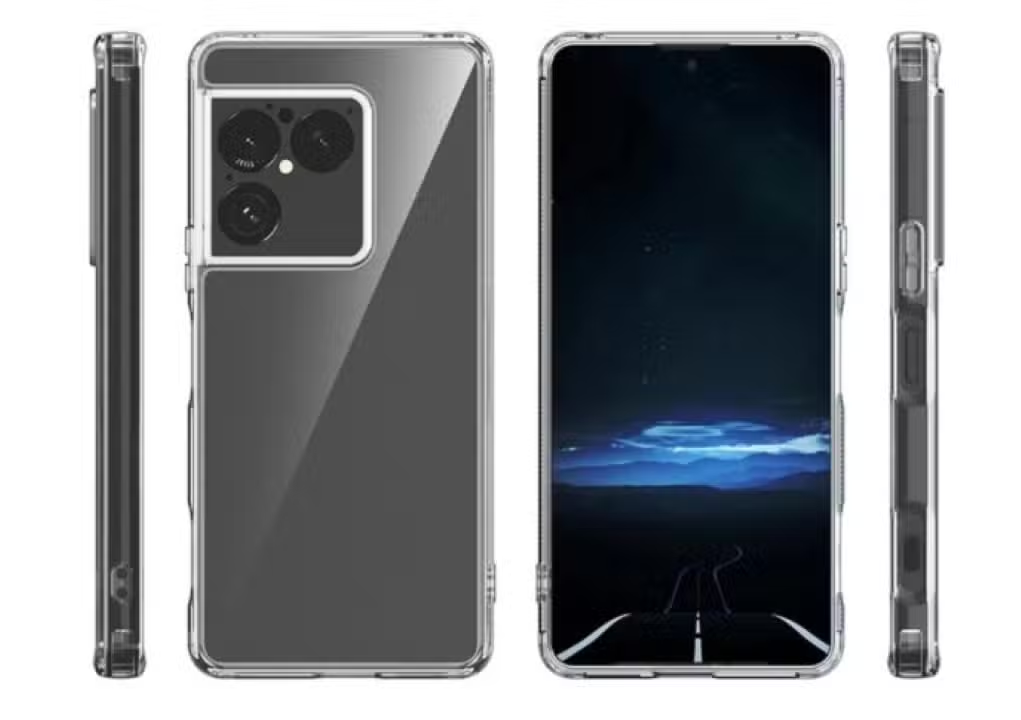
The Japanese manufacturer is preparing a profound visual overhaul for its next generation of high-performance mobile devices. Imagens recent releases on the internet detail the new physical appearance of the Asian brand’s top-of-the-line device. The model abandons aesthetic features maintained for years in favor of a modern approach aligned with current trends in the technology industry.
The changes indicate an attempt to attract a wider audience and renew consumer interest in the company’s portfolio. The strategy involves modernizing the front panel and completely restructuring the rear photographic module. The device seeks to compete directly with the main competitors in the mobile phone industry, offering an updated look without sacrificing functionality.
Sony Xperia 1 VIIIからインスピレーションを得たようです 😅pic.twitter.com/h3MbxJc92K
— テック・アルティメイタム (@TechieUltimatum)2026年4月2日
The leak exposes prototypes and high-fidelity renderings that confirm rumors circulated in recent months about the production line. The change in format aims to optimize internal space for advanced components and improve the ergonomics of the equipment. The company relies on high-quality materials to justify the product’s positioning in the competitive consumer electronics sector.
New rear photo module
The most notable design change occurs at the rear of the equipment, with the transition to a square-shaped camera block. The company used a vertical pill-shaped arrangement in previous generations, a hallmark of its more expensive line of devices. The new configuration brings the device’s appearance closer to the standards adopted by other technology giants when assembling their sensors.
The square module houses three different photographic sensors and an LED flash strategically positioned to optimize lighting in dark environments. The physical restructuring allows the inclusion of larger lenses and image sensors with greater natural light capture capacity. The revised internal arrangement also facilitates the dissipation of heat generated when recording high-resolution videos and long exposures.
The aesthetic change divides opinions among brand enthusiasts, who valued the unique visual identity of the models launched in previous years. The manufacturer argues that the new geometric arrangement offers significant technical advantages for image processing and optical alignment. The square shape ensures greater physical stability for the advanced components integrated into the phone’s metal chassis.
Front panel and edge elimination
The front of the device features a screen that occupies practically the entire available surface, eliminating the traditional top and bottom edges. The manufacturer resisted the adoption of notches or holes in the screen for a long time, preferring to maintain symmetrical frames to house the front camera and stereo speakers. The new approach maximizes viewing area and modernizes the overall appearance of the device for media consumption.
The selfie camera is now integrated directly into the display panel, using glass perforation technology. Adopting the borderless design requires the relocation of proximity and brightness sensors below the main display. The proportion of the screen in relation to the device’s body reaches unprecedented levels for the company’s product line, optimizing the physical size of the device.
Continued partnership in optical development
The collaboration with renowned lens manufacturer Zeiss remains one of the pillars of the brand’s new high-performance smartphone. The partnership ensures that special coatings are applied to the glass elements to reduce unwanted reflections and improve the accuracy of captured colors. The device remains focused on attracting professional photographers and visual content creators who require reliable portable equipment.


The camera system offers advanced manual controls through a dedicated app that simulates the interface of professional dedicated cameras. Users have access to precise adjustments for exposure, shutter speed, white balance and manual focus right on the screen. The integration between optical hardware and processing software aims to deliver superior results in any lighting condition.
The main lens features enhanced optical image stabilization and high-speed phase detection autofocus for moving subjects. The photography set includes an ultra-angle lens for capturing wide landscapes and a telephoto lens with variable optical zoom. The versatility of focal lengths allows adaptation to different photography and filming scenarios without losing digital quality.
Video recording supports full resolution at high frame rates, as well as flat color profiles for easy grading in post-production on computers. The device incorporates high-sensitivity microphones for directional audio capture and ambient noise reduction in external recordings. The manufacturer positions the equipment as a complete tool for independent mobile audiovisual production.
Processing performance and cooling system
The inside of the device houses the most recent and powerful mobile processor available on the current semiconductor market. The latest generation chip offers significant improvements in central processing speed and graphics capabilities compared to the previous version of the device. The advanced component architecture ensures fluid execution of demanding applications, graphics-intensive games, and artificial intelligence-intensive tasks. The energy efficiency of the processor contributes to extending battery life during daily use, also supporting high-speed charging. The device has generous random access memory options and high-speed internal storage for reading and writing data.
The high performance of the processor requires an efficient thermal management system to avoid overheating and the consequent reduction in operating speed. The manufacturer implemented an enlarged vapor chamber and aerospace-grade heat dissipation materials in the internal structure of the device. The cooling mechanism distributes temperature evenly across the metal and glass chassis, maintaining stable performance even during long sessions of intense use. Advanced thermal engineering protects internal components from premature degradation and ensures user comfort when holding the device for extended periods.
Commercial positioning and added value
The new smartphone’s pricing strategy reflects its positioning in the ultra-premium segment of the international mobile phone market. The device incorporates high-cost construction materials such as corrosion-resistant metal alloys and state-of-the-art drop and scratch protection glass. The final value of the product reaches high levels, costing several times the current minimum wage of R$1,621, which restricts it to a specific niche of consumers with high purchasing power and professionals in the audiovisual sector. The manufacturer justifies the financial investment through the delivery of exclusive technologies, professional-level screen calibration and high-fidelity audio features with support for lossless formats. The commercial focus is aimed at users who demand productivity and content creation tools without compromises in terms of build quality and raw performance. The company seeks to consolidate its presence in the technological luxury market, prioritizing the profit margin per unit sold to the detriment of the total volume of mass sales. The selective sales approach aims to strengthen the perception of exclusivity and prestige associated with the brand among the specialized public.
Expectations for the official announcement
The official launch of the equipment is scheduled to take place during the first half of the year, following the manufacturer’s usual renewal schedule. The presentation must detail all technical specifications, exclusive software features and the availability of the product in different commercial regions across the globe. Expectations revolve around confirmation of suggested retail prices and possible variations in colors and storage capacities offered.
Visual display technology
The display panel uses cutting-edge OLED technology to deliver absolute contrast levels and deep blacks at any viewing angle. Factory calibration ensures faithful reproduction of the color space required by image and video editing professionals in studios. The screen supports high refresh rates to ensure fluid operating system animations and web page scrolling.
The maximum brightness of the display has been substantially increased to make it easier to view content in direct sunlight in outdoor environments. The front protective glass features improved resistance against impacts and daily scratches, increasing the overall durability of the device against accidents. The built-in image processing engine optimizes the sharpness and clarity of videos played on the device in real time.
Veja Tambem em Latest News (EN)

Park Mi-sun returns to TV after battle with breast cancer

Hiroshima Carp confirm Tokoda against Nippon Ham on the 3rd after game postponed by rain

Older, poorly maintained vehicles face problems when using E10 gasoline

Heavy rain and storms hit 17 Indian states this Tuesday with warning from IMD

Claude down in global outage and Anthropic confirms errors in models

Typhoon No. 6 Chanmi approaches southern Kyushu and advances to eastern Japan

Seibu Lions have game canceled due to typhoon and schedule Kaima Taira for the 4th against Hanshin Tiger

Facebook whistleblower, Sarah Wynn-Williams, complies with Meta’s order and remains silent at event in the United Kingdom

Romantic comedies and mysteries arrive on Netflix in June with Office Passion and Oasis

Uruguay announces squad list for the 2026 World Cup with six Brazilian football players

When does the 2026 World Cup start? Date, time, first game and opening ceremony