
Super El Niño threatens to break heat records and change global climate in 2026


Monitoring of the waters of tropical Oceano Pacífico indicates the imminent formation of a major climate phenomenon in the coming months. Especialistas in meteorology warn that the development of a super El Niño could redraw climate maps on a global scale, intensifying extreme heat events and altering rainfall regimes. The forecast indicates that the cycle should gain strength between the end of summer and the beginning of autumn, bringing direct consequences for the economy and environmental security.
The intensification of warming in the equatorial region of Pacífico is the main trigger for the atmospheric changes recently observed by research centers. The phenomenon occurs when ocean temperatures remain significantly above the long-term average, affecting trade wind circulation. Esse coupling between ocean and atmosphere generates a cascade effect that alters the distribution of moisture, causing severe floods in certain latitudes and prolonged droughts in other continental regions.
The technical characteristics that define this event exceed the basic criteria used by international climate monitoring agencies. Enquanto a conventional El Niño is declared with an increase of 0.5 degrees Celsius in surface waters, the “super” category requires a warming of more than 2 degrees Celsius. Modelos European and North American computations converge on the probability that this edition of the phenomenon will reach thermal plateaus rarely seen in the history of modern meteorology.
Technical criteria and the impact on ocean currents
The abnormal warming of subsurface waters in the western Pacífico is moving eastward, where thermal energy emerges and interacts with the troposphere. Esse process weakens the winds that normally blow from east to west, sometimes reversing the direction of air masses close to the equator. The phenomenon results in a displacement of intense precipitation zones, which removes moisture from traditionally rainy areas and concentrates it in regions vulnerable to flooding.
Administração Nacional Oceânica and Atmosférica highlights that early identification of these variations allows risks to be anticipated in various strategic sectors of civil society. The accuracy of the data collected helps to mitigate losses in agricultural production and in the management of water resources, which are essential for human and industrial consumption. Furthermore, the phenomenon directly interferes with marine ecosystems, affecting commercial fishing and causing the bleaching of coral reefs in tropical waters.
- Systematic change in global wind patterns.
- Increased frequency of heat waves in urban areas.
- Geographic redistribution of low and high pressure zones.
- Temporary rise in sea level in specific coastal regions.
Expected effects on América of Sul and América of Norte
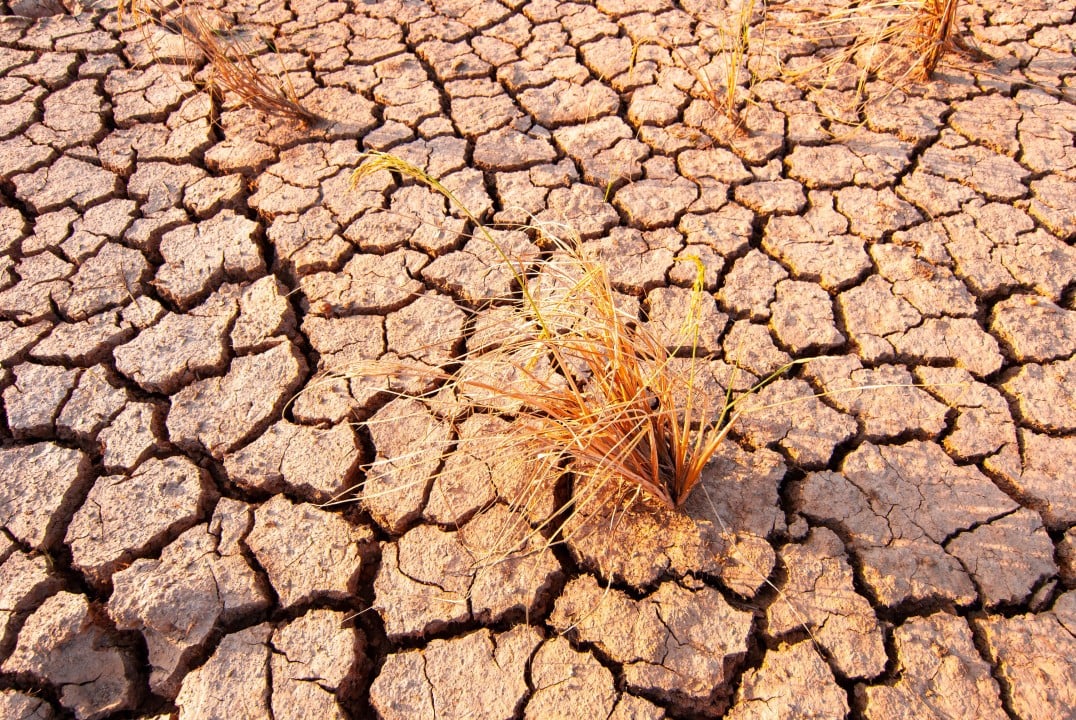
The arrival of super El Niño tends to cause a significant increase in rainfall in the southeastern region of the American continent during the winter months. Simultaneamente, América north of Sul, including vast areas of the Amazon rainforest, faces an elevated risk of severe drought and forest fires. Essa climate dichotomy requires public managers and civil defense agencies to establish contingency plans to deal with opposite extremes of humidity in a short space of time.
In Estados Unidos, the expectation is that the phenomenon will intensify the passage of storms along the west coast and the southern part of the country. Increased wind shear in Atlântico’s upper atmosphere could, on the other hand, inhibit the formation of devastating hurricanes during the tropical storm season. Esse dynamic balance between different ocean basins demonstrates the complexity of climate interactions governed by the warming of equatorial Pacífico waters.
Temperature records and the future of global warming
The release of heat stored in the oceans into the atmosphere during high-intensity events drives annual thermal averages to record levels. Meteorologistas predict that 2026 and 2027 could become the hottest years on record since instrumental measurements began in the 19th century. Esse jump in global temperatures acts as a temporary accelerator of anthropogenic global warming, creating a scenario of thermal stress for biodiversity and human populations.
The last major comparable event occurred between 2015 and 2016, leaving a trail of heat records that lasted for years before being surpassed recently. The persistence of warm waters in Pacífico for a prolonged period prevents the planet from recovering its usual thermal balance in short cycles. Portanto, the transition to a new level of temperatures seems inevitable if the current projections of global climate models are fully confirmed in the coming months.
Predictability and uncertainties in meteorological models
Although the data points to an event of great magnitude, there is still a margin of uncertainty called spring forecast barrier by scientists. Projections made at this time of year tend to show greater variations than those made during autumn or winter. However, the consistency of the signals observed beneath the ocean surface reinforces the thesis that the climate system is accumulating enough energy to sustain a long-lasting phenomenon.
Continued vigilance by weather centers is essential to update short- and medium-term forecasts as the cycle develops. Data collection by ocean buoys and satellites provides the necessary basis for mathematical models to refine the areas of greatest potential impact. International collaboration between space agencies and research institutes ensures that information reaches productive sectors early enough for operational adjustments.
The climate changes induced by super El Niño are not restricted to temperatures alone, they also affect global public health. The displacement of hot, humid air masses can favor the spread of vector-borne diseases in regions that were previously considered unsuitable for such pathogens. Assim, the climate phenomenon acts as a catalyst for socioeconomic challenges that transcend national borders and require coordinated responses at a global level.





