Capcom plans release of Resident Evil 9 and 10 with new remakes to expand horror franchise

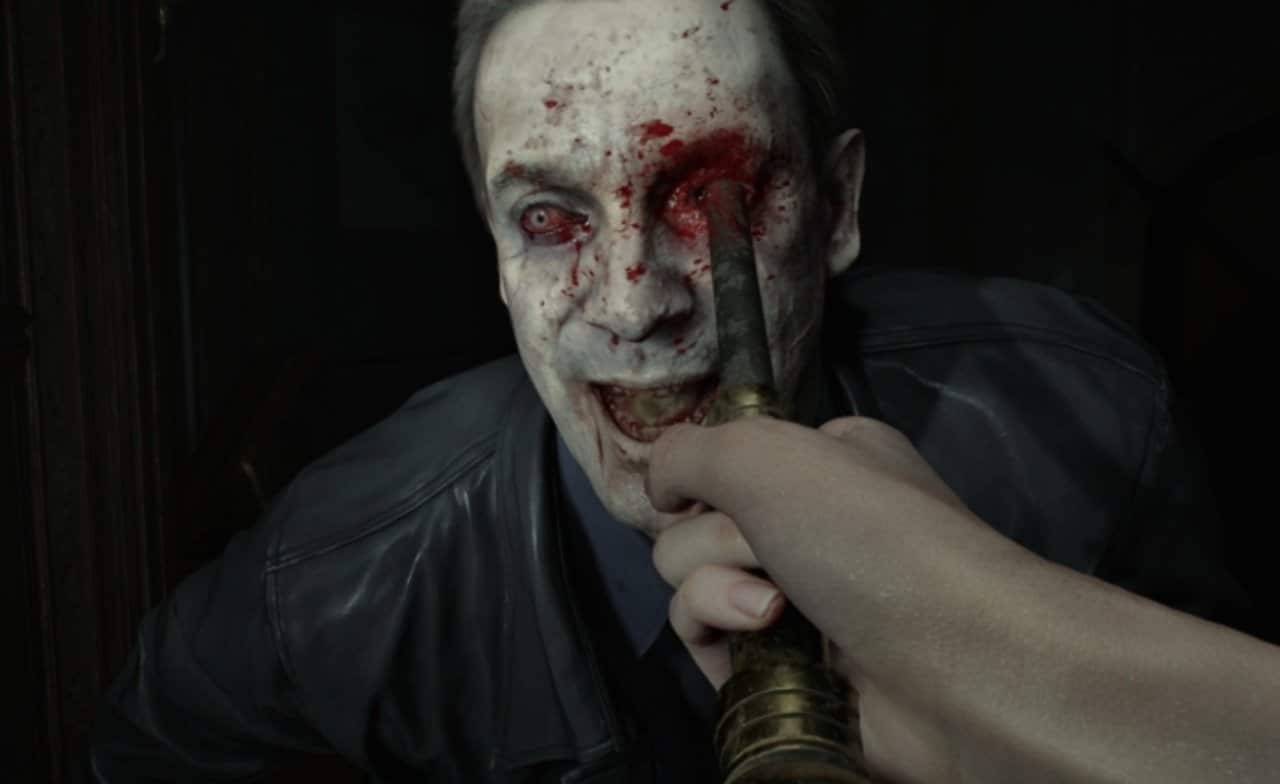
The electronic game producer and developer responsible for one of the biggest survival and horror series on the market has established an aggressive schedule for the coming years. Internal strategic planning points to the continuity of the main franchise, with the simultaneous development of new, unreleased chapters and the recreation of classic titles that marked previous generations of consoles. The move aims to consolidate the brand’s presence in the digital entertainment sector and maintain an active consumer base.
The corporation’s focus is to avoid long periods of hiatus between big-budget releases. To achieve this goal, the development structure was divided into multiple teams that work in parallel, allowing the production of one game not to interfere with the progress of the other. Essa industrial approach ensures that the market receives constant news, sustaining public interest and the electronic games division’s cash flow.
Documents and behind-the-scenes information indicate that the strategy will extend until the end of the current decade. The intention is to create an ecosystem where players move naturally between the nostalgic experiences offered by the modernized versions and the mechanical innovations introduced in the numbered sequels, strengthening the value of intellectual property on a global scale.
Continued development of new titles in the main franchise
The transition from the eighth to the ninth and, subsequently, to the tenth chapter of the main series has already been mapped out by the company’s management. Centenas of specialized professionals, including programmers, artists and level designers, have been allocated to ensure that internal deadlines are met without compromising the technical quality required by today’s high-performance gaming market.
The investment in the workforce reflects the commercial importance of the franchise, which represents a significant portion of the developer’s annual revenue. Maintaining a predictable launch calendar is essential for the financial projections presented to shareholders and investors in the technology sector.
Technological update with proprietary graphics engine
The entire process of creating new projects is supported by an updated version of the company’s proprietary graphics engine. The software tool has been enhanced to handle larger and more complex virtual environments, enabling photorealistic rendering that extends the visual and audio immersion required for the horror genre.
Optimizing this internal technology also facilitates the process of converting games to different hardware platforms, from the latest desktop consoles to high-performance computers. Graphic engine standardization reduces operating costs and speeds up production time for each new title.
Return of classics with modern recreations
In parallel with new games, the strategy of recreating works from the past continues to be a central pillar. Títulos originally released in the early 2000s were selected to receive a complete visual and mechanical treatment, adapting them to contemporary gameplay standards.
Among the projects in progress, the modernizations of adventures that explore the origins of biological contamination and parallel stories of iconic characters stand out. Essas recreations will ditch the fixed camera angles of the past in favor of an over-the-shoulder third-person perspective, a standard set by the company’s own recent commercial successes.
In addition to the graphical redesign, the original scripts will undergo revisions to ensure greater narrative cohesion with the events of the most recent games. The intention is to eliminate inconsistencies in the series’ timeline and offer a unified narrative experience for players who have followed the saga since the beginning.
Innovations expected for the ninth chapter of the series
The ninth numbered game in the franchise promises to introduce substantial changes to the traditional exploration and survival formula. Informações Preliminaries suggest the adoption of more open settings, moving away from the linear corridors and claustrophobic mansions that have defined the series’ identity for decades.
This geographic expansion will require new navigation and resource management mechanics, forcing players to adopt different tactics to deal with biological threats. Enemy artificial intelligence is also being rewritten to adapt to large environments, making confrontations more dynamic and unpredictable.
The setting of the new title must explore new locations, expanding the series’ mythology to regions not yet documented in the franchise’s archives. The introduction of new factions and corporations involved in bioweapons research will serve as a driving force for the main narrative.
Audio design will play a crucial role in building tension in these new environments. The sound team works with spatial audio technologies to ensure that every noise in the scene serves as an indicator of danger, compensating for the loss of visual claustrophobia with an oppressive sonic atmosphere.
Long-term planning for the tenth game
The tenth chapter of the series is being designed with an estimated release window for the end of the decade, possibly around the year 2029. Este title carries the responsibility of acting as a culmination point for narrative arcs that have been built over more than thirty years of the franchise’s history. The team of writers works with the aim of bringing together the main surviving protagonists in an event on a global scale, resolving loose ends and offering a satisfactory outcome to the current phase of the fictional universe, before an eventual complete restructuring of the brand.
To make a project of this magnitude viable, the pre-production phase has already begun, focusing on the creation of art concepts and the definition of the technologies necessary to support the directors’ vision. The complexity of managing multiple playable characters, each with their own mechanics and interconnected campaigns, requires rigorous logistical planning. The company seeks to balance the nostalgia demanded by veteran fans with the accessibility needed to attract new consumers, ensuring the tenth game is a commercial and critical milestone in the history of digital entertainment.
Expansion of intellectual property across multiple media
The brand’s growth strategy is not limited exclusively to the development of interactive software. The corporation maintains a department dedicated to licensing intellectual property for the production of films, television series on streaming platforms and a wide range of consumer products. Essa transmedia expansion aims to keep the franchise in constant pop culture spotlight, even during months when there are no scheduled game releases. Audiovisual adaptations, whether in graphic animation format or with real actors, are supervised by producers from the games division to ensure that the visual identity and core elements of survival horror are respected. Esse product ecosystem generates additional sources of revenue and acts as a massive marketing tool, attracting casual viewers to consume electronic games and feeding back into the series’ popularity cycle across different demographics around the world.
Market strategy and community engagement
The financial sustainability of this business model is based on the consistent delivery of high technical quality products that meet the expectations of a demanding fan base. Monitoring community reactions and quickly adapting to technology market trends ensures the franchise’s longevity in the competitive electronic gaming sector.