New beta version of the iOS system postpones artificial intelligence features in the Siri assistant

The Cupertino technology giant has released the first phase of testing for developers of the latest update to its mobile operating system. The software package brings security fixes and interface tweaks, but leaves out long-awaited innovations based on large-scale language models aimed at voice interaction.
Users and programmers who installed the preliminary version noticed that the devices’ native virtual assistant maintains the same operating structure as previous generations. The absence of autonomous processing and deeper contextual responses indicates a change in the electronics manufacturer’s internal development timeline.
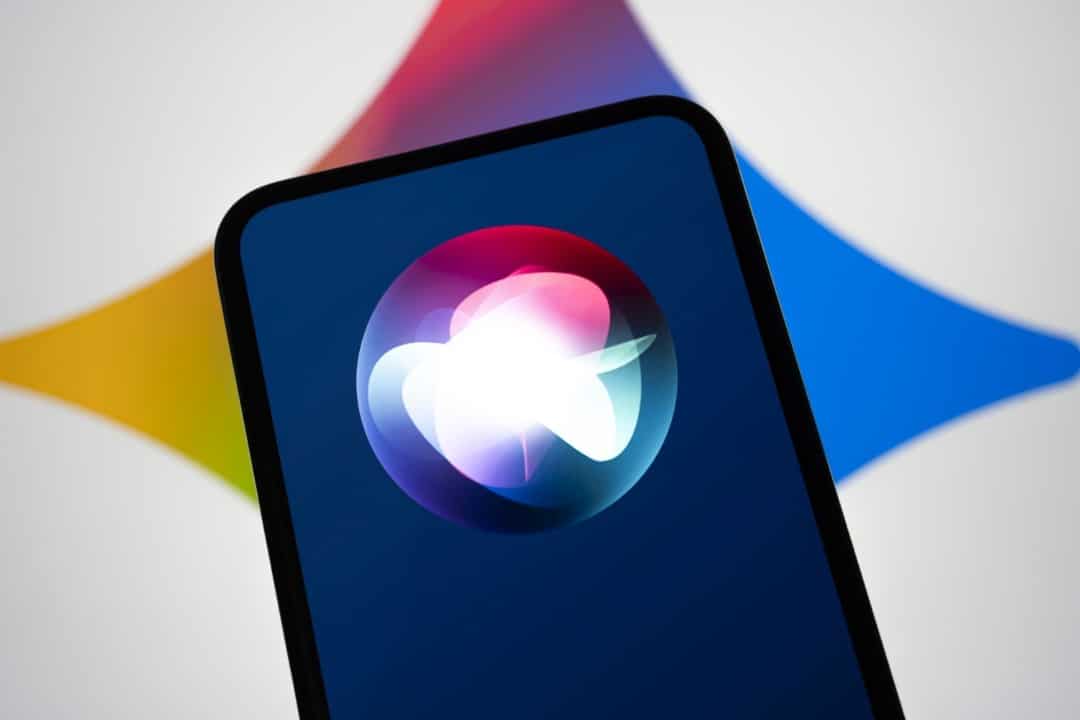
The technology market projected that this specific update would serve as the initial milestone for transforming the interface into an advanced conversational agent. The decision to delay these tools highlights the technical challenges of implementing complex data processing directly into cell phone hardware without compromising overall performance.
Technical details and adjustments to the software infrastructure
The engineering team responsible for the mobile ecosystem focuses its efforts on stabilizing the base architecture before introducing features that require high neural processing power. The integration of deep networks demands rigorous optimization of device battery consumption and RAM memory management, critical factors for the daily usage experience.
Information security experts point out that the manufacturer’s caution is directly linked to the protection of consumers’ personal data and the integrity of the operating system. Diferente of platforms based entirely on the cloud, the company’s proposal involves carrying out the majority of machine learning operations locally, reducing dependence on external servers, mitigating the risk of leaks of sensitive information and ensuring quick responses even in areas with low network connectivity.
To understand the priorities of this testing phase, it is necessary to observe the structural modifications implemented in the system’s source code. Preliminary analyzes of the update package reveal that engineers focused on preparing the ground for future implementations by establishing solid internal communication foundations. The main technical changes identified in this build include the following development points:
– Otimização of background communication protocols for native applications.
– Refatoração of audio libraries for faster and more accurate speech recognition.
– Preparação of private APIs aimed at future third-party application integrations.
– Ajustes fines on resource allocation of the neural processor integrated into the latest chips.
Updates to navigation and messaging protocols
Despite the lack of new features in the voice interface, the test suite introduced significant improvements to the native maps application. The tool now has a location suggestion system that analyzes travel history and search trends in the region to anticipate likely destinations directly on the home navigation screen, facilitating the urban mobility routine.
Another relevant technical advance involves the adoption of the RCS communication standard with end-to-end encryption enabled by default in the messaging application. Esta technical implementation resolves historical vulnerabilities in the exchange of texts between different mobile platforms, ensuring that media files and group conversations remain protected against external interceptions during data traffic.
Strategic partnerships and the internal reformulation project
Behind-the-scenes information from the semiconductor industry indicates that the manufacturer is working on an internal project aimed at completely restructuring its voice command interface. The main objective is to replace the current system of programmed responses with a continuous dialogue engine, capable of understanding the context of long conversations and executing chained actions.
To fill short-term technological gaps, advanced negotiations take place for the integration of artificial intelligence models developed by partner companies in the search sector. The use of external generative processing platforms will serve as a support layer for complex queries that exceed the local processing capacity of the device.
This hybrid strategy allows the company to maintain competitiveness in the premium device segment while finalizing the development of its own server infrastructure focused on artificial intelligence. The division of tasks between the user’s hardware and the private cloud is seen as the most viable solution for the current moment in mobile technology.
The telecommunications sector’s expectation is that the architectural details of this new phase will be presented to developers during the company’s annual software conference. The event traditionally serves as a stage for announcing profound technological transitions in the brand’s ecosystem and dictates programming trends for the following months.


Hardware requirements and access to the testing program
Access to the preliminary version of the operating system requires active registration on the manufacturer’s developer portal and acceptance of the confidentiality and risk terms associated with unfinished software. Installing the test package is recommended only for secondary devices, as initial builds often present instabilities in power management, unexpected crashes and incompatibility with banking applications and essential corporate communication tools for everyday life.
The compatibility list covers models released in recent years, starting with line 11 devices, ensuring that a broad base of users can test basic security fixes. However, future advanced neural processing tools will require highly specific hardware components. Apenas devices equipped with the latest generations of processors, which have expanded neural processing units and greater RAM memory capacity, will be able to execute language models natively and without noticeable delays in the interface.
Regulatory adaptations and peripheral synchronization
The development of this version of the operating system also reflects the urgent need to adapt to recent antitrust legislation implemented in the European market, which requires greater openness of digital ecosystems. The software architecture was profoundly modified to allow more open and standardized communication with accessories manufactured by competing companies, breaking historical barriers of the brand’s closed environment. The new code structure makes it easier to pair professional keyboards, health monitors and third-party smart watches via physical and wireless connections, integrating them directly with the phone’s real-time activity monitoring tools. Essa technical flexibility demonstrates a change in the manufacturer’s stance in the face of pressure from international regulatory bodies, which require greater interoperability between different digital platforms to guarantee free competition in the consumer electronics market and offer more choice to buyers.
Movements in the mobile device market
The decision to extend the development cycle of its machine learning tools places the manufacturer in a strategic observation position on the global stage. Enquanto Asian and North American competitors flood the market with advertising campaigns focused on text generation and automated image editing, the company is betting on the loyalty of its user base and the promise of a more mature, integrated implementation free of processing flaws that could frustrate the user experience.
Data privacy and cloud processing
The central pillar of the company’s software development strategy continues to be the absolute protection of information stored on mobile devices. Software engineering works exhaustively to ensure that sending data to external servers, when strictly necessary, occurs in a completely anonymized manner and without retaining conversation histories or behavioral profiles.
The construction of proprietary data centers equipped with internally developed processors is part of the colossal effort to create a highly secure private cloud. Esta Dedicated infrastructure will be responsible for dealing exclusively with the most complex voice requests that require real-time data crossing over the internet, maintaining full control over the flow of information.
The commercial success of the next generation of virtual assistants will directly depend on the transparency with which these remote processing operations are communicated to end consumers. Unshakable trust in the brand is the main asset that the company seeks to preserve during this delicate technological transition towards advanced automation.
Focus on stability and next steps for the sector
The trajectory of software updates throughout the year shows a clear prioritization of operational stability to the detriment of the hasty launch of marketing news. The software quality team maintains a rigorous code validation process to prevent critical failures from affecting the daily lives of millions of global users who depend on their devices for work and communication.
The community of programmers and security analysts will continue to monitor upcoming system builds for code fragments that reveal the gradual activation of the new processing engines. Até Once the infrastructure is fully mature, the voice interaction interface will remain operating within its traditional limits, fulfilling basic automation and control tasks for smart home devices.
Veja Tambem em Latest News (EN)

Heavy rain and storms hit 17 Indian states this Tuesday with warning from IMD

Claude down in global outage and Anthropic confirms errors in models

Typhoon No. 6 Chanmi approaches southern Kyushu and advances to eastern Japan

Seibu Lions have game canceled due to typhoon and schedule Kaima Taira for the 4th against Hanshin Tiger

Facebook whistleblower, Sarah Wynn-Williams, complies with Meta’s order and remains silent at event in the United Kingdom

Romantic comedies and mysteries arrive on Netflix in June with Office Passion and Oasis

Uruguay announces squad list for the 2026 World Cup with six Brazilian football players

When does the 2026 World Cup start? Date, time, first game and opening ceremony

Atlético-MG confirms agreement with defender Léo Duarte after period of prominence in Turkish football

Tiger shark bites 19-year-old girl and rips off her leg in Boa Viagem, Recife

2026 World Cup will have 32 athletes who play in Brazilian football