
New Forza Horizon 6 takes festival to Japan with expanded map and premiere confirmed for May

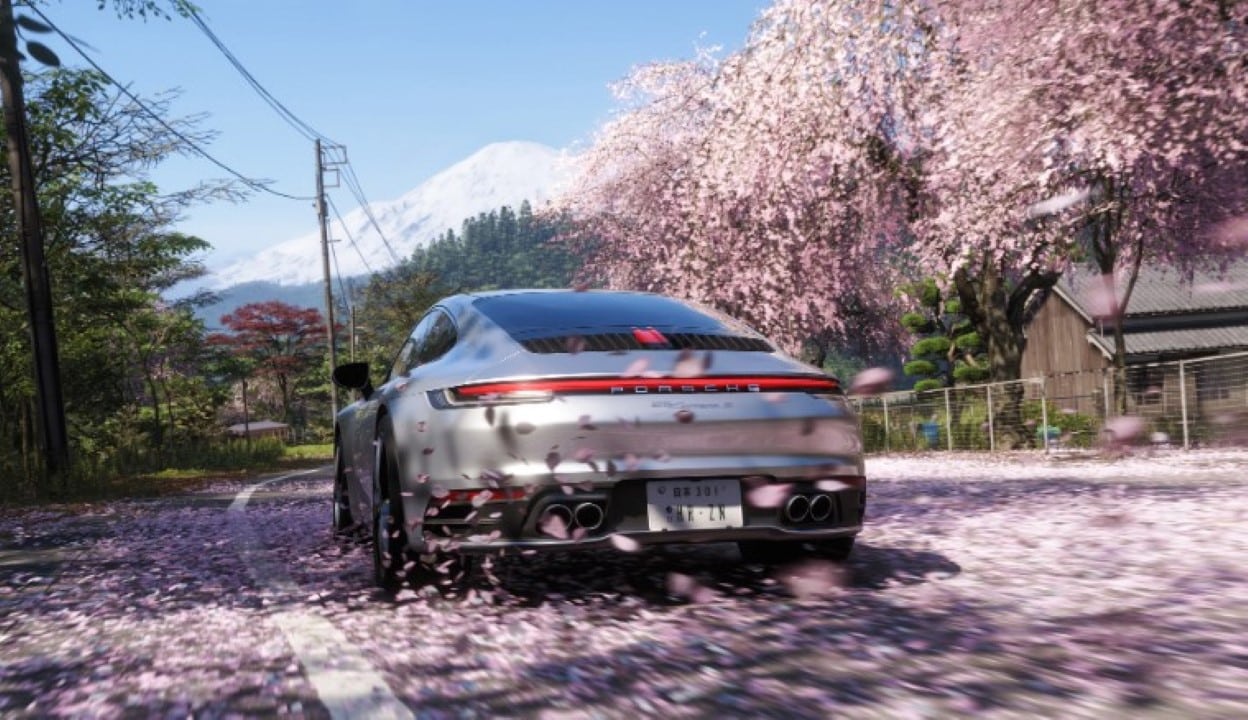
Playground Games officially confirmed the new setting of its main open-world racing franchise. The automobile festival lands in Japanese territory, marking a significant geographic change for the series. The official launch takes place on May 19th for consoles Xbox Series X|S and computers. Consumers who choose to purchase Premium Edition guarantee early access to the servers from May 15th. The developer also assured that a version optimized for the PlayStation 5 is in the production phase, expected to hit the market in the following months.
The title is included in the catalog of Xbox Game Pass Ultimate and PC Game Pass on the first day of sale. The distribution strategy aims to maximize the installed base of active users in the first weeks of operation. The software engineering team prioritized fluid navigation between different climate zones, ensuring that exploration of the new continent occurs uninterrupted.

Recent test sessions have demonstrated a complete overhaul of the topographic structure. The graphics engine has been updated to handle the density of elements present in Asian architecture, keeping the frame rate stable even in high speed situations. The physics of the vehicles received adjustments to respond more realistically to the variations in terrain encountered throughout the journey.
Focus on recreating Asian ecosystems and geographic transitions
The architectural design of the set sets a new record for territorial extension within the franchise. The topography ranges from rural villages adorned by traditional cherry trees to urban density inspired by the bustling districts of Tóquio. The global lighting system calculates the reflection of neon lights in puddles, creating a highly detailed nighttime atmosphere.
Asphalt roads connect snow-covered mountain ranges to coastal regions continuously. Virtual drivers can cross the entire country without having to wait for loading screens between biome changes. Long-distance rendering allows you to view mountains on the horizon and plan travel routes based solely on observing your surroundings.
The road network mixes express highways with dirt trails and forest paths. Pontos of tourist interest and historical monuments appear on the screen in an organic way, encouraging deviations from the routes pre-established by the global navigation system. The density of vegetation physically reacts to the passing of cars, increasing the sensation of speed in rural areas.
Driving mechanics gain organic scoring system on the streets
Executing controlled skidding maneuvers plays a central role in the gameplay on winding highways. The telemetry system evaluates the angle, speed and proximity to obstacles in curves, distributing ratings of one to three stars for the driver’s performance. The score is updated in real time in the corner of the screen.
These skill tests are automatically activated when the vehicle passes specific areas of the asphalt. Eliminating confirmation menus or countdowns keeps the pace of travel uninterrupted during free exploration sessions. The player decides whether they want to take part in the challenge or simply continue their journey.
The mission design intersperses different categories of motorsport on the same route. Competições rally on dirt roads intersect with straights designed for maximum acceleration tests with dragster-type vehicles. The physics of mud and water directly affect tire traction, requiring quick adaptation from the driver.
The transition between relaxed driving and high-intensity contests occurs through the approach of holographic markers. Artificial intelligence adapts local civil traffic so as not to interfere with competitors’ performance during official races, ensuring clean tracks for breaking time records.
Initial catalog features hundreds of vehicles with high visual fidelity
The game’s base garage has more than 550 licensed automotive models digitized with millimeter precision. The collection pays direct homage to Japão’s car modification culture, including everything from classics from past decades to modern engineering prototypes. Cada unit has an independent physics system, altering the steering response according to the weight, traction distribution and aerodynamics of the chassis chosen by the user. The level of interior detail allows you to see how the dials on the dashboard work and the texture of the leather seats.
The audio department captured real engine sounds in closed studios and test tracks around the world. Modifying internal parts, such as exhausts and turbochargers, immediately changes the vehicle’s sound signature on the streets. The virtual workshop allows fine adjustments to the suspension, tire pressure and gear ratios, providing professional tools for players looking to optimize their lap times on closed circuits. The paint editor returns with more layers and decal options, making it easier to share designs with the online community.
Accessibility tools change the dynamics of exploring the scenario
The introduction of the Auto-Drive function represents a significant change in the way we interact with the open world. The on-board computer takes full control of steering, acceleration and braking, allowing the player to simply act as a virtual passenger enjoying the scenery. Durante this autonomous journey, it is possible to activate the cinematic camera or drone mode to capture images of the scene in motion. The photography system operates in real time, without freezing the surrounding action, preserving visual immersion and traffic flow. The tool addresses a growing demand for motor accessibility options in the gaming industry and also serves as a valuable resource for content creators who need to record complex racing angles without losing control of the automobile. The clean interface hides the speed dials, focusing entirely on the visual aesthetics of traveling on Asian highways.
Garage customization creates new spaces for social interaction
The housing system allows the purchase and customization of properties spread across different provinces on the map. The internal spaces function as interactive showcases, where users install sofas, directional lighting systems, themed tents and posters on the walls. The arrangement of furniture is completely free.
These warehouses operate as private meeting points for multiplayer. Guest visitors can inspect parked cars, check the technical specifications of installed parts and download paint schemes created by the venue owner, strengthening the creative economy within the game.
Progression structure values the gradual evolution of competitors
The initial narrative places the protagonist in the position of an amateur pilot in search of professional qualifications. Access to the festival’s main stages requires the accumulation of reputation points, obtained through victories in clandestine races and smaller events spread across local town halls.
Collecting items hidden throughout the scene and breaking signposts continues to generate experience bonuses. Thorough exploration of urban alleys and dense forests rewards drivers with rare parts and classic vehicles abandoned in barns that need to be restored in the workshop.
The server’s internal calendar promotes seasonal rotations that change weather conditions across the island on a weekly basis. Tempestades of snow blocks passages at high altitudes, while torrential rains modify the grip of the asphalt on the capital’s expressways, forcing constant tire changes.
Availability on subscription platforms expands launch reach
Simultaneous distribution across subscription services ensures an immediate player base to populate the online servers. The network infrastructure supports the formation of convoys with dozens of simultaneous participants, facilitating the organization of amateur championships and automotive exhibition meetings. The cross-play system ensures that computer and console users share the same roads, unifying the pilot community regardless of the hardware used to access the Japanese festival.





