Artemis 2 astronauts complete final maneuver before re-entry to Earth
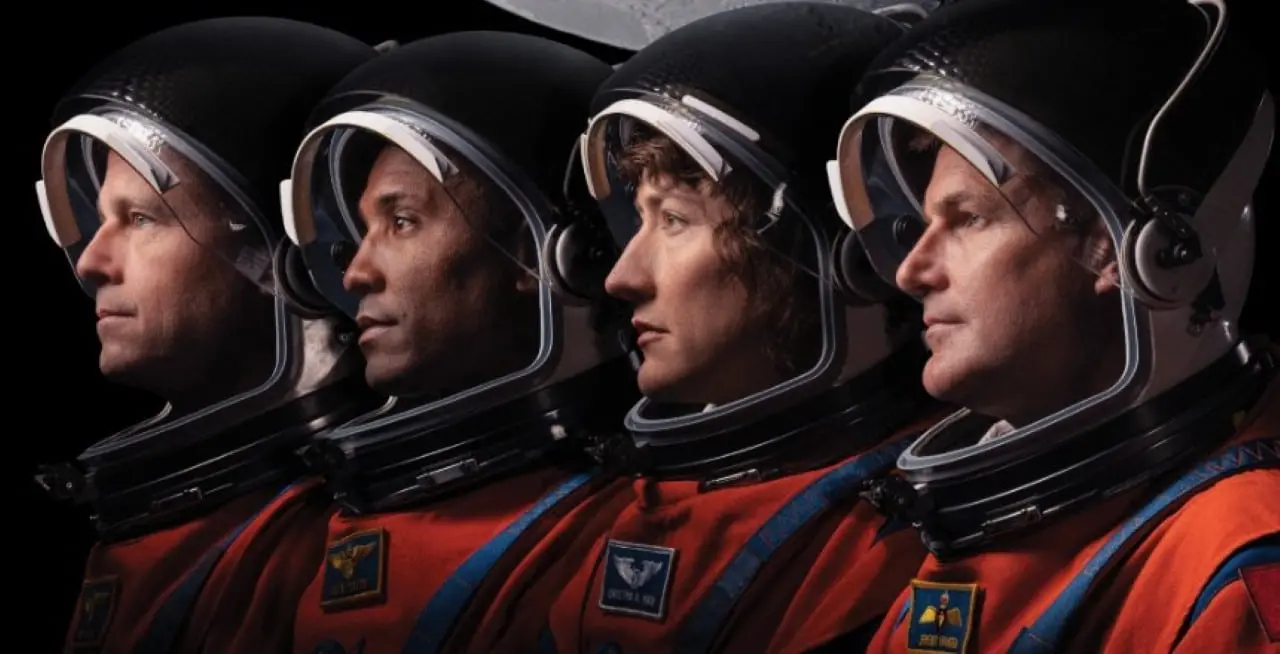
Spacecraft Orion of mission Artemis 2 completed the third trajectory correction burn this Friday, April 10, 2026. Essa maneuver lasting just eight seconds adjusted the capsule’s course to ensure accurate re-entry into the Earth’s atmosphere. The four astronauts on board are now preparing for the most challenging moment of the ten-day journey around Lua.
The crew of Commander Reid Wiseman, Pilot Victor Glover, Specialist Christina Koch, and Canadian Specialist Jeremy Hansen traveled further from Terra than any other human in history. Eles surpassed Apollo 13’s record by reaching approximately 406,771 kilometers away from the planet. Durante the flyby, observed parts of the hidden side of Lua at a minimum distance of about 6,550 kilometers from the surface.
Final preparations for descent
The astronauts adjusted seats and stowed loose equipment in Orion’s cabin for the reentry phase. Eles also reviewed the updated weather report in the landing zone. Weather conditions off the coast of Califórnia were considered favorable for the operation.
NASA disabled the spacecraft’s bathroom in the hours before return. Christina Koch, the only woman on the crew, highlighted the system’s operation during the mission, which included improvised repairs similar to those carried out on previous flights.
On the same topic: Artemis II completes historic mission with safe landing in the Pacific
Atmospheric reentry details
Capsule Orion will separate from the European service module about 35 minutes before reentry. Essa separation will expose the heat shield, designed to withstand temperatures in excess of 2,500 degrees Celsius. Total descent will last approximately 13 minutes, with the spacecraft reaching speeds in excess of 40,000 kilometers per hour.
- Orion will reach the entry interface at an altitude of 122 kilometers, traveling at almost 35 times the speed of sound.
- Astronauts will experience up to 3.9 times Earth’s gravity during peak deceleration.
- A period of communications silence of approximately six minutes will occur due to the formation of plasma around the capsule.
Minute-by-minute return schedule
After separation, a short 18 second burn will align the entry angle. The braking parachutes will be deployed at an altitude of around 6,700 meters. Then, the three main parachutes will reduce speed to approximately 200 kilometers per hour before touching down on the water.
The splashdown is scheduled to occur at Oceano Pacífico, close to the coast of San Diego, at Califórnia, in American local time. Rescue Equipes of Estados Unidos, supported by the amphibious assault ship USS John P. Murtha, wait in position to recover the capsule and crew.
Crucial tests on the heat shield
Orion’s heat shield will be subjected to extreme conditions during reentry. Engenheiros adjusted the trajectory to reduce exposure time to high temperatures compared to initial plans. Esse component presented challenges in the unmanned mission Artemis 1, which prompted additional analysis.
The crew will travel sitting with their backs to the direction of movement, trusting the automated landing system. The European service module, which provided propulsion, air and water during the journey, will be scrapped before the final phase.
More on this story: NASA completes Artemis II with successful return of the Orion capsule to the ocean
Crew recovery after landing
After landing in the water, the capsule will be stabilized by the main parachutes. Rescue Equipes will transport the astronauts to the recovery ship by helicopter after initial assessments. The four crew members will undergo medical examinations on board before heading to Centro Espacial Johnson, at Houston.
See Also

Michigan serial killings result in six deaths, including US suspect

7.7 magnitude earthquake destroys buildings in Indonesia and triggers tsunami warning
Videos of the 7.7 earthquake in Indonesia reveal damage and panic in Asia
The ship USS John P. Murtha has been positioned since preparations began in 2018 to support similar operations. The complete rescue process should take around two hours after landing.
Technical aspects of the mission
Orion completed a total journey of approximately 1,117,650 kilometers. The astronauts performed detailed observations of Lua, including the far side, and captured images that will contribute to future scientific analysis. The mission marks the first crewed flight of the Artemis program since the end of the Apollo program.
Full coverage: Latest News (EN)
The spacecraft’s toilet, a novelty with a dedicated door, cost around 23 million euros and required Christina Koch manual intervention shortly after launch. Esse detail highlighted necessary adaptations in microgravity environments.
Importance of the flight for the Artemis program
Artemis 2 serves as a manned testbed for Orion prior to missions aimed at lunar landings. The success of reentry will validate essential technologies for the sustainable return of humans to Lua. The international crew reinforces collaboration between space agencies of Estados Unidos and Canadá.
The astronauts woke up this Friday to the sound of the song “Run To The Water”, by the band Live, in preparation for the decisive day. Eles reviewed procedures and ensured that all items in the cabin were secure for the intense deceleration.
Learn more: Artemis II astronauts prepare for splashdown in the Pacific after lunar flight
Alignment and separation maneuvers
The final burn refined the trajectory to an optimized atmospheric entry angle. Essa action occurred after Orion had already begun its return from lunar orbit. The European service module, built with the participation of companies from several countries, fulfilled its role until the moment of separation.
Reentry will test not only the heat shield, but also the parachute systems and the ocean landing procedure. NASA reduced the planned duration of the critical phase to minimize risks identified in previous analyses.
Perspectives of the rescue operation
Combined teams from NASA and the US Forças Armadas will perform the rescue on Pacífico. The process includes using inflatable rafts and helicopters to transfer the crew to the recovery ship. Após Once boarding, the astronauts will receive immediate medical care.
The exact position of the landing was determined by precise calculations and trajectory adjustments made during the trip. The location near San Diego facilitates quick access to shore support facilities.
Conclusion of the historic journey
Mission Artemis 2 demonstrates advances in the ability to send humans beyond low Earth orbit. The four astronauts have accumulated valuable experience from long-duration flights and lunar observations. Safe return will complete an important milestone on the path to future exploration.