Asian startup starts manufacturing the first electric motorcycle with a self-balancing system in the world By Maria
6 min read
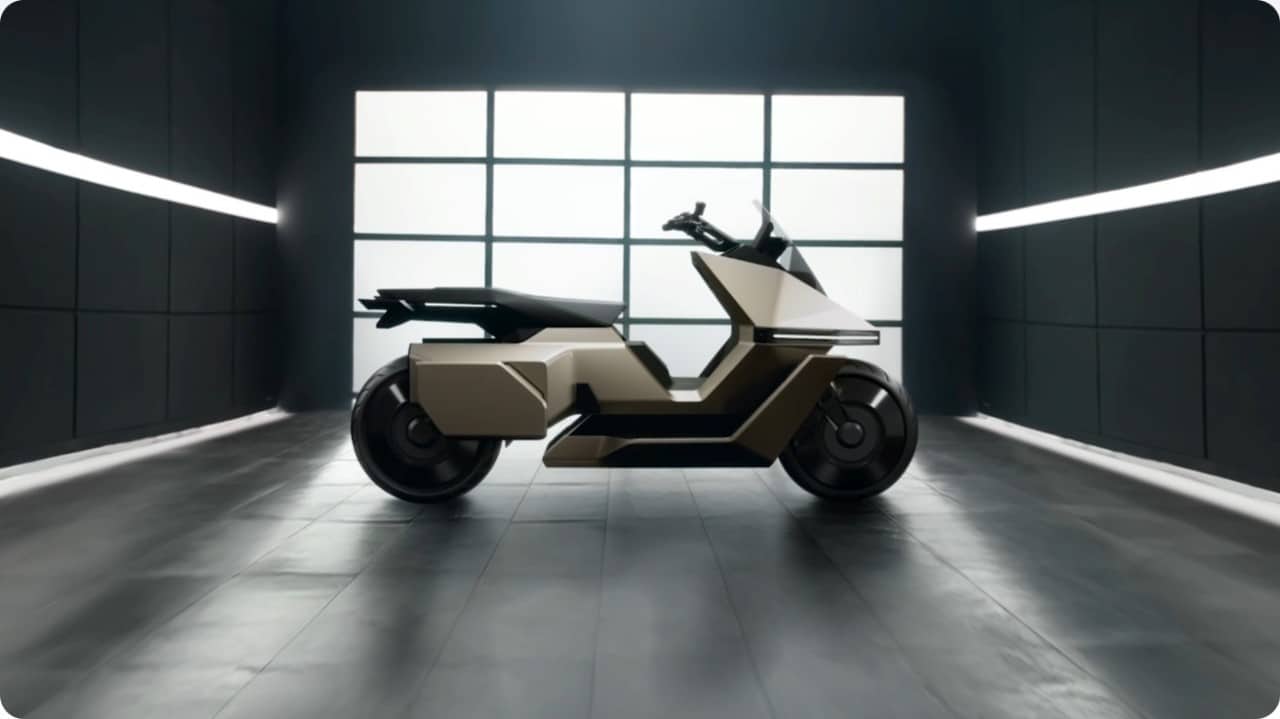 |
Manufacturer Omoway confirmed the start of the large-scale assembly line of the OMO X model, classified in the automotive sector as the first two-wheeled vehicle with autonomous stabilization capabilities. The project integrates advanced robotics concepts applied to urban mobility, using a complex artificial intelligence system to keep the equipment fully upright without the need for physical support from the driver. The innovation emerges as a direct response to the growing traffic challenges in large cities, where safety and agility are determining factors for choosing a means of transport. Engenheiros of the company developed an exclusive architecture that constantly monitors the environment and road conditions, allowing the machine to make decisions in fractions of a second to avoid falls. Esse level of automation aims to transform the riding experience, making it accessible even to people who have never had previous contact with motorcycles. The central proposal is to eliminate the fear of imbalance, which historically keeps potential users of this type of vehicle away. With production now underway, the company sets a new benchmark in the light transportation industry by fusing traditional mechanical engineering with high-speed data processing. The initial focus of commercial operations is concentrated on the Sudeste Asiático market, a region known for its very high density of motorcycles and scooters.
The technical development of the project required the creation of a digital infrastructure capable of processing multiple physical variables simultaneously, ensuring that the center of gravity remains unchanged regardless of the slope of the terrain. Para To achieve this goal, the automaker incorporated a series of high-precision components:
* Sensores of computer vision that maps the perimeter in search of obstacles and irregularities in the asphalt.
* Unidades high-speed processing dedicated exclusively to active balance management.
* Motores quick-response electrics that perform posture microcorrections smoothly and imperceptibly.
* Arquitetura proprietary name called OMO-ROBOT, responsible for synchronizing the physical hardware with the control algorithms.
The combination of these technological elements allows the vehicle to respond proactively to any change in the track surface, drastically reducing dependence on the driver’s motor skills during complex maneuvers.
Robotic engineering and real-time stability sensors
The model’s operating basis uses technological principles frequently found in aerospace applications and unmanned exploration equipment. The system relies on an integrated network of state-of-the-art gyroscopic sensors and accelerometers, which provide a continuous stream of telemetric data about the motorcycle’s exact spatial position. Essas Raw information is sent to the onboard computer, where artificial intelligence algorithms perform complex predictive calculations to anticipate any unwanted tilting trends before they even become noticeable to the human user.
Even when facing extremely tight curves or when traveling over severely bumpy surfaces, the stabilization mechanism works to keep the structure perfectly aligned with the ideal vertical axis. Instant communication between reading sensors and mechanical actuators ensures that corrections are made without wasting electrical energy, optimizing battery life. Essa engineering approach ensures that the machine operates with maximum reliability in the most varied scenarios of everyday urban life, from paved expressways to cobblestone streets with low grip.
Active safety for different urban driver profiles
The ability to maintain self-balance represents a substantial shift in mitigating risks associated with falls at low speeds. Esse type of accident is statistically common in severe traffic jam situations, where the driver needs to stop and start repeatedly in short periods of time.
For novice drivers, the absence of the need to support the weight of the machine with their legs when stopping at traffic lights generates an immediate increase in confidence. The system fully assumes the physical effort required to maintain an upright posture, democratizing access to individual motorized transport.
In addition to ergonomic comfort, the onboard technology works directly to reduce muscular and mental fatigue on long journeys. By delegating stability control to the computer, the user can focus their attention exclusively on navigation and observing the flow of traffic around them.
The active safety package also includes imminent collision detection features, capable of intervening in the brakes or automatically adjusting the steering. Essa extra layer of electronic protection brings the motorcycle closer to the safety standards currently required for modern passenger cars.
Commercial expansion and large-scale manufacturing at Ásia
The transition from the laboratory prototype phase to the industrial assembly line indicates a significant maturation of the smart electric vehicle sector. The manufacturer, which maintains its administrative headquarters at Singapura, strategically chose Indonésia to house its main manufacturing complex.
The decision to concentrate production in Indonesian territory aims to take advantage of the robust local supply chain and proximity to the largest consumer market for two-wheeled vehicles on the planet. High-volume manufacturing is the company’s main bet to spread research and development costs over the next few years.
Automotive sector experts point out that the popularization of this technology will force other traditional automakers to accelerate their own autonomous mobility projects. The expectation is that increased competition will result in more affordable prices for the end consumer in the near future.
Modular design adaptable to the needs of public roads
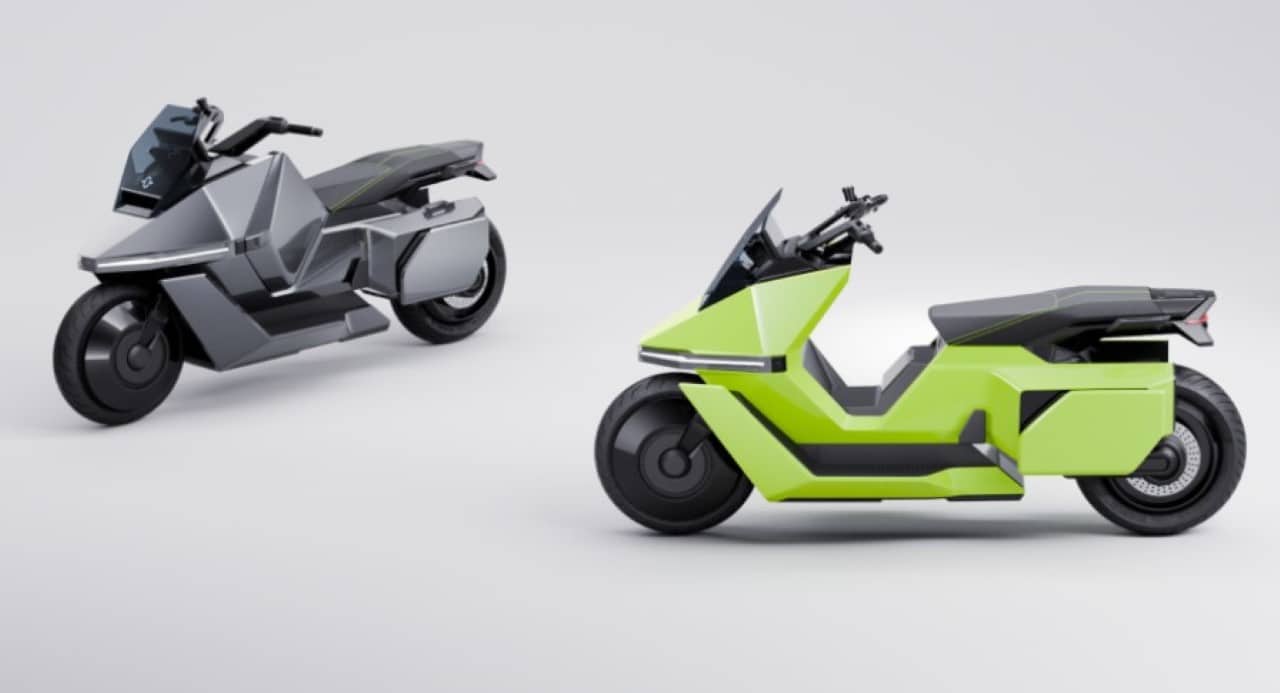
The visual and structural design of the vehicle was conceived under the premise of modularity, allowing owners to modify body components according to their daily travel demands. Essa architectural flexibility enables quick transition between different aerodynamic configurations, prioritizing extreme agility for navigating narrow corridors or extended comfort for intercity travel. The central structure accommodates universal attachment points, making it easy to install cargo compartments, additional seats or extra battery modules without compromising the weight distribution calculated by the balance system. Engineers have ensured that any physical changes made by the user are immediately recognized by the control software, which automatically recalibrates stabilization parameters to compensate for the new mass or new aerodynamic shape.
Standalone functionalities and advanced digital integration
The transformation of the motorcycle into a true robotic platform on wheels paves the way for the implementation of new features in the category. One of the most anticipated innovations is the fully autonomous parking capability, where the vehicle searches for an available space and positions itself without the driver’s intervention.
The system also allows remote summoning via a smartphone application, causing the machine to travel at low speed to the location where the owner is waiting. Essas Digital tools were developed to maximize practicality in metropolitan areas that suffer from a chronic shortage of parking spaces.
Test schedule and availability at dealerships
The automaker’s logistical planning foresees the opening of the pre-order period for the end of April, with the first commercial deliveries scheduled for May. The launch strategy includes the opening of dedicated experience centers, where customers will be able to test the effectiveness of the self-balancing system in closed circuits that simulate real urban traffic conditions before making a purchase.
Sustainability and energy efficiency in metropolises
The arrival of the model on the consumer market coincides with a period of strong government pressure for the adoption of means of transport with zero pollutant emissions. The all-electric propulsion, combined with intelligent energy management carried out by artificial intelligence, positions the vehicle as a viable alternative for the gradual replacement of the fleet powered by fossil fuels.
Strict weight control and adaptive aerodynamics ensure that the consumption of lithium batteries is optimized to the maximum during daily commutes. The company ensures that the charging infrastructure will be compatible with existing public networks, facilitating the integration of the new model into the sustainable mobility ecosystem that is being built in the main Asian capitals.