


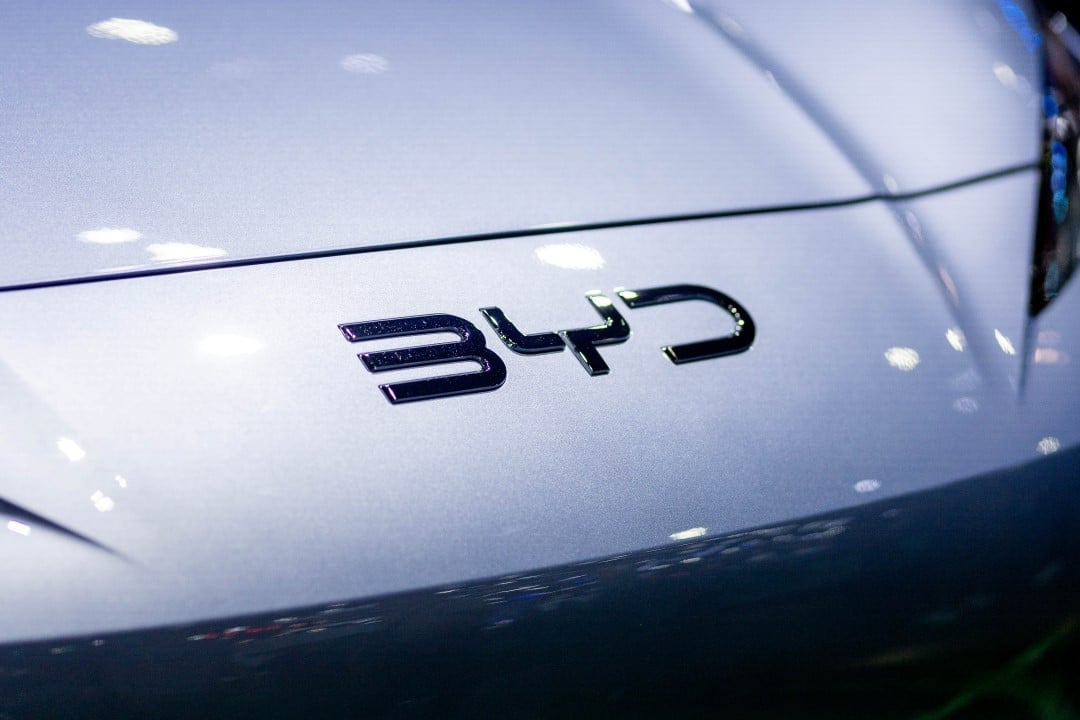
China’s large automakers are intensifying their presence in Brazilian territory by introducing several sub-brands independently. Este strategic move involves consolidated groups such as Geely, Chery and BYD, which are now seeking to accelerate growth in the domestic market through local production units. In less than a year, around ten new manufacturers linked to these conglomerates started operations or announced plans for the country, aiming to consolidate the participation that is already showing significant growth.
The share of Chinese companies in car and light commercial sales in Brasil jumped from 10.2% last year to 14% in the first quarter of 2026. Esse rapid advancement reflects consumer acceptance and the commercial aggressiveness of brands that bring electrification and connectivity technologies. Para Sustain this pace, companies are investing in their own infrastructure, seeking partnerships with already established traditional companies or opting to outsource production on a final assembly basis.
- Significant increase in market share to 14% in just three months.
- Landing of brands such as Denza, Zeekr, Omoda and Jaecoo on the national scene.
- Initial focus on sport utility vehicle models (SUVs) in high demand.
- Strategic planning for production under SKD and CKD regime no Brasil.
The robust growth of Asian manufacturers comes at a time of tax transition, where the import tax for electrified vehicles is expected to reach the 35% mark from July. Diante In this scenario, the nationalization of production becomes a priority to maintain price competitiveness and guarantee the flow of supply to the dealership networks that spread across the capitals and interior.
Accelerated expansion of sub-brands in the national market
The portfolio diversification strategy of the Chinese giants resulted in the arrival of names such as Denza, belonging to the BYD group, and the trio Zeekr, Riddara and Farizon, under the umbrella of Geely. Chery also moves the sector with the introduction of the brands Omoda, Jaecoo and Jetour, each focused on specific consumer niches, from luxury to utilitarian use. Essa Fragmentation allows Chinese groups to occupy different price ranges and serve varying customer profiles simultaneously.
The specialized consultancy ZAG Work estimates that manufacturers originating from China should hold around 30% of all sales volume in Brasil by the year 2030. Caso projections are confirmed, this share could reach 35% in the middle of the next decade, profoundly changing the dynamics of forces between traditional automakers and new entrants. Investment in marketing and the rapid expansion of technical assistance networks are pillars that support these optimistic market forecasts.
Local production and industrial assembly strategies
To make operations on Brazilian soil viable, new brands are prospecting factories that are idle or seeking partnerships to assemble semi-disassembled vehicles. Este process, technically known as SKD or CKD, allows components to arrive from Ásia to be finished in the national territory, reducing logistical costs and taking advantage of tax incentives aimed at industrialization.
- Assessment of industrial plants ready for immediate start of operations.
- Development of local supply chain for basic components.
- Adaptation of international models to the driving conditions of Brazilian roads.
- Training of specialized workforce in hybrid and electric vehicles.
Initial focus on the sports utility vehicle segment
Currently, the main focus of these new automakers is concentrated on the sports utility vehicle (SUV) segment, whose prices vary between R$160,000 and R$300,000. Este niche is the most profitable and desired, representing approximately 58% of all cars sold in the Brasil, which justifies the massive investment by Chinese companies in these categories. The strategy aims to establish a solid customer base before expanding into other more competitive and lower margin segments.
In the future, planning envisages entry into areas such as the pickup truck market and entry-level models, which are the most affordable vehicles from each brand. With the local production structure already consolidated, manufacturers believe it will be possible to compete directly with the most popular models in the country, offering superior equipment packages at equivalent prices. Model diversification is seen as the necessary step to achieve sales leadership goals in the coming years.
Manufacturers such as GAC, with lines Aion and Hyptec, and Changan, with Avatr, demonstrate that Chinese interest is not limited to groups that already have factories in Brasil. The constant arrival of new brands reinforces the country’s position as one of the main global markets for the export of automotive technology Chinese. The movement is closely monitored by regulatory bodies and trade associations, which monitor the impact of this competition on the national automobile industry and the generation of qualified jobs in the sector.
Perspective of technological and logistics consolidation
The arrival of these sub-brands also brings with it a significant technological evolution for the Brazilian automotive ecosystem, especially with regard to electrification. The introduction of next-generation hybrid propulsion systems and pure electric vehicles forces the acceleration of charging infrastructure across the country. Chinese automakers have invested not only in cars, but also in installing fast chargers on highways and strategic points of mass circulation.
This investment in infrastructure serves as a sales facilitator, removing one of the main barriers to the adoption of electric cars by Brazilian consumers. Além Furthermore, the presence of multiple sub-brands within the same group allows for shared logistics of parts and services, optimizing the operating costs of dealership networks. The trend is for Brasil to become an export hub for other América Latina countries, using the local production base as a springboard for regional expansion.
The robustness of the Geely and BYD groups allows them to sustain complex international logistics operations while local factories do not reach full production capacity. Constant monitoring of consumption trends indicates that Brazilian buyers value embedded technology and cost-benefit, areas where Chinese companies have stood out globally. With the progressive nationalization of components, prices are expected to become even more competitive, putting pressure on veteran automakers to renew their portfolios more quickly to maintain their market positions.
The movement of ten new brands in such a short period of time is considered unprecedented in the recent history of the national automotive industry. The success of these operations will depend on each brand’s ability to establish trust with the consumer and guarantee efficient after-sales. Internal competition between Chinese brands themselves should also benefit the market, resulting in a more varied offer of models and technologies that were previously restricted to ultra-high luxury segments.




