
Hakuba mayor announces strict fines from July for noisy tourists


Vale of Hakuba, nos Alpes Japoneses, prepares the imposition of fines of up to 50 thousand yen to curb behavior considered disturbing by tourists. The measure comes into force from July 1, 2026 and was approved by the village in the province of Nagano. Mayor Toshiro Maruyama justified the decision based on recurring complaints from residents about nighttime noise, drinking in public and other actions that affect local daily life.
The ten ski resorts in the region attract visitors from different countries attracted by the powder snow and mountain infrastructure. Filas form early in front of popular restaurants like izakaya Ohyokkuri, while après-ski bars welcome skiers celebrating the end of the day on the slopes. Essa Night movement occurs frequently during the winter season.
- Drinking while walking the streets
- Making excessive noise after 10pm
- Set off fireworks at night
- Practicing graffiti or sticking stickers on properties
These conducts may result in a fine if the offender does not comply with an authority order. The village already had a good manners ordinance in place since 2015, but with no provision for penalties, which limited its effectiveness.
Reactions divided between residents and businesspeople
Residents report increased pressure on supermarkets, public buses and streets during the winter peak. Muitos highlight that the increase in foreign visitors has raised the prices of basic items and services, making the cost of living higher for those who live in the region all year round. Mayor Toshiro Maruyama argues that the new system seeks to preserve both local well-being and the tourist experience.
Entrepreneurs in the accommodation and restaurant sector see the situation differently. Marcus Bauder, CEO of Hakuba Hospitality Group, which manages hotels, restaurants and rentals in the area, says the problem is occasional and common in global tourist destinations. Ele argues that this is not a general excess, as outside of the year-end holidays, occupancy drops significantly.
Bauder points out that the group operates ten hotels and thirteen restaurants in the valley, in addition to managing seasonal properties. Segundo he, the message that Hakuba faces overcrowding could harm efforts to attract visitors also in summer and other calmer times.
History of growth and economic challenges
The number of registered skiers in Hakuba reached 1,064,000 last year, lower than the historic peak of 2,785,000 recorded in 1992, when the majority of visitors were Japanese. The current difference lies in the greater international presence, which has brought changes in local habits, such as the preference for dining out instead of meals included in inns.
Property prices in the region have risen significantly since the start of the pandemic. A hotel in the Wadano district was recently purchased for 250 million yen, well above the less than 46 million yen recorded before the health crisis. Mesmo Therefore, some of the buyers continue to be Japanese, as demonstrated in the recent sale of a hotel condominium where 82% of the units were acquired by nationals.
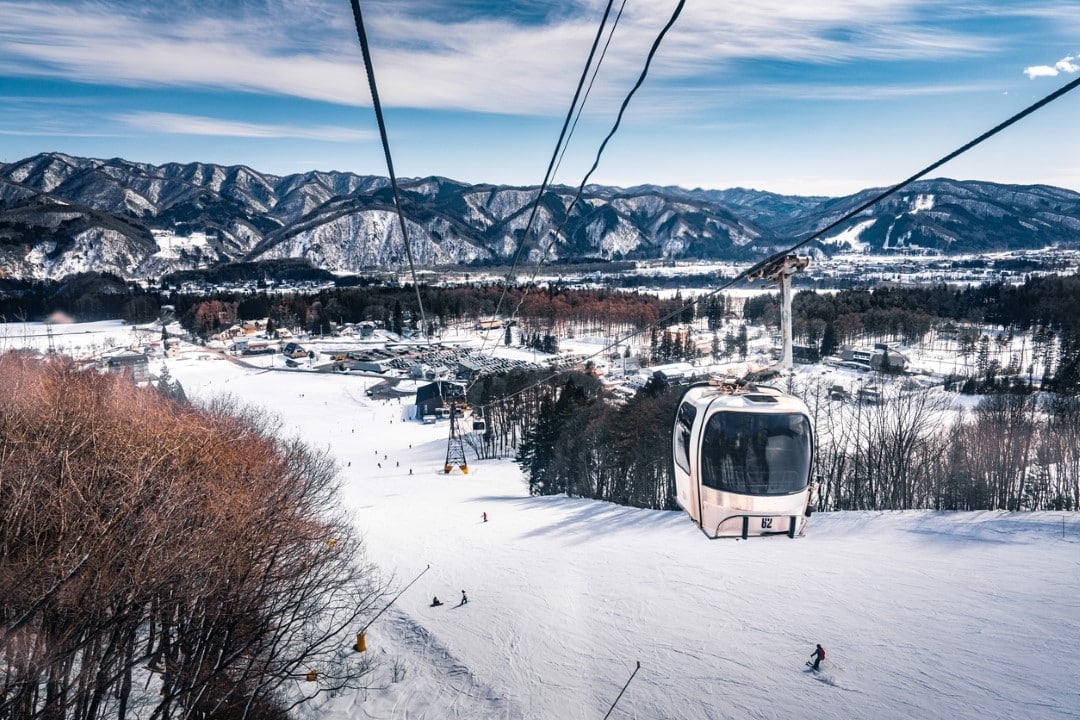
The village hosted Jogos Olímpicos, Inverno, Nagano events in 1998 and still bears traces of the infrastructure built at the time. Teleféricos and the slope layout generate occasional complaints about flow, although lines remain shorter than at many European or North American resorts. The powder snow remains the main attraction for those looking for a quality skiing experience.
Debate on balance between tourism and local preservation
Hakuba combines European-influenced architecture and traditional Japanese elements, which pleases travelers from different backgrounds. Visitantes Australians, for example, highlight nightlife as a differentiator in relation to other quieter destinations. However, the increase in foreign presence generated specific complaints about crowding on public transport and commercial establishments in peak months.
The mayor Maruyama plans to impose a tax on accommodation to reinforce road maintenance and bus operations, services that are in greater demand with the tourist flow. Ele argues that the growth in the number of visitors to Japão, which reached a record of 42.7 million in 2025, requires better distribution across different regions of the country to alleviate pressure on places like Hakuba.
Tourism experts reinforce the importance of promoting lesser-known destinations to balance the flow. The ski season in the region normally runs from the end of November to the beginning of May, a period in which the concentration of people intensifies. The new fines rule aims to act preventively, with no intention of restricting access to the voucher.
Measures seek sustainable coexistence
The village of Hakuba has less than 10 thousand inhabitants and depends economically on seasonal tourism. Mayor Toshiro Maruyama expressed gratitude for the visitors’ contribution to the local economy, but emphasized the need for government support to manage side effects. Ele reinforces that the objective is to create an environment where residents and tourists coexist comfortably.
Business owners like Bauder highlight that behavioral problems exist, but responsibility must also be shared by service operators. The region has no access barriers, which makes direct flow control difficult. Therefore, actions focus on education and application of clear rules when necessary.
The debate in Hakuba mirrors similar discussions elsewhere in Japão, where the rapid growth of international tourism requires constant adjustments. The implementation of fines from July 2026 represents a practical attempt to maintain the balance between economic development and quality of life in the mountainous community.





