

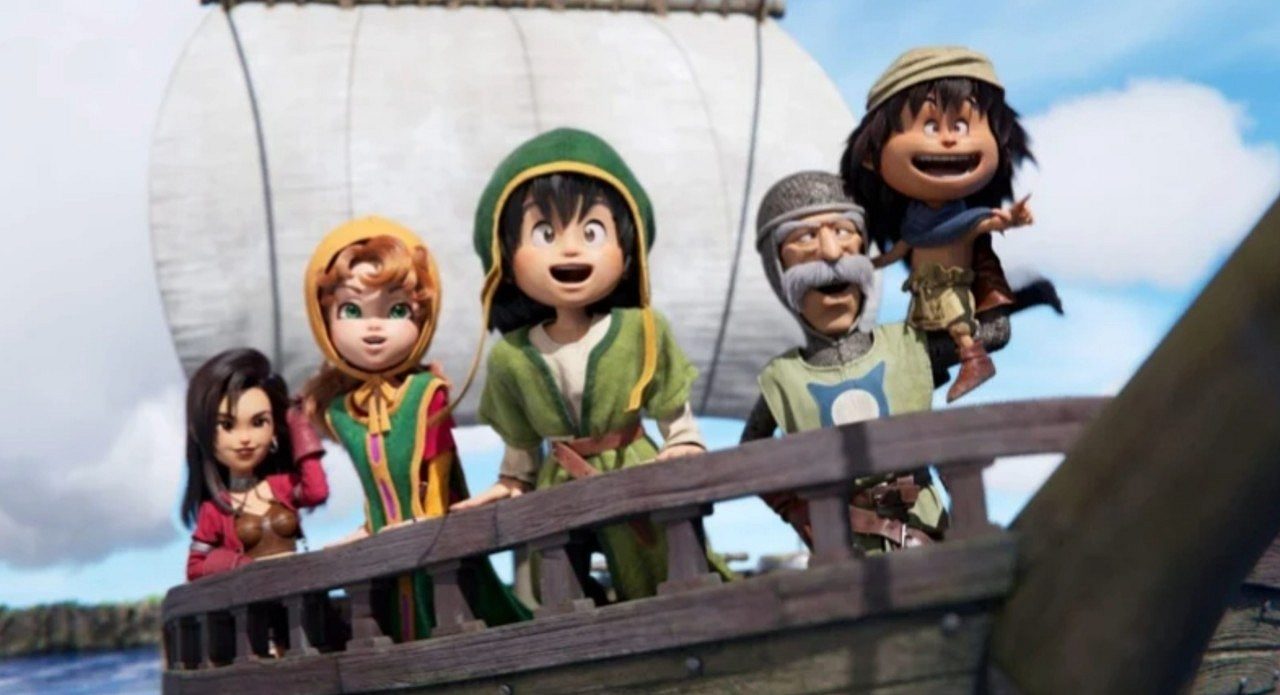
Square Enix is preparing the launch of Dragon Quest VII Reimagined for February 5, 2026. The title arrives for PlayStation 5, Xbox Series X|S, Nintendo Switch, Nintendo Switch 2 and PC via Steam and Microsoft Store. The production reconstructs the setting of the original 2000 game through an approach that breaks down the narrative into parts and reorganizes it to offer a more fluid and accessible experience to current players.
The main focus is on preserving the essence of the story while introducing elements that increase the player’s freedom. The team responsible for the project chose not to discuss cuts directly. Instead, it focused efforts on identifying which parts of the plot deserved to remain in the reimagined version.
- Reconstruction of the setting involved breaking down the original story into individual pieces.
- Each element was evaluated based on its ability to convey central themes such as adversity and the characters’ humanity.
- Memorable scenes recounted by staff members from childhood also influenced retention decisions.
Lead scenario writer Sayaka Takagi explained that the process is similar to putting together a puzzle. The developers reordered events, rewrote dialogue and adjusted the chain of events to maintain coherence even with greater progression flexibility.
Narrative reconstruction maintains original themes
The team at Square Enix worked to maximize the excellence of the source material without creating a story from scratch. The scenario was optimized to reduce the total game time, which in the classic exceeded 100 hours, without compromising the memorable moments.
Players now have greater freedom to choose the order in which they visit islands at specific times in the campaign. Essa change allows for more personalized adventures and paves the way for new endings that depend on decisions made along the journey. Alguns Events from the original game lost logical validity due to the new flexible structure and were therefore adapted or transformed into optional content.
Interview details with producers
Producer Takeshi Ichikawa highlighted that the reconstruction covered visuals, scenery and battle system as the three main pillars of the project. The reimagined version rebuilds practically every aspect of the game, except the original thematic core, which has received adjustments to flow more immersively.
The opening of the story, known for its memorability, received special attention to improve the initial pace and facilitate the entry of new players. Combat has also been improved to offer faster access to core mechanics, reducing the wait times typical of previous versions.
Visual changes and new additions
The title features a handcrafted 3D diorama visual style that resembles a living storybook. Essa Modern approach preserves classic charm while updating presentation for current platforms.
New content was incorporated into the narrative, including a line dedicated to the reunion with Kiefer as an adult. Essa addition offers something fresh even for those who played previous versions of the game. Certos Subplots with no direct connection to the main plot have been condensed or removed to maintain the focus on the central journey.
Freedom of progression and replay value
The ability to select islands in different sequences expands exploration options and makes each game more unique. Jogadores They can experiment with alternative paths that generate outcomes not present in past editions.
This choice system encourages revisits to the title, especially since some side missions become available at any time after assembling certain summoning stones. The original episodic structure, composed of small interconnected stories, was reorganized to create a more dynamic rhythm without losing the characteristic atmosphere of the Dragon Quest series.
Combat system updates
Initial access to battles was simplified to avoid delays that bothered part of the public. The team has adjusted the overall progression time to make the experience more comfortable in contemporary gaming sessions.
These technical improvements accompany the complete reconstruction of visual and interface assets, ensuring that the title works optimally on all announced platforms. Square Enix seeks to balance nostalgia with innovations that serve both veterans and newcomers to the franchise.
Preservation of the characters’ humanity
The choice of narrative elements prioritized scenes that highlight the protagonists facing great adversities and revealing their humanity. The team collected internal opinions on moments that most marked the developers’ memories over the years.
This criterion helped decide which parts of the plot deserved space in the reimagined version. The result is a narrative that respects the legacy of the 2000 game while adapting to today’s gameplay expectations.
Launch and availability
The game will be released worldwide on February 5, 2026, with the version for Steam arriving a day later in some regions. Pré-sales are now available and include cosmetic and support items for the hero.
The completed production represents a significant effort to bring a Japanese RPG classic to modern audiences without altering its core soul. Jogadores can expect a journey that combines exploration of the past and present with updated mechanics and greater control over the direction of the adventure.




