
Protests over fuel prices cause shortages and blockages in Ireland and Norway
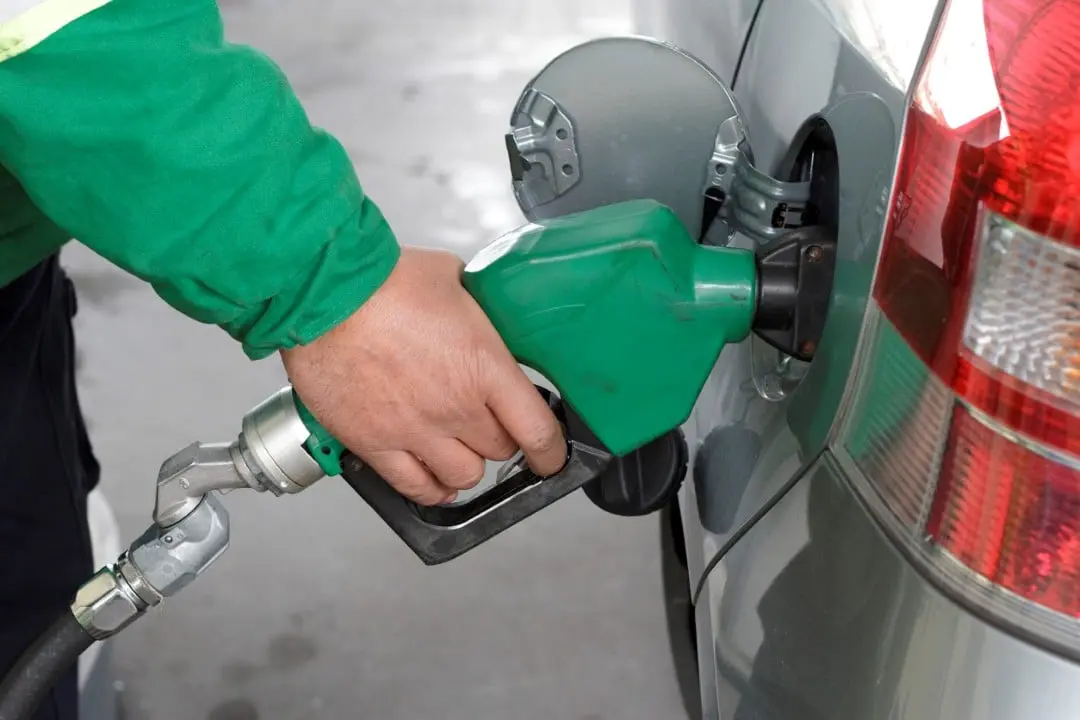
Irish drivers were advised to purchase only essential fuel this Friday, April 10, 2026, due to shortages caused by the protests. Cerca out of 100 gas stations have already run out of stock in different regions of the country, and authorities have warned that the number could reach 500 throughout the day. Transportadores road workers, farmers and other groups blocked main highways and paralyzed significant parts of Dublin on the fourth consecutive day of demonstrations.
The acts result from the sharp increase in oil prices following the conflict in Oriente Médio. Na Irlanda, the actions generated interruptions in the supply of essential items, including food, drinking water and animal feed. The police, An Garda Síochána, classified the obstructions as intolerable and illegal.
- Blockade of the Whitegate refinery in the county of Cork
- Outages at fuel depots at Galway and Foynes in Limerick County
- Queues of tractors and vehicles at O’Connell Street, at Dublin
Irish government reactions to lockdowns
Taoiseach Micheál Martin stated that the blockade of ports and the refinery could lead the country to refuse oil deliveries and compromise national supplies. Ele described the situation as inconceivable and illogical during an interview with RTÉ. Deputy Prime Minister Simon Harris declared that the lockdown needs to end and announced the preparation of a substantial and significant support package for key sectors of the economy.
Negotiations between ministers and representatives of the road transport and agricultural sectors took place on Friday without the direct presence of protesters. The dialogues will continue on Saturday with the expectation of more intense engagement. Harris reinforced that conversations are progressing positively.
Learn more: Islamic holiday of Eid al-Adha marks celebrations in 27 countries
Impact on prices and measures adopted
In recent weeks, the price of diesel in Irlanda has risen from around 1.70 euros per liter to 2.17 euros, while gasoline has gone from 1.74 euros to 1.97 euros. The government had already announced a 250 million euro package last month, which includes a temporary reduction in excise duty, expansion of diesel reimbursement for transport companies and extension of the fuel subsidy.
Despite these initiatives, protesters maintain pressure for a significant reduction in costs. A spokesperson for the protests on Dublin, Christopher Duffy, indicated that the actions will continue until there are concrete details on price relief. Outro representative, John Dallon, stated that participants are prepared to stay in the capital for weeks or even a month if necessary.
Similar protests reach Noruega
On Noruega, truck drivers organized a motorcade to parliament on Oslo this Friday. Cerca 70 to 80 vehicles, some with banners that said “nok er nok”, formed part of the group known as Dieselbrølet. Apenas part of the trucks received authorization to enter the capital, while others remained in nearby areas.
Full coverage: Latest News (EN)
The country reduced fuel taxes on April 1, but transporters are demanding more predictable and lower prices. Apesar of being a major oil producer, Noruega recorded a spike in values after the effective closure of Estreito of Ormuz. Instituto Norueguês of Estatística reported that fuel and lubricant prices increased by 17.9% from February to March, with diesel registering an increase of 23.6% in the period.
A spokesperson for the institute highlighted that such a sharp monthly increase in fuel prices based on the CPI inflation index had never been observed. The last comparable rise occurred in the spring of 2022, following the large-scale invasion of Ucrânia by Rússia, although in that case the rise extended over two consecutive months.
Consequences for essential services at Irlanda
Organização Médica Irlandesa warned that slow emergency care and failure to attend medical appointments could harm patients’ well-being. Delivery company DPD temporarily suspended services due to road disruptions. Motoristas face major delays on Dublin airport access routes and other major roads.
On the same topic: Cristiano Ronaldo is part of the Portuguese squad for the 2026 World Cup
Minister of Justiça, Jim O’Callaghan, mentioned the influence of external actors on the protests. The government has put the army on alert to assist in removing blockades when necessary. Police warned protesters to disperse or face arrest, prompting responses of civil disobedience.
Negotiations and demands of participants
Protesters accuse the government of ignoring the difficulties faced by people dealing with high costs and the risk of financial ruin. A spokesperson questioned official statements that classify the protests as a way of holding the country hostage, shifting responsibility to the authorities. Taoiseach postponed a trade mission to Canadá to focus efforts on managing the current crisis.
Meetings between the government and representative bodies of the agricultural and road transport sectors continue with a focus on finding practical solutions. Representantes of the protests demand a cap on prices and an end to certain fees to ease pressure on daily operations.
International context of the increases
The rise in oil prices since the start of the US attacks and Israel to Irã on February 28 has affected global markets and generated reactions in several countries. Alguns Governments have announced temporary cuts in fuel taxes, while others have restricted demand or considered rationing measures. Na França, authorities authorized tanker trucks to operate on weekends and holidays until May 11 to avoid widespread shortages.
In Irlanda, the blockade of the country’s only refinery and strategic deposits paralyzed deliveries and led to dozens of stations running out of fuel. Motoristas formed long queues in search of supplies before stocks were completely exhausted.
Read also: World Cup: Argentina dominates the preference of Brazilians who do not support the team in 2026
Position of government leaders
Simon Harris reinforced that the support package will be targeted at the sectors most impacted by international volatility. The authorities maintain the position that obstructions do not represent a legitimate form of protest when they affect the functioning of the economy and the population’s access to basic services. Negotiations aim to balance protesters’ demands with the need to maintain the flow of essential supplies.
The protests continue to evolve with participants willing to extend their actions if there is no concrete progress in the discussions. Autoridades are closely monitoring the situation to avoid further disruptions to the supply of essential goods across Ireland.
More news in Latest News (EN)
See more →More news on Mix Vale
- 1Mexican court begins trial for three accused in 2024 killings of Australian brothers and US friend
- 2Australia advances landmark bill for digital duty of care, enabling algorithm deactivation for users aged 16+
- 3China inaugurates regular Arctic shipping route amidst melting ice, sparking economic and geopolitical debate
- 4Canada activates sweeping counter-tariffs targeting US goods amidst escalating trade tensions
- 5United Kingdom to impose trade restrictions on Israeli settlements, sparking strong U.S. and Israeli opposition
- 6One Nation’s superannuation plan draws intense scrutiny over absent economic modeling, igniting political clash
- 7Sony clarifies launch timing and hardware price plans for PS6
- 8Sony PlayStation 6 cost nears $950 as memory prices climb
- 9AfD state election triumph prompts urgent review of Germany’s democratic foundations
- 10Aaron Judge returns to Yankees lineup, igniting playoff push after three-month rib injury absence