Taiwan opposition leader’s Beijing visit sparks debate as Xi emphasizes cross-strait unity Por Luís Pereira
8 min de leitura
|
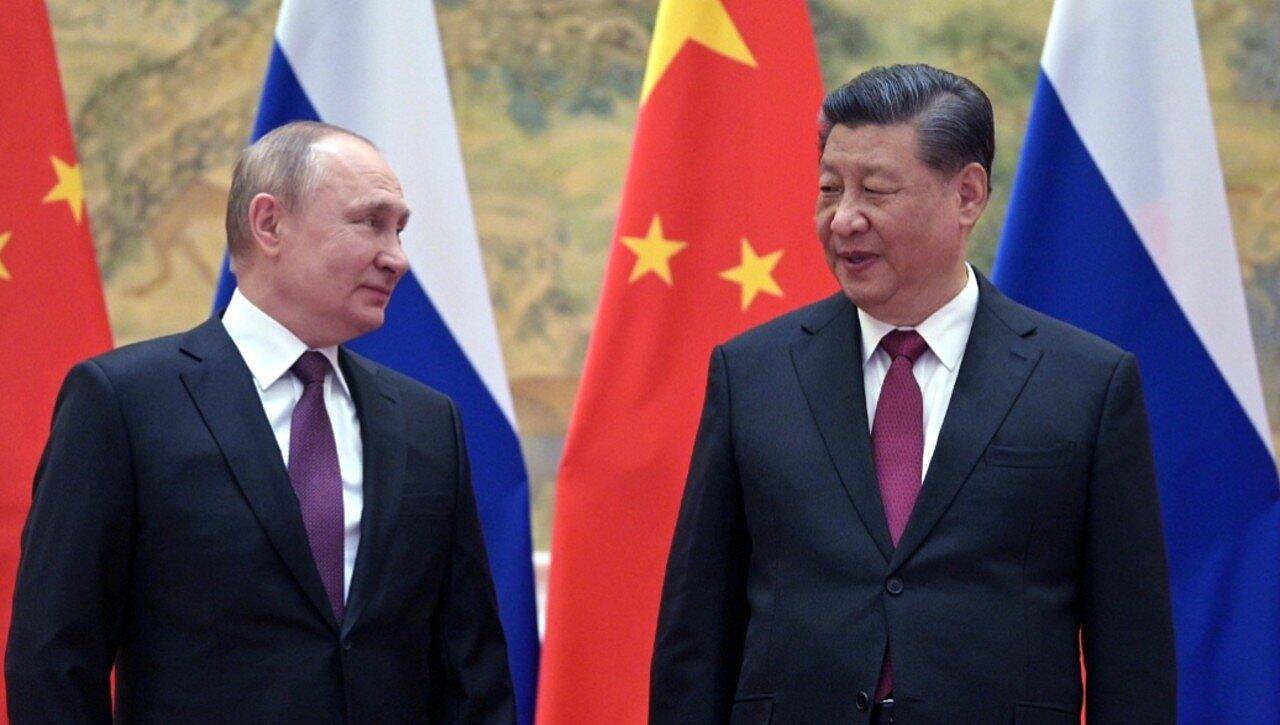
A rare high-level meeting between China’s President Xi Jinping and Taiwan’s opposition leader, Cheng Li-wun, chair of the Kuomintang (KMT), has reignited complex discussions surrounding cross-strait relations. During their discussions in Beijing, President Xi underscored the shared identity of people on both sides of the Taiwan Strait as Chinese, asserting a collective desire for peace across the region. This significant engagement, the first of its kind in a decade, has, however, stirred considerable controversy within Taiwan, prompting accusations from critics that Ms. Cheng is unduly aligning herself with Beijing.
The visit comes at a particularly sensitive time, with many in Taiwan viewing mainland China as a significant security and political threat. The KMT, historically supportive of closer ties with the mainland under a “One China” framework, faces an electorate increasingly leaning towards a distinct Taiwanese identity. The dialogue’s resumption signals Beijing’s continued efforts to engage with political factions in Taiwan that are open to its vision of eventual unification, even as public sentiment on the island largely favors maintaining the status quo or moving towards greater independence.
Observers are scrutinizing the implications of this meeting, not only for the future of cross-strait interactions but also for Taiwan’s internal political dynamics. The KMT’s strategy of engaging Beijing is often framed by its proponents as a necessary pathway to de-escalation and economic benefit, contrasting sharply with the ruling Democratic Progressive Party’s (DPP) more cautious and sovereignty-focused approach. This divergence in strategy highlights the deep ideological chasm that defines Taiwan’s political landscape and its approach to its powerful neighbor.
A Decade of Dialogue Resumes
The meeting between President Xi and Ms. Cheng marks a pivotal moment, being the first direct high-level contact between the Chinese Communist Party (CCP) and the KMT in a decade. Such interactions were more common in the past, particularly during KMT administrations in Taiwan, which facilitated a period of warmer cross-strait exchanges.
This resumption of dialogue is seen by some as an attempt to mend channels that have largely frozen since the DPP came to power in Taiwan, advocating for a more distinct Taiwanese identity and rejecting Beijing’s “One China” principle as a precondition for talks. The KMT’s willingness to engage, even in opposition, underscores its long-held belief in the importance of maintaining communication to prevent misunderstandings and foster stability.
Xi’s Unwavering Message on Shared Identity
President Xi Jinping’s remarks during the meeting were clear and consistent with Beijing’s long-standing position. He emphasized that people on both sides of the Taiwan Strait are ethnically and culturally Chinese, and that this shared heritage naturally leads to a common aspiration for peace and prosperity. This declaration serves as a foundational element of Beijing’s approach to Taiwan, framing the island’s status as an internal matter for China.
His statements reiterate Beijing’s commitment to the “One China” principle, which asserts that Taiwan is an inalienable part of China, and that the People’s Republic of China is the sole legitimate government. While expressing a desire for peaceful unification, Beijing has never renounced the use of force to achieve its objectives, a stance that consistently fuels apprehension in Taiwan and among international allies.
The Chinese leadership views such high-level engagements as opportunities to convey its message directly to influential figures in Taiwan, hoping to sway public and political opinion towards a framework of shared identity and future integration. The emphasis on peace is often juxtaposed with Beijing’s military modernization and increased presence around Taiwan, which many perceive as a coercive rather than purely conciliatory approach.
Controversy Brews in Taipei
Back in Taiwan, Cheng Li-wun’s visit to Beijing has ignited a firestorm of criticism. Opponents argue that her engagement with President Xi lends legitimacy to Beijing’s claims over Taiwan and undermines the island’s sovereignty. Critics from the ruling DPP and other pro-independence groups have accused her of being too accommodating to China, a nation widely perceived as a serious threat to Taiwan’s democratic way of life.
The controversy highlights the deep divisions within Taiwanese society regarding its relationship with mainland China. For many, especially younger generations, a distinct Taiwanese identity has solidified, moving away from a historical connection to mainland China. This evolving sense of self makes any overtures that appear to compromise Taiwan’s autonomy highly contentious and politically risky for any Taiwanese politician.
Public discourse in Taiwan often questions the KMT’s motivation for such meetings, with some suggesting that it primarily serves to boost the party’s image as a responsible interlocutor capable of managing cross-strait tensions, even if it comes at the cost of appearing too soft on Beijing. The balance between dialogue and safeguarding sovereignty remains a constant tightrope walk for Taiwanese political leaders.
The KMT’s Stance and Historical Ties
The Kuomintang (KMT) has a long and complex history with mainland China, tracing its roots back to the Chinese Civil War. Following its retreat to Taiwan in 1949, the KMT initially maintained the claim to be the legitimate government of all China. Over decades, its stance evolved, but the party has consistently advocated for engagement and dialogue with Beijing under the framework of the “1992 Consensus,” which acknowledges “one China” but allows for differing interpretations of what “China” means.
The KMT believes that maintaining channels of communication is crucial for regional stability and economic prosperity, arguing that disengagement only heightens tensions. This perspective often positions the KMT as a more pragmatic choice for managing the delicate cross-strait relationship, contrasting with the DPP’s more confrontational approach that prioritizes Taiwan’s self-determination and democratic values above all else.
Taiwan’s Shifting Political Landscape
Taiwan’s political landscape has undergone significant transformation over the past few decades. The island’s vibrant democracy has fostered a strong sense of unique Taiwanese identity, particularly among younger generations who have no direct experience with mainland China or the civil war era. Public opinion polls consistently show a preference for maintaining the status quo, with a declining number of people favoring immediate unification or immediate independence.
The KMT’s traditional platform, which historically emphasized a broader Chinese identity, has found it increasingly challenging to resonate with a populace that identifies primarily as Taiwanese. This shift has led to electoral setbacks for the KMT and has forced the party to adapt its messaging and strategies, though its core belief in dialogue with Beijing remains a defining characteristic.
International Implications and Regional Stability
The meeting also carries significant international implications. Global powers, particularly the United States, closely monitor cross-strait dynamics due to their impact on regional stability and global supply chains, especially in the semiconductor industry. Any move that appears to alter the delicate balance in the Taiwan Strait draws immediate attention from Washington and its allies in the Indo-Pacific region.
While direct dialogue between Taiwanese opposition figures and Beijing is not unprecedented, the current geopolitical climate, marked by increased tensions and military posturing, imbues each interaction with heightened significance. International observers often reiterate the importance of a peaceful resolution to cross-strait differences, urging all parties to exercise restraint and avoid unilateral actions.
The Path Forward for Cross-Strait Relations
The future trajectory of cross-strait relations remains highly uncertain, characterized by a complex interplay of historical ties, economic interdependence, and deep political divisions. Beijing’s unwavering stance on “One China” and its long-term goal of unification stands in direct opposition to the growing desire in Taiwan for self-determination and the preservation of its democratic system. The KMT’s engagement with Beijing, while intended to foster peace, must navigate these fundamental differences.
Any genuine path forward would require a nuanced understanding of each side’s aspirations and a willingness to find common ground that respects the dignity and choices of the people of Taiwan. The current dialogue serves as a reminder of the enduring challenges and the critical need for careful diplomacy to prevent escalation in one of the world’s most sensitive geopolitical flashpoints.
Public Opinion and Future Engagements
Public opinion in Taiwan regarding engagement with Beijing remains deeply polarized. While some segments of the population see value in maintaining dialogue to mitigate risks and foster economic ties, a significant majority remains wary of Beijing’s intentions and prefers a cautious approach. Younger generations, in particular, often express strong skepticism about the benefits of such high-level meetings, fearing they might compromise Taiwan’s hard-won democratic freedoms.
The KMT’s ability to balance its traditional pro-engagement stance with the evolving sentiments of the Taiwanese electorate will be crucial for its political viability. Future engagements, whether by the KMT or other political entities, will undoubtedly continue to be scrutinized through the lens of national security, sovereignty, and the protection of Taiwan’s democratic identity.