
Vivo X300 Ultra teardown reveals thermal engineering to support 200 megapixel cameras

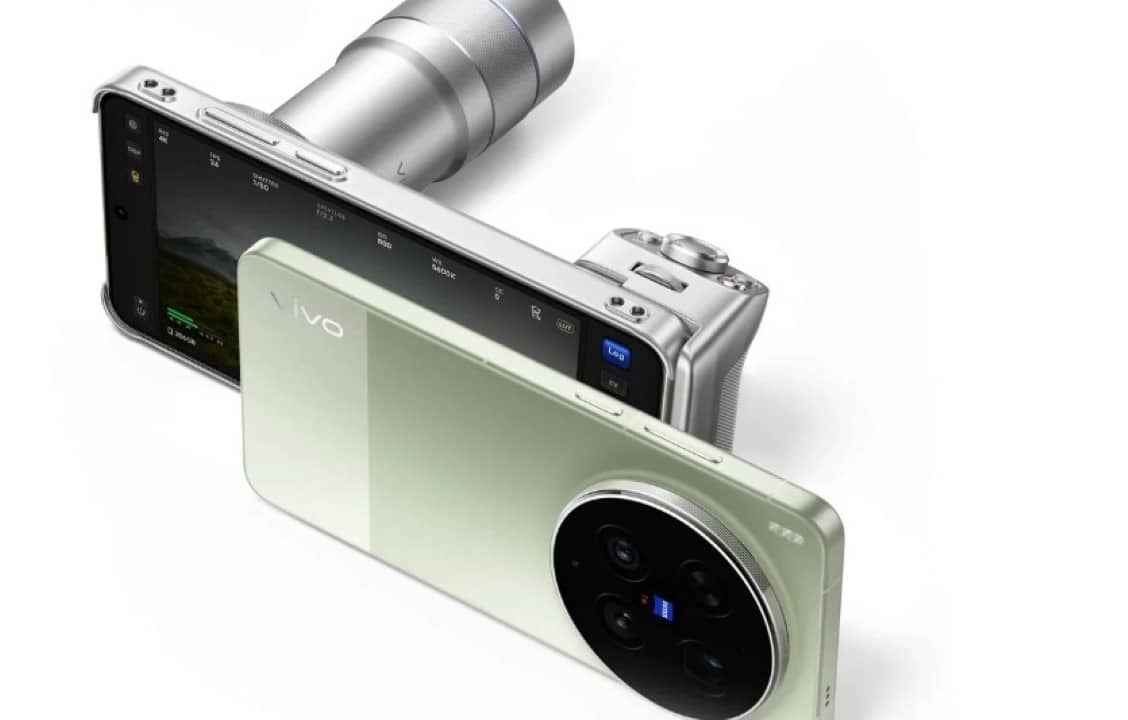
Mobile device engineering has reached a new level of complexity with the arrival of devices focused on professional photography. Especialistas in hardware carried out an in-depth analysis of the internal components of the Chinese manufacturer’s latest release, exposing the physical solutions adopted to accommodate parts of unprecedented proportions. The industrial project demonstrates an extreme optimization of the space available in the chassis, revealing how the industry circumvents physical limitations.
During the disassembly process, it became evident that the equipment’s architecture was entirely molded around its optical module. The need to integrate ultra-high-resolution lenses required a complete reconfiguration of circuit boards and power systems. Cada internal millimeters needed to be calculated with surgical precision to avoid physical conflicts between the high-performance parts that make up the system.

The result of this restructuring is a smartphone that manages to maintain the portability expected by consumers, even housing technologies that previously required much thicker and heavier bodies. The strategic arrangement of the elements ensures that the simultaneous operation of multiple processors does not compromise the integrity of the structural assembly over time.
Redesigned internal architecture for massive photo modules
The main challenge faced by the development team was the allocation of the main sensor Sony Lytia 901, which has dimensions close to one inch. Para Before this part could operate without restrictions, the traditional motherboard had to be replaced by an asymmetrical and unconventional format. Essa structural change paved the way for the installation of the main lens, while the 200-megapixel periscopic Samsung ISOCELL HP0 telephoto lens began to dictate the positioning of the other peripheral components around it. The proximity between these modules and the battery required the application of specific thermal insulation, preventing the degradation of the energy cells due to the heat generated by the continuous processing of high-resolution images.
In addition to the adaptations to the main board, the assembly reveals special care with the electromagnetic shielding around the signal processing circuits. Essa Protection is essential to prevent radio frequencies from interfering with the capture of photos and videos, ensuring the purity of user-generated files. The metal chassis was reinforced with high-strength alloys, a measure strictly necessary to support the concentrated weight of the optical glasses at the top of the device. Mesmo With this extreme density of internal components, the seal was kept intact, ensuring IP68 and IP69 certifications against the ingress of water and dust particles under high pressure.
Thermal dissipation system prevents performance drops
The presence of the platform Qualcomm Snapdragon 8 Elite Gen 5 imposes a strict need for temperature control throughout the system. The latest generation processor generates a high thermal load when executing complex tasks and games with heavy graphics.
To mitigate this continuous heating, the manufacturer implemented an enlarged vapor chamber that simultaneously covers the central processing unit and the RAM memory modules. Contact between the silicon parts and the cooling system is mediated by high-performance thermal pastes and special conductive adhesives.
The heat extracted from the chips is transferred quickly to the external casing, using multiple layers of high conductivity graphite. Esse malleable material is distributed across the entire rear extension of the equipment, dissipating thermal energy in a homogeneous and constant way.
The adopted cooling strategy prevents the formation of zones of concentrated heat, providing tactile comfort to the user during prolonged video recordings. The balance achieved between the raw power of the hardware and the efficiency of the heatsinks represents a significant advance in the construction of high-end devices.
Power management and high-density charging
The uninterrupted power supply for the set of cameras and processors is guaranteed by a 6,600 mAh battery, built with high energy density materials. The cell has been divided internally to withstand the intense current flow required by the 90W fast charging system, without overheating.
The technical analysis also identified the presence of extremely compact induction coils, responsible for 40W wireless charging. Essas copper structures were positioned to the millimeter so as not to interfere with the magnetic field of the optical stabilizers of the rear lenses.
The physical connectors that connect the battery to the main board have received structural reinforcements to withstand daily mechanical stress. Essa hardware engineering precaution drastically reduces the chances of failures due to oxidation or accidental disconnection after minor impacts or drops.
Advanced dashboard integration and biometric security
The device’s visual communication occurs through a 6.82-inch LTPO AMOLED panel with 2K resolution and a dynamic refresh rate of 144 Hz. The data traffic necessary to power this very high fidelity screen requires ultra-thin flexible cables, which were routed through the sides of the battery and protected by special polymers to prevent wear due to friction against the metallic structure of the chassis.
Underneath this high-brightness display is the 3D ultrasonic fingerprint sensor, an advanced technology that offers faster and more secure responses than traditional optical solutions. The installation of this biometric component required perfect alignment with the front glass, ensuring that the sound waves can map the grooves of the user’s fingers with absolute precision, taking up as little internal space as possible.
Dedicated coprocessors power artificial intelligence
Real-time image processing and the execution of artificial intelligence algorithms do not depend exclusively on the main processor, thanks to the inclusion of dedicated coprocessors spread strategically across the logic board. Estes Independent chips take on the heavy workload when capturing night or moving photos, applying noise reduction and sharpening filters instantly. Direct communication between the 200-megapixel sensors and these neural processing units occurs via ultra-high-speed data buses, eliminating any noticeable delay in the camera app display. OriginOS 6 software acts as the central system of this hardware orchestra, managing the fluid transition between ultrawide, main and telephoto lenses as the scenario demands. Toda this internal digital infrastructure was specifically designed to support the massive flow of information generated by advanced optical zoom and electronic image stabilization, proving that the integration between robust physical components and software intelligence has reached an exceptional level of maturity in the mobile technology industry.
Modular architecture facilitates maintenance and connectivity
At the lower end of the chassis, communication modules and network antennas were strategically distributed to avoid signal blockages caused by the user’s hands during horizontal use. The USB-C port has been assembled completely independently from the main board, adopting an intelligent modular design that allows quick and economical replacement of the part in case of natural wear. Essa practical approach demonstrates an advance in maintenance engineering, combining the complexity of cutting-edge hardware with logical solutions that extend the useful life of the equipment and guarantee stable connections in high-speed global networks.
Peripheral components optimized for reduced space
The miniaturization of secondary parts was essential to maintain the device’s audio quality and tactile response without compromising camera space. The stereo speakers and haptic vibration motors have been relocated to the extreme corners of the structure, freeing up the central area for critical processing and energy storage components.
Among the structural innovations identified in the assembly project, the following fundamental technical points stand out:
– Antenas mesh integrated into the side frame through advanced plastic injection.
– Vedantes high density rubber applied to all physical communication ports.
– Painel rear fixed with industrial adhesive highly resistant to sudden thermal variations.
– Parafusos of different calibers used for precision locking in impact zones.





