Leak exposes design of the unprecedented foldable iPhone Ultra with 5800 mAh battery and titanium chassis
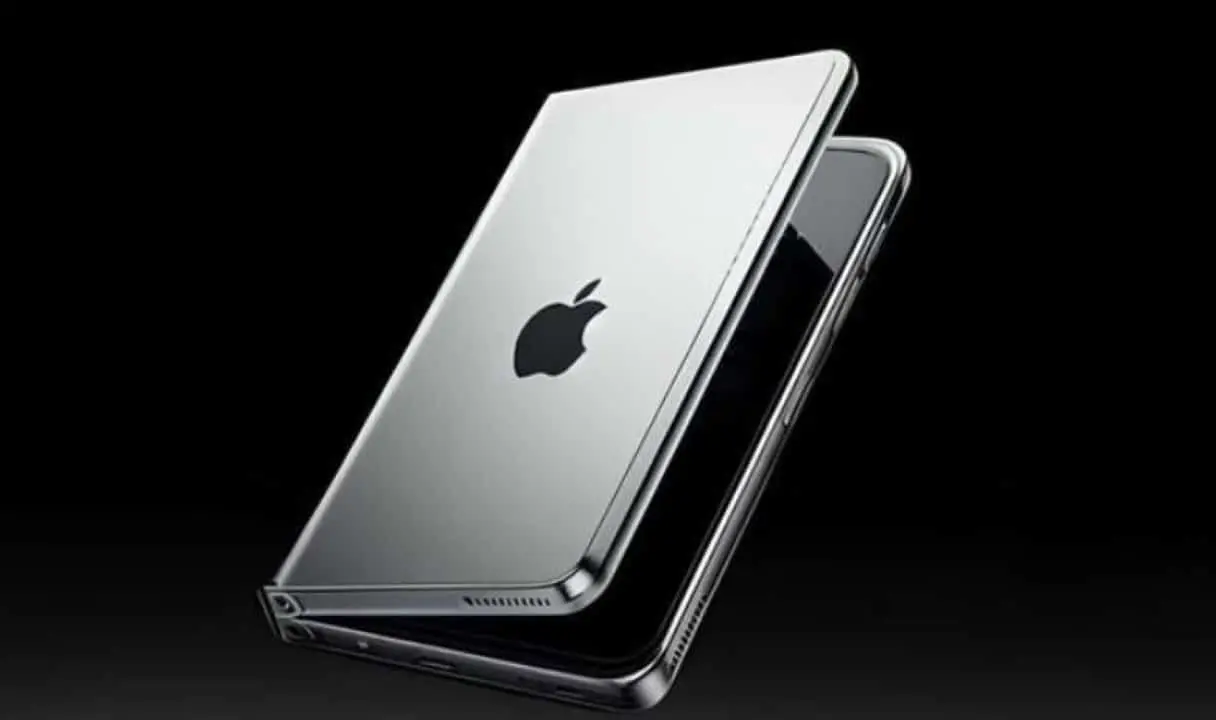
Three-dimensional images recently released by content creators specializing in technology reveal the possible design of the first foldable smartphone from Apple. The device, provisionally called iPhone Ultra, features a book-style opening format and brings significant innovations to its physical structure. The leak points to the inclusion of a 5800 mAh battery, an unprecedented capacity in the North American manufacturer’s cell phone portfolio. The renderings also detail an extremely thin chassis, indicating that the company seeks to resolve one of the main complaints from users of current foldable devices. The released material offers the clearest view to date on how the company plans to enter this specific segment of the mobile device market.
Ultra-thin structure and high-strength materials
The hollow dimensions indicate intense engineering work to reduce the device’s volume. The model is 9.5 millimeters thick when closed and reaches just 4.5 millimeters when fully opened. Estas measurements put the device in direct competition with the thinnest models in the sector, even surpassing projections for the supposed iPhone Air, which would be 5.6 millimeters. In today’s market, the 4.5mm thickness rivals advanced designs from South Korean and Chinese competitors, setting a new standard for the foldable category.

To support such a thin profile without compromising the physical integrity of the cell phone, the structure uses an improved titanium alloy. Este material, already adopted in the brand’s most recent lines, offers a superior relationship between strength and weight when compared to traditional aluminum or stainless steel. The choice of titanium allows the chassis to withstand the daily mechanical stress of opening and closing the screen, keeping the total weight of the equipment at comfortable levels for continuous use.
The hinge mechanism, a critical point in any foldable smartphone, received special attention in the leaked design. The assembly combines liquid metal components with parts manufactured using 3D printing, resulting in a more compact and durable system. Esta engineering approach aims to reduce internal friction and increase the life of the mechanism, as well as minimizing the space occupied by gears inside the phone casing.
Technical specifications and power capacity
The set of leaked information details crucial aspects of the hardware that will equip the new model. The data points to a device focused on productivity and autonomy, essential features for users who demand larger screens. Key specifications include:
- Thickness of the closed device: 9.5 mm.
- Open device thickness: 4.5 mm.
- Total battery capacity: 5800 mAh.
- Main camera sensor: 48 megapixels.
The inclusion of a 5800 mAh battery represents a substantial leap compared to conventional models currently sold. The internal space of a foldable device often imposes limitations on the size of the power cell, but the book-shaped design allows for the distribution of two interconnected batteries across the chassis halves. Esta Increased capacity is required to power the large internal panel and support the processing required by multiple simultaneous tasks.
The image capture system maintains the brand’s high resolution standard, with a 48 megapixel main sensor positioned on the rear. The external design also incorporates the interactive pill-shaped cutout on the front screen, ensuring continuity of the visual identity of the current line. The presence of this element indicates that the external display will function as a complete smartphone, without limiting basic functions when the device is closed.
Leia Também

Messi reaches 19 goals in FIFA World Cups with great free kick for Argentina in clash with Jordan

Cristiano Ronaldo shines beyond the pitch at the 2026 World Cup with business empire and family luxury

At 41, Cristiano Ronaldo reaffirms his historic legacy and prepares to shine in the 2026 World Cup
Dual screens and operating system adaptation
The flexible internal display features advances in reducing the central crease, an inherent feature of foldable screen technology. The leak suggests that the marking in the fold area is just 0.15 millimeters deep, making it virtually imperceptible to touch and sight during normal use. Para protect the light-emitting panel, the design uses a double layer of ultra-thin glass, combining UTG and UFG technologies to ensure flexibility without sacrificing scratch resistance.
The user interface will undergo profound modifications to take advantage of the expanded internal screen area. The operating system will adopt visual and functional elements similar to those found on the company’s tablets, allowing two applications to run side by side natively. Window management and the fluid transition between the external and internal screen require a state-of-the-art processor, manufactured in 2 nanometer lithography, to guarantee performance without overheating the thin chassis.
The development of specific software for the foldable format demonstrates the manufacturer’s strategy of integrating hardware and system in a unified way. The ability to drag and drop files between open applications simultaneously turns the device into a portable work tool, distancing it from use strictly focused on media consumption and social networks.
Impact on the global mobile device market
The North American company’s entry into the foldable segment occurs at a time of consolidation of this technology. Enquanto other Asian manufacturers are already in their fifth or sixth generations of flexible devices, the strategy of waiting for the components to mature reflects the brand’s historical pattern. Addressing chronic issues such as screen fragility and excessive thickness appears to be the main focus before a large-scale commercial launch.
Information from the supply chain indicates that mass production of components has not yet begun. The current prototypes are used for durability testing and design validation with parts suppliers at Ásia. The development schedule suggests that the final product will undergo several engineering reviews before reaching the shelves, maintaining the secrecy characteristic of the company’s operations.
The iPhone Ultra leak changes the technology market’s expectations for the next release cycles. The combination of premium materials, long battery life and reduced thickness sets new benchmarks for the competition. Até At the moment, the manufacturer has not issued official statements about the development of foldable smartphones, maintaining its strict policy of not commenting on rumors or speculation about unannounced products.