
Negotiations between Iran and the US fail after nuclear demands and increase the risk of new naval bombardments

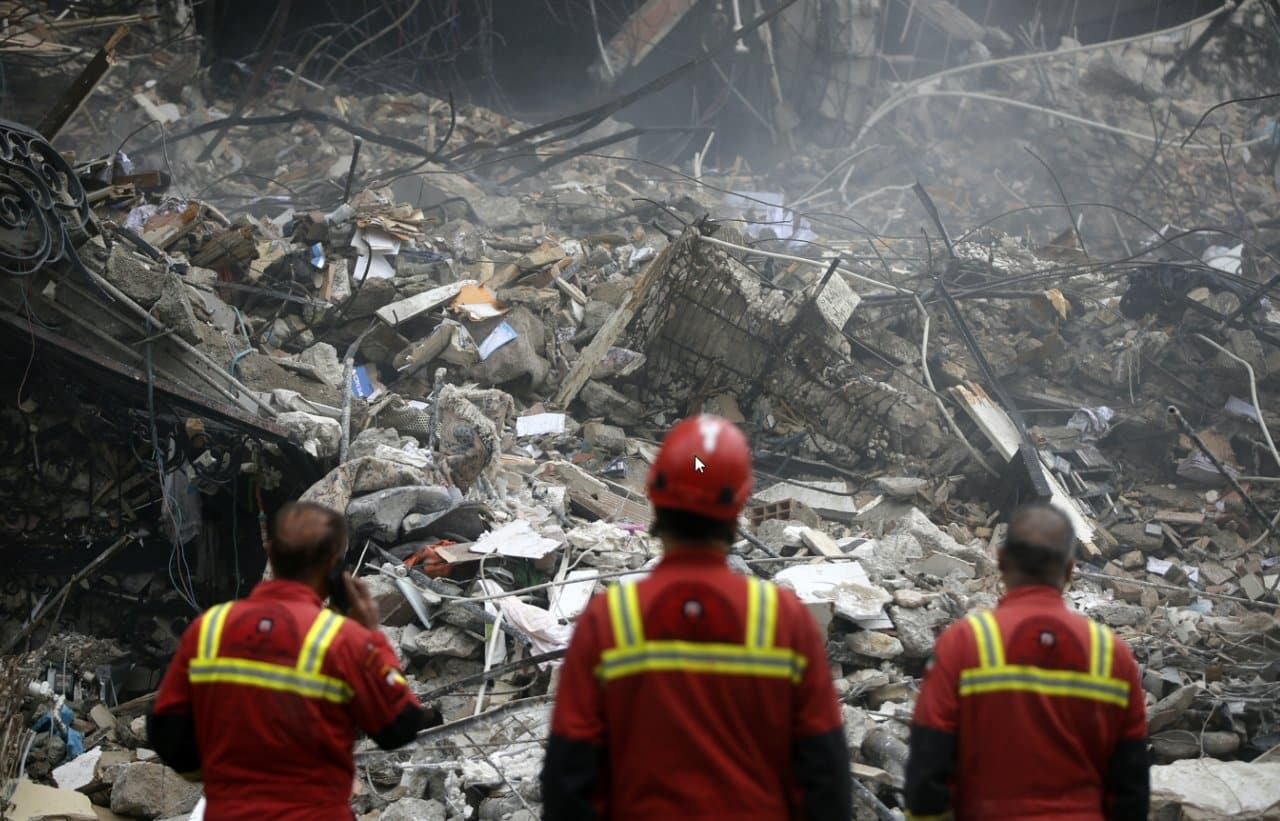
Negotiations between Irã and the USA ended without consensus in the early hours of this Sunday (12), after twenty-one hours of uninterrupted meetings held in Islamabad, the capital of Paquistão. The governments sought to establish a treaty to consolidate the fragile ceasefire in force two weeks ago in the region of Oriente Médio. The American delegation demanded absolute guarantees that the Iranian administration immediately halts any development aimed at building nuclear weapons. In contrast, the envoys of Teerã conditioned any pact on the release of the country’s assets frozen abroad and the relief of sanctions dictated by Washington. The impasse resulted in the abandonment of the negotiating table, leaving the status of the temporary truce in a zone of uncertainty. The attempted rapprochement takes place in the midst of a conflict that has already lasted more than six weeks and affects global stability. Autoridades Pakistani women try to prevent the immediate resumption of hostilities between the forces involved.
Demands and impasses over the atomic program
The development of nuclear technology by the Iranian Estado constituted the main barrier to the advancement of diplomatic negotiations. Representantes The Americans made it clear that they would not make concessions without the total guarantee of a halt to Asian atomic activities. The central requirement was the implementation of verifiable and rigorous continuous inspection mechanisms. Americans demand that the country not seek to produce an atomic warhead under any circumstances. Eles also demand the dismantling of any infrastructure capable of manufacturing the artifact quickly. Esse point was treated as a non-negotiable limit at the mediation table. Sem this technical advance, diplomats considered progress on other fronts to be unfeasible. The absence of mutual trust imploded the foundations of the initial dialogue.
Members of Ministério of Relações Exteriores of Irã classified the diplomatic requests as disproportionate and incompatible with national sovereignty. Porta-voices from the chancellery argued that the infrastructure maintained by the government has strictly civil purposes, categorically rejecting accusations of hidden warlike intentions. State media highlighted that the talks took place under an atmosphere of deep distrust from the first minutes of the meeting. The inflexible position exposed the absence of an acceptable middle ground for the inspection of military areas in the Persian country.
History of breaches of previous agreements weighed on the atmosphere of official conversations, increasing the skepticism of bureaucrats present in the rooms of the government complex. The Iranians insisted that any limitations on their scientific projects must be accompanied by robust documentary guarantees provided by the international community. Eles requested immediate financial reparations for the logistical losses suffered over years of strict trade embargoes. The lack of convergence on the chronological order of concessions definitively halted the debates. The Western representation refused to deliver economic benefits before the unrestricted and in-person inspection of nuclear installations. Essa Structural calendar discrepancy made it impossible to prepare a preliminary draft for any long-term treaty.
Control and security on commercial maritime routes
Estreito’s management of Ormuz has generated severe friction between nations, due to its vital importance to the global fossil energy trade. Este The maritime channel accounts for the daily transit of a substantial portion of all the crude oil consumed on the planet. The local government requested recognition of its exclusive and definitive authority over navigation in adjacent territorial waters. The delegation suggested charging transit fees to civil commercial vessels using the route to reach distant ports. The foreign team categorically rejected the unilateral tariff proposal, defending free navigation guaranteed uninterruptedly by international maritime laws. American diplomacy demanded the military presence of the naval coalition to physically protect independent cargo ships. The divergence profoundly accentuated the risk of armed clashes in the main area where flammable barrels were transported. The lack of definition regarding military patrolling keeps the narrow passage under constant threat of prolonged logistical interruptions. The commercial scenario awaits resolutions to reestablish full port security.
During the period in which the conferences were taking place on Asian soil, the military command moved heavy destroyers to the restricted zone of Ormuz. The official justification pointed to the urgent execution of tactical maneuvers aimed at sweeping and removing preventive underwater mines. The Oriente Médio administration denied installing explosive traps in the fluid area and interpreted the naval mobilization as unjustified intimidation.
The negotiating teams officially registered the main demands that kept the government blocs away from an effective peaceful signature:
- American demand for a total and verifiable shutdown of installed nuclear enrichment infrastructure.
- Iranian demand for the immediate release of foreign exchange funds locked in financial institutions based abroad.
- Direct dispute by customs collection authority and naval transit control on Golfo Pérsico.
- Request for emergency and massive financial reparations related to the physical damage accumulated by the recent civil war.
- Establishment of armored international security safeguards for the uninterrupted maintenance of the comprehensive regional ceasefire.
These topics clearly demonstrate the systemic complexity of the conflict, which transcends the pure ballistics agenda and affects sensitive macroeconomic parameters. The scarcity of voluntary concessions on any of the documented items reinforced the historical operational freeze of the mobilized chancelleries. Nenhuma of the federations showed the minimum diplomatic willingness to give in and modify the central structuring axes of the territorial defense doctrines themselves. The inconclusive end of the forums perfectly illustrates the chronic and irreversible crystallization of these diametrically opposed sovereign positions.
Statements by authorities and government stance
The head of the American Executivo expressed intense indifference towards the immediate collapse of bilateral talks during interactions with media stations. In short dialogues given to journalists on the presidential lawn, the president openly minimized the end of the long diplomatic meeting without a formal peaceful handshake. Ele assured that the North American republic had already fully consolidated its short-term strategic objectives in the dangerous conflict region. The view disseminated by the leadership categorically points out that the absence of a legal paper document does not take away the territorial and tactical advantages already achieved by uniformed troops. The incumbent politician publicly reiterated that complex naval cleaning and commercial security operations will continue to be active regardless of the wishes of third parties. Essa firm and inflexible vocal demonstration contrasted markedly with the gigantic and expensive effort of transporting senior cabinets on official planes to the other side of the planetary hemisphere. The exposure of this line of thinking solidified the general consensus among analysts that the envoys stepped into Ásia with an excessively narrow scope for negotiating maneuvers. Integrantes of allied European powers followed and absorbed the harsh rhetoric with notable apprehension and skepticism regarding the peaceful and stable maintenance of the truce agreed days before.
The Western delegation quickly emptied the luxurious Pakistani government facilities after issuing a very brief statement and issuing statements to the press vehicles housed there. The leader of the delegation continued under strong armed escort towards the international airstrip to take off towards América from Norte as quickly as possible. Throughout his timed public reading lasting just a few minutes, the spokesperson for Estado omitted crucial information regarding the fate of the provisional non-aggression agreement and absolutely ignored all the questions raised by the reporters present. The discursive strategy chosen aimed solely and exclusively at completely blaming and stigmatizing the opposing delegation for the complete and predictable collapse of the desired structured dialogue. The bureaucratic body in suits and ties refrained from making any minimal reliable signaling regarding possible future and unprecedented rounds of meetings in neutral capitals in the short term.
Through Iranian state television channels, the institutional narrative broadcast firmly argued that the chronic stubbornness of Anglo-Saxon envoys made the joint signing of an acceptable and balanced pragmatic pact for local popular sovereignty unfeasible. Ministros and senior diplomatic agents have repeatedly reaffirmed that the Eastern administration continues to display the sincere theoretical willingness to resume organized discussion in the future in respectful and appropriately appropriate multilateral environments. The chancellery coldly assessed through a note written and distributed to citizens that the violent and imperative Western demand for totally unilateral technical disarmament completely destroys the sacred basic principles of the right to self-determination guaranteed to free peoples.
The mediation role of the Pakistani government
The leaders of Paquistão took on the complex and thankless logistical role of closely managing the severe damage to their image caused by the hasty abandonment of the agreement tables. Eastern Ministério of Relações Exteriores issued formal public notes in an emergency tone urging both powerful and rival capitals to honor in every way and maintain the fragile temporary containment of firing. Representantes country officials sought to make rival leaders aware of the inevitable, deeply catastrophic humanitarian consequences generated by a rapid and undesirable return to massacres of continental proportions. Facilitadores Diplomats experienced in crisis control worked intensely in an attempt to contain the heated and hostile moods recorded in the agonizing and final hours of the short summit conference. Estes professionals reached the limit of organizing routines for sending printed and verbal messages conducted indirectly through walls when face-to-face coexistence in the same restricted environment proved to be unfeasible and filled with blind fury. The planning carried out aimed to categorically stamp and establish the Asian Muslim metropolis as an efficient peaceful beacon in the epicenter of the geographic tension of Ásia Central. Internal diplomacy continues to activate obscure communication channels behind the troubled scenes of supranational entities in order to postpone heavy actions and sanction blockades during the next crucial weeks.
The host diplomatic corps again offered its facilities to host future emergency conciliation sessions. Autoridades emphasized that the interruption of the meetings does not represent the definitive collapse of the peaceful path. Especialistas point out that Paquistão’s geopolitical position is extremely delicate in this continental conflict. The nation shares borders with Irã and maintains intelligence partnerships with Estados Unidos. Regional stability is treated as a top security priority by the local government. The administration fears that a military escalation will provoke uncontrollable waves of civilian refugees. Interrupções on supply routes would also destructively affect the country’s economy. Islamabad tries to balance alliances with the urgency of keeping the neighborhood protected. The pressure on negotiators grows as the truce expires.
Global economic effects and energy market
The lack of security guarantees at ship passages resulted in the spread of direct instability across the main Western and Eastern trading exchanges in the space of a few hours. The trading desks of global banks quickly changed the pricing of financial premiums systematically fearing the acute interruption of crucial oil shipments constantly extracted from wells in Oriente Médio. The global insurance and policy management sector compulsorily raised the minimum financial funding floors for maritime fleets and commercial oil tankers scheduled to cross the risky water area in Golfo Pérsico. The sudden The inflationary jump in naval transport logistics quickly spills over into the final pockets of consumers located in emerging and rich nations that are massively dependent on the continuous injection of raw Asian energy inputs.
The immutable continuity of the punitive financial embargoes articulated in the wake of the disagreement keeps reserves of foreign currencies considered indispensable by the affected administration for the regulation of its own industrial park and civil imports. Estas banking sanctions applied by the treasuries of Europa and América of Norte drastically paralyze the global mercantile breath of an entire nation prevented from transacting and monetizing its enormous extractive stocks in an unhindered manner. The strangulation drastically limits the essential import of primary technological items and hinders the establishment and ratification of promising plural commercial partnerships with the robust consumer market not aligned with classic Euro-American dictates. The largest independent financial conglomerates avoid approving or settling transfer invoices and remittances linked to companies of Iranian origin, severely fearing the imposition of confiscatory fines by foreign supervisory bodies. Instituições depositories assess that the legal risk in no way compensates for the tiny portion of bank gain and automatically exclude business accounts from their robust digitized dollar management systems. The absence of perspectives in the sphere of conversations condemns the private network to bypass endless exhaustive logistical and operational challenges.





