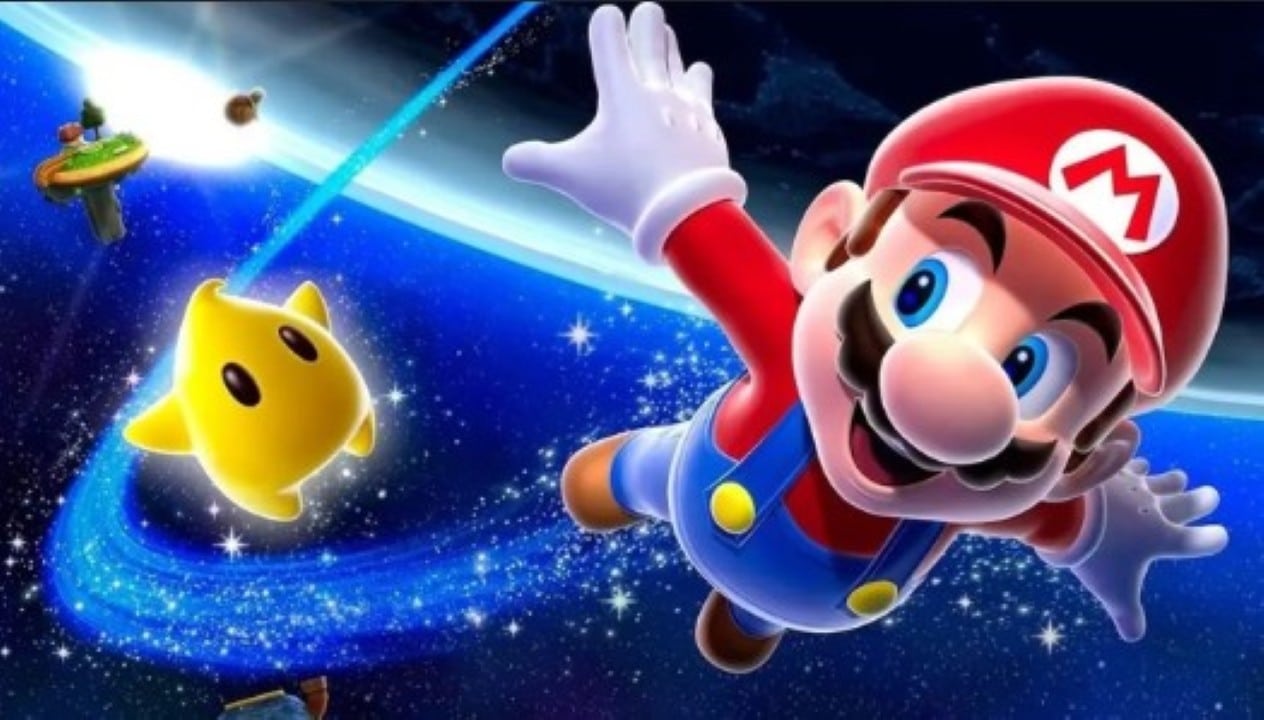
Nintendo has officially confirmed the production of a new animated film based on the acclaimed game Super Mario Galaxy, marking an ambitious step in expanding its intellectual properties into the film industry. The project, which is being developed in partnership with Illumination Studios, promises to raise the standard of video game adaptations by focusing intensely on unprecedented visual effects and the recreation of the complex spatial physics that established the original title. The decision to adapt one of the best-rated games in the company’s history reflects an aggressive strategy to consolidate the brand’s presence in the global digital entertainment sector. Directly supervised by central figures from the Japanese company, the work seeks to capture the essence of the intergalactic adventure initially presented on the Wii console. The initiative comes after the strong commercial performance of the company’s recent forays onto the big screen, indicating that the gaming giant is willing to invest substantial resources in its expanded universe.
The visual revolution and gravity mechanics on the big screen
The main technical and artistic challenge of the new animation lies in the transition from gravity mechanics and spherical planets to purely cinematic language. The animation team at Illumination is developing specific tools to simulate the sensation of weight, variable gravitational attraction and fluid movement of characters in zero gravity environments. Essa rigorous approach aims to ensure that viewers feel the same vertigo and wonder that players experienced when navigating the galaxies in 2007. Visual fidelity and the physical behavior of on-screen elements are treated as absolute priorities by the producers involved.

Shigeru Miyamoto, creator of the franchise, and Chris Meledandri, executive at Illumination, are working together to ensure that the game’s unique aesthetic is preserved and simultaneously enhanced by modern graphics rendering technologies. Testes initial lighting and textures have already been carried out in the studios, seeking to recreate the brightness of the stars, the refraction of light in cosmic dust and the reflections on spacesuits with a level of detail unprecedented in the studio’s history. The declared intention is for the film to not only function as a faithful reproduction, but as a true visual expansion of the universe already known to the consumer public.
Expansion of the universe and the introduction of new characters
One of the most anticipated points of the adapted narrative is the introduction of Rosalina, a central and enigmatic character in the mythology of Super Mario Galaxy. The inclusion of the protector of the cosmos and adoptive mother of the creatures known as Lumas promises to add a layer of emotional depth to the story, elements that stood out strongly in the original material through short stories read during the game. The script has dedicated special attention to balancing the classic adventurous and dynamic tone of the franchise with the more introspective moments involving the origin and past of Rosalina.
On the antagonists’ side, Bowser returns with a threat of universal proportions, abandoning known terrestrial settings. The plot moves the villain away from traditional attempts to dominate Reino Cogumelo and places him in command of an immense star fleet, with the aim of rewriting the very structure of the universe through the manipulation of cosmic reactors. Essa Dramatic raising of the stakes requires much grander sets and action sequences that explore the vastness of outer space and the destruction of celestial bodies.
To support this new narrative and visual scale, the production defined clear guidelines on the fundamental elements that make up the film’s structure:
- Development of three-dimensional environments that explore the physics of small spherical planets and crossed gravitational fields.
- Integration of the character Rosalina and the creatures Lumas as central pieces of the dramatic arc and conflict resolution.
- Creating a detailed space fleet for the villain Bowser, expanding the scope of the threat to an intergalactic level.
Sound innovation and the franchise’s musical heritage
The sound department is treating the soundtrack and audio effects with the same grandeur dedicated to the computer-generated visuals. Composer Brian Tyler, using state-of-the-art three-dimensional audio technologies, is creating soundscapes that simulate the acoustics of the vacuum of space and the echo of distant galaxies. The music of Super Mario Galaxy, which was originally orchestrated and widely praised by specialized critics, will serve as the structural basis for a new symphonic interpretation that will accompany the cosmic journey of the protagonists.
In addition to the orchestral work, the production confirmed that the vocal legacy of Charles Martinet, the original voice of Mario in video games for decades, will be honored and integrated in a special way into the sound design. The audio engineering team seeks to modernize the classic sound effects of jumps, coin collections and environmental interactions, ensuring that the franchise’s auditory identity remains intact while adapting to the demands of a massive cinema production. Sound immersion is considered a fundamental tool for transporting audiences from movie theaters directly to the space.
Market strategy and creative control at Nintendo
The film’s financing strategy reveals Nintendo’s conservative and independent stance regarding the management of its most valuable intellectual properties. The company chose to reject proposals from external investors, assuming the majority of production costs to ensure full and unquestionable creative control over the project. Essa financial decision reflects the company’s desire to avoid interference from traditional Hollywood studios that could mischaracterize the brand, maintaining the quality standard and loyalty that consumers expect from its products.
Marketing planning is already in an advanced structuring phase, with global launch events planned for large metropolises such as Tóquio, Nova York, Londres and São Paulo. The choice of these cities demonstrates Nintendo’s ambition to carry out a campaign with global reach, dialoguing directly with different consumer markets and consolidating the brand in multiple territories. Testes screenings with selected focus groups have already indicated an overwhelmingly positive reception regarding the fluidity of the animation and spatial production design.
The confirmation of Super Mario Galaxy in cinemas represents a milestone in the consolidation of Nintendo as a powerhouse in multimedia entertainment, transcending the manufacture of consoles and games. By investing massive resources in one of its most renowned and complex works, the company signals to the market that video game adaptations can reach new levels of technical and narrative excellence. The development of this project lays a solid foundation for future explorations of the company’s vast catalog of franchises on the big screen over the coming years.
