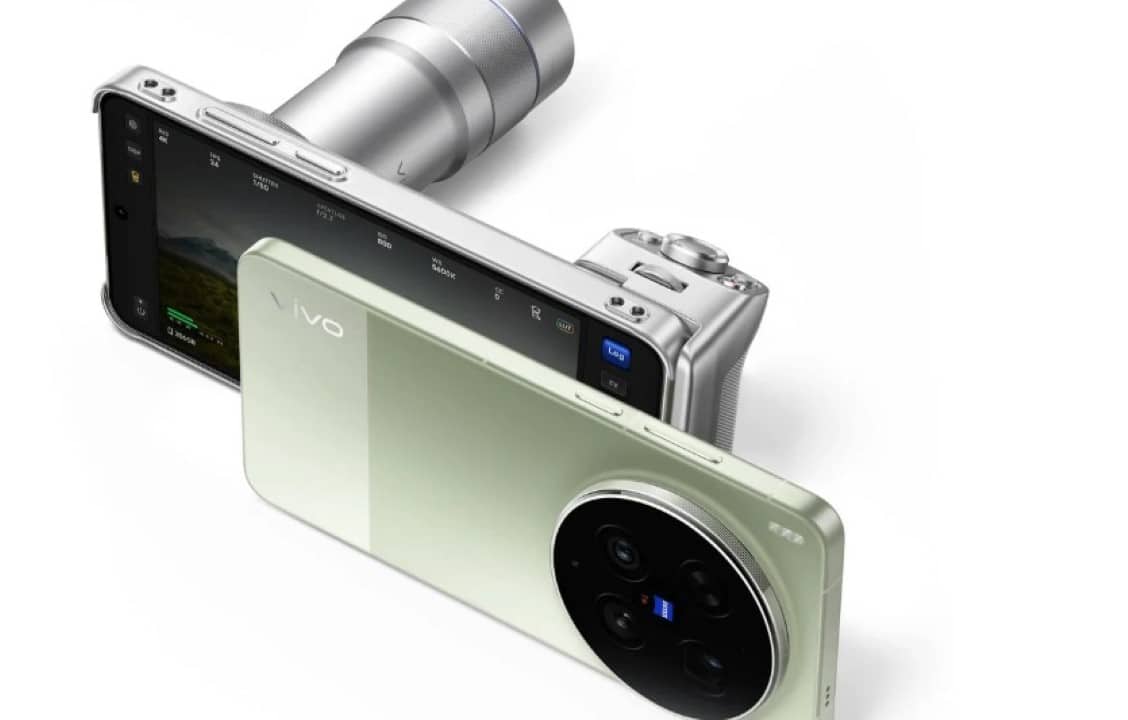
The internal structure of high-performance cell phones is undergoing a profound transformation to house increasingly larger photographic components. A detailed technical evaluation of the new smartphone Vivo X300 Ultra shows the engineering solutions applied by the manufacturer to integrate robust camera modules without compromising the device’s ergonomics. Hardware mapping reveals a complete reorganization of the mainboard and heat dissipation mechanisms. Esse Industrial effort is required to maintain operating system stability during continuous processing of heavy images.
The structural design of the equipment indicates a change in the way the space inside the metal chassis is distributed. The requirement to incorporate high-resolution lenses forced the brand to redesign traditional secondary components. Essa change modifies the manufacturing standard adopted by the technology industry in recent years. The miniaturization of peripheral parts appears as the main factor for the success of this internal architecture. The optimized arrangement ensures that the device maintains the standard thickness for the high-end category, preventing the cell phone from becoming heavy for daily use with just one hand.

Chassis adaptation to house large optical sensors
The installation of the main sensor Sony Lytia 901, which has dimensions close to one inch, required a redesign of the layout of the printed circuit boards. Para To enable the operation of this 200 megapixel primary lens, the engineering team needed to develop specific cutouts in the aluminum structure. Essa technique allows the photographic assembly to fit without putting pressure on the front glass panel. The Samsung ISOCELL HP0 periscopic telephoto lens, also with 200 megapixels, occupies a considerable area on the top of the phone.
The size of these lenses necessarily determines the positioning of the battery and main power connectors. Essa physical configuration creates technical challenges related to electromagnetic interference between communication modules and image processors. The manufacturer installed additional metal shields and conductive tape around the cameras to isolate radio signals. The isolation ensures that the capture of photographs does not suffer from distortions caused by cell phone antennas. Protection of user-captured visual data is given top priority in the project.
Temperature management with multiple dissipation layers
Thermal control is one of the biggest physical obstacles in devices equipped with the Qualcomm Snapdragon 8 Elite Gen 5 processor. Visual inspection of the interior of the device shows a vapor chamber with enlarged proportions. The component was designed to simultaneously cover the central processing unit and high-speed RAM memory modules. Heat transfer occurs accelerated by the use of industrial standard thermal pastes and conductive adhesives positioned in high voltage areas of the logic board.
The thermal interface material directs the high temperature to the aluminum housing, which acts as a passive heatsink during intense use of the device. Placas of high-density graphite are distributed across the entire rear extension of the equipment, just below the glass cover. The strategy of using multiple layers prevents the accumulation of heat in isolated points. The system provides comfort during long video recordings at full resolution or when running processing-intensive applications.
Power architecture and internal peripheral distribution
The entire hardware set is powered by a 6,600 mAh battery, divided into double cells to improve the use of internal space and recharge speed. The two-part format allows the cell phone to withstand higher electrical currents without the risk of chemical overheating. The wired charging circuit reaches the 90W mark, which requires reinforced cables to connect the USB-C port to the power management board. The transmission cables have a polymer coating to ensure safe operation.
The induction coils for 40W wireless charging were compacted and installed below the main graphite layer. Proximity to the back cover increases the efficiency of electromagnetic energy transfer. Power management is supervised by a dedicated microchip that monitors the battery temperature in real time. The component automatically interrupts power if it detects thermal anomalies, protecting the main circuit against short circuits.
The use of internal space forced the stereo speakers and vibration motors to be moved to the ends of the metal chassis. The change freed up space in the center of the device for the 6.82-inch LTPO AMOLED screen connectors and the light sensor cables. The 3D ultrasonic fingerprint reader is attached to the metal frame under the display using an ultraviolet curing adhesive. Accuracy in the assembly of the biometric sensor is essential for the correct reading of sound waves.
Protection against external elements and modularity for maintenance
The smartphone’s physical durability features a sealing system that meets IP68 and IP69 certifications, withstanding continuous submersion and high-pressure water jets. The disassembly process shows the presence of vulcanized rubber rings around the carrier chip drawer, the USB-C port and the audio outputs. The glass back panel is sealed with a slow-drying polyurethane adhesive, creating a physical barrier against microscopic particles. Dust protection prevents solid debris from reaching the internal lens compartment and scratching the optical glass.
The main logic board has unique neural processing units, physically separated from the central processor. Dedicated chips take on the computational load when applying noise reduction algorithms to night photos. The system ensures that the camera’s viewfinder works without hiccups while the software compiles the raw data captured by the sensors. The wireless network infrastructure is distributed along the side edges through a plastic injection process that fuses the antennas directly to the metal of the chassis. The technique eliminates the need for long coaxial cables running through the battery.
The final assembly of the equipment reveals care taken with the longevity of the internal components in the face of daily use. The manufacturer uses high-density impact-absorbing foam between the battery and the back cover to minimize vibrations. The USB-C connector is fixed to an independent subboard, connected to the main motherboard by an easy-to-remove flexible cable. The engineering approach reduces the financial cost and repair time in case of mechanical wear of the data input.
Structural safety elements identified in the project
The central structure of the cell phone uses titanium alloy screws at points of greatest mechanical stress. The material prevents accidental twists in the user’s pocket from breaking the primary seal and exposing internal circuits to moisture. The intelligent modular design aligns the high-cost device with modern demands for sustainability and ease of technical maintenance. The strategic arrangement of the parts ensures that the mobile phone signal and Wi-Fi connections remain strong regardless of how the user holds the equipment.
Detailed hardware analysis exposes the manufacturing techniques used to protect the most sensitive parts of the device. The main structural safety elements identified during chassis opening include:
- Machined reinforced metal brackets around periscope lenses to prevent physical damage.
- Additional copper braids installed over display video connectors for isolation.
- Heat sink adhesives applied directly to flash storage chips.
- Plastic retention latches screw onto cables with higher mechanical stress to ensure continuous connection.
The logic board manufacturing process also incorporates gold tracks to improve electrical conductivity between the main processor and memory modules. The application of this noble metal reduces the internal resistance of the circuit, allowing image data to travel with less signal loss. The precision in the welding of microcomponents meets rigorous industrial standards, ensuring that the device maintains its maximum performance even after years of continuous use in different climatic conditions.