

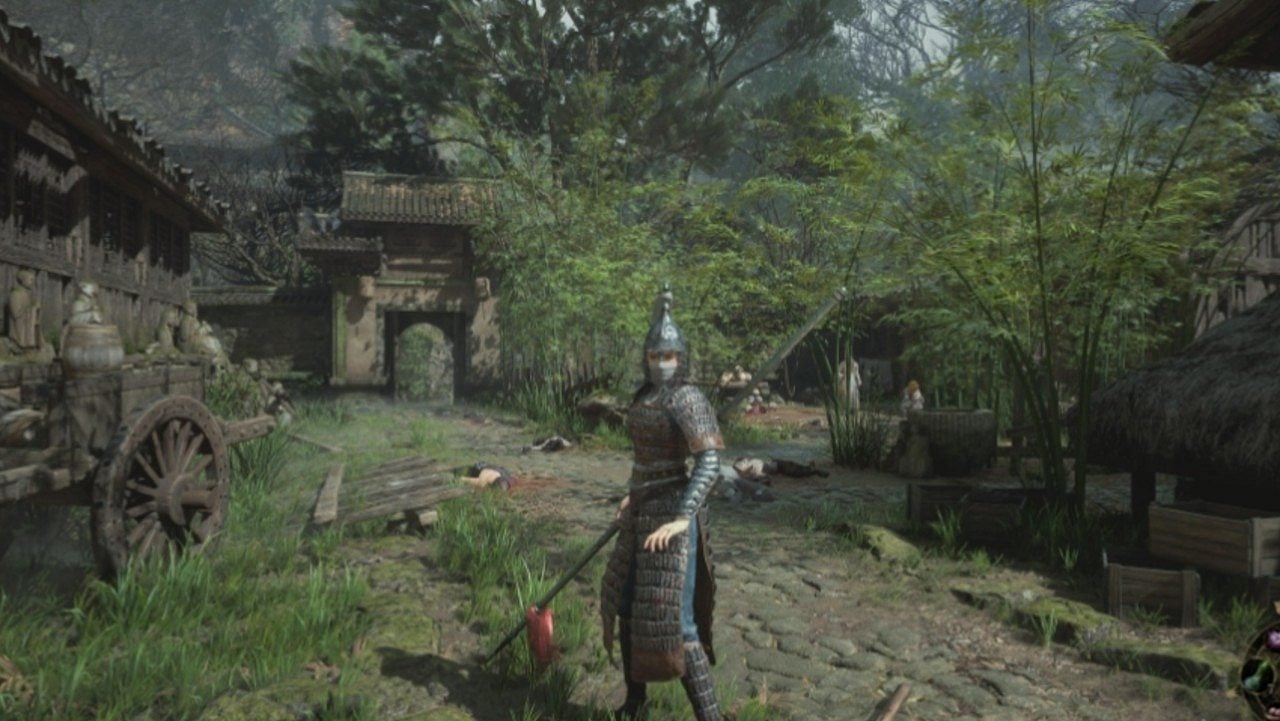
Leenzee, the studio responsible for developing the game `Wuchang: Fallen Feathers`, has closed its operations. The dissolution of the internal team came after a series of events, including the title’s poor reception and controversies surrounding an update. The game, a soulslike-style action RPG, had its development halted. Muitos employees were fired, according to information released by the Chinese portal Gamersky. The scenario raises questions about the future of similar projects in the Asian market. The project’s director also left the studio.
Disbandment of the team and refusal of proposal
After the negative reception of `Wuchang: Fallen Feathers`, Leenzee reportedly presented a proposal to the development team. The intention was for team members to continue working on the project on an outsourced basis, acting as external collaborators without a direct employment relationship with the company. However, the developer team chose to reject this condition.
With the refusal, Leenzee proceeded with the dissolution of the internal studio. Numerosos employees were dismissed from their duties, which directly affected the continuity of the game’s development. The decision even impacted the project director. The studio’s action was a direct response to general dissatisfaction with the game’s performance and image on the market.
Patch 1.5 generated controversy with players
Released in July last year, `Wuchang: Fallen Feathers` is a soulslike action RPG that managed to attract a considerable number of players, despite some optimization problems in its PC version. The game’s situation began to change significantly in August, when Leenzee released patch 1.5. Esta specific update provoked a series of criticisms and debates within the gaming community.
The main change introduced by the patch was the change in interaction with characters inspired by historical figures. The update prevented players from being able to eliminate these NPCs, which caused a fundamental change in gameplay. As a result, the behavior of certain bosses has been changed, resulting in collapses or surrenders instead of deaths in combat. Post-battle dialogue has also been rewritten.
- Prevented killing NPCs based on historical figures.
- Bosses inspired by historical characters now collapse or surrender, instead of dying in combat.
- Rewritten dialogue after battles involving these characters.
- Noticeable narrative changes in the arc of some missions.
Repercussion among gaming communities
The origin of the changes implemented in patch 1.5, as determined, came from internal pressure from the Chinese gaming community. Este group expressed opposition to the possibility of eliminating characters that represented figures linked to Dinastia Ming. The decision to modify the game initially aimed to please this segment of the local public and avoid possible cultural friction.
However, the attempt to harmonize with the Chinese public generated the opposite effect on Ocidente. The global community of players reacted intensely and predominantly negatively to the changes. The criticism quickly gained prominence on various forums and social networks, expanding the debate about developer autonomy and the influence of specific groups on the gaming experience. The dissatisfaction of Western players contributed to the title’s poor reception.
The future of add-on content and the industry landscape
With the dissolution of the Leenzee development team, the future of `Wuchang: Fallen Feathers` becomes uncertain. According to available information, there were several additional content, or DLCs, that were being prepared for the game. With the core team disbanded, it’s likely these expansion packs will never be released. Isso represents a loss for players who expected new experiences within the game’s universe.
This event comes at a challenging time for the gaming industry, especially in the soulslike segment and among mid-sized studios. The restructuring of Leenzee and the dissolution of its development team echoes what recently happened with the studio of `The First Berserker: Khazan`, which also underwent organizational changes due to unmet sales expectations. Esses cases highlight the volatility and pressures faced by game developers.