New Google smartphone guarantees seven years of support and brings advanced artificial intelligence
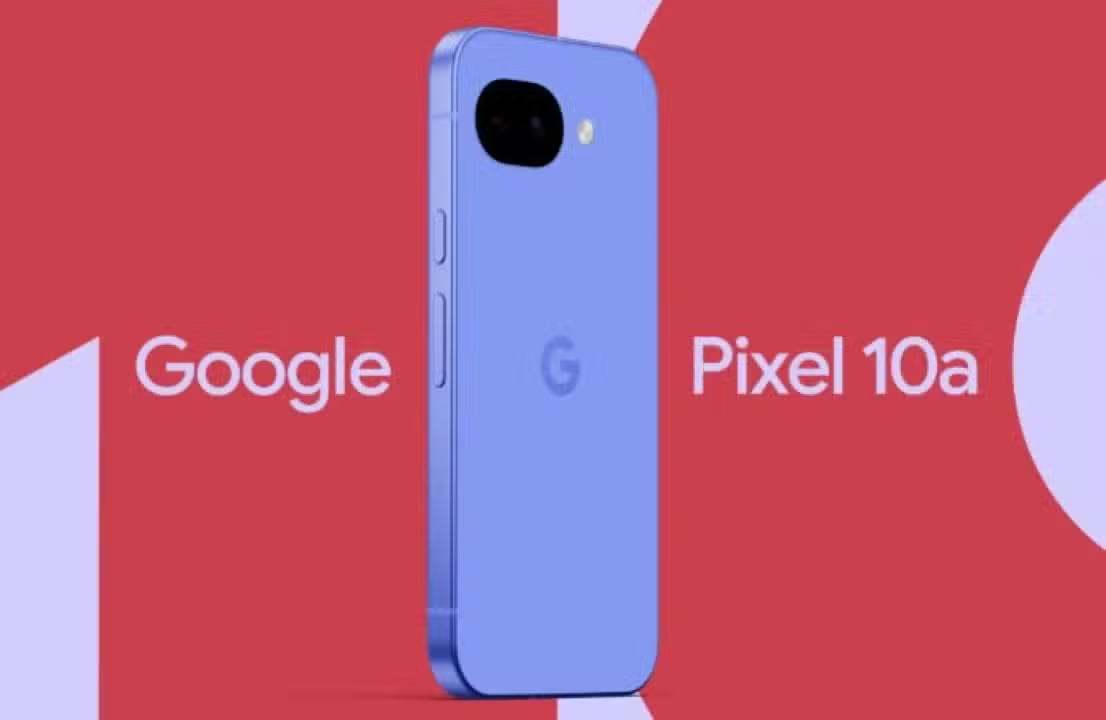
Google officially announced the launch of the Pixel 10a, the company’s latest bet for the premium mid-range smartphone segment. The device arrived on the North American market on February 18, 2026, with a suggested price of US$499.00 for the base version with 128 GB of storage. Pre-sale number Japão is confirmed for March 5, 2026, marking the global expansion of the product.
The new generation focuses on democratizing cutting-edge features, maintaining the line’s essence of offering high photographic performance and deep integration with the operating system. The manufacturer is betting on an extended life cycle, guaranteeing software updates for an unprecedented period for this price category. The movement seeks to attract consumers who want durability without having to invest in the brand’s most expensive models. The device leaves the factory running Android 16.
新しいPixel 10th Page 499ドルです。
*米国の 500 ドル(希望小売価格)未満のスマートフォンに関して Pixelの第三者評価に基づく…pic.twitter.com/2X9wwVc8wH
— Google (@Google)2026年2月18日
Design changes and advances in screen quality
The visual architecture of the new cell phone presents a significant departure from its direct predecessors. The company decided to remove the traditional rear camera bar, adopting a completely flat panel that gives the equipment a more minimalist and modern look. Essa change not only modifies the ergonomics of daily use, but also facilitates the adaptation of protective covers and magnetic accessories. The chassis structure is manufactured from fully recycled aluminum, reinforcing the company’s environmental commitment to reducing the carbon footprint of its electronic products. On the front, the 6.3-inch Actua display steals the show with its variable refresh rate that reaches up to 120 Hz. Essa improved fluidity ensures smooth interface transitions and a superior experience while consuming videos and gaming. Maximum brightness has been raised to make viewing easier in direct sunlight, solving a common complaint from users of previous generations. Para ensure resistance against drops and scratches, the screen is protected by Gorilla Glass 7i glass. The set also has IP68 certification, attesting to its protection against water and dust in adverse scenarios.
The color options made available to the public reflect a sober and elegant palette. Consumers will be able to choose between shades Lavanda, Berry, Fog and Obsidian, depending on availability in each region. Official pre-sales at partner stores include promotions with credits and gift cards to encourage early product adoption.
Robust processing and neural integration
The heart of the new smartphone is the Tensor G4 processor, the same high-performance chip that powers the brand’s main line. Essa strategic choice allows the device to perform complex machine learning tasks directly on the device, without relying exclusively on cloud processing. The 8 GB RAM memory works in conjunction with internal storage options ranging from 128 GB to 256 GB. The chip’s architecture has been optimized to handle multiple applications simultaneously and support the growing demands of next-generation virtual assistants. The focus on artificial intelligence reflects the company’s vision for the future of mobile computing.



The camera system benefits immensely from this advanced processing power. The 48 megapixel main sensor works alongside a 13 megapixel ultrawide lens, capturing images with a high level of detail. The front camera, also 13 megapixels, guarantees clear selfies and high-quality video calls in any light condition.
The real photographic power lies in the software features built into the operating system. The manufacturer has integrated editing tools that transform the way users interact with their galleries. The Magic Editor lets you change complex photo elements with just a few taps on the screen, while the Best Take function combines multiple shots to create the perfect image of a group of people. Night processing has been improved to reduce noise in dark environments.
Battery life and new connectivity options
Energy management received special attention during the development of the device’s engineering design. The 5100 mAh battery represents a considerable leap in capacity, designed to withstand heavy use of social media, GPS navigation and media playback throughout the day. Under normal conditions of use, the manufacturer guarantees that the component provides more than 30 hours of autonomy away from sockets. Para emergency situations or long trips, the extreme battery saving mode can extend this time to an impressive 120 hours by disabling secondary functions and prioritizing basic communication. Wireless charging in the Qi standard has been maintained, offering convenience for those who prefer induction bases on desks or nightstands. Connectivity also follows the latest telecommunications industry standards. Support for Wi-Fi 6E ensures fast downloads and stable connections on congested home networks. The Bluetooth 6.0 improves pairing with wireless headphones and smart watches, while the NFC chip facilitates contactless payments in commercial establishments.
Flexibility for using telephone lines is guaranteed by dual SIM support. The user can combine a physical chip in nano format with a virtual eSIM, ideal for those who travel internationally or need to separate professional and personal contacts. The inclusion of the satellite SOS system adds a vital layer of security in remote areas without cellular network coverage.
System longevity and impact on the global market
The big competitive differentiator of this generation is the promise of seven years of continuous software support. Isso means that the device will receive operating system updates, security packages and new features by the year 2033. Essa aggressive policy resets expectations for the mid-range category, pressuring other manufacturers to abandon the practice of early planned obsolescence.
- Guaranteed to receive new versions of Android for almost a decade.
- Monthly security packages against digital threats and emerging vulnerabilities.
- Periodic inclusion of new tools through automatic updates in the cloud.
- Appreciation of the device in the used electronics resale market.
The product’s arrival at Japão in March 2026 illustrates the importance of the Asian market for the company’s hardware division. The country has proven to be fertile ground for the adoption of technologies integrated into the brand’s ecosystem, directly rivaling local manufacturers and other global giants. The aggressive price of US$499.00 on Estados Unidos positions the equipment as one of the best cost-benefit options of the year, considering the complete hardware and software package offered. Analistas market forecast that initial sales should surpass those of the previous generation, driven mainly by curiosity around new artificial intelligence tools. The marketing campaign will focus on durability and ease of use, trying to attract a diverse audience ranging from young content creators to corporate professionals. The success of this model could dictate the direction of the next launches in the mobile technology industry.
Veja Tambem em Latest News (EN)

Italian Supreme Court confirms legality of hotel that offered only mineral water to customer

National Geographic Traveler Announces Travel Photography Contest Winners

Ferrari presents Luce, the first electric car, and receives harsh criticism from fans and the market

Yuki Yamada posts photo with beard and grimace on Instagram and surprises fans

Costco sees record demand at U.S. gas stations with lower prices

Passenger tries to enter cockpit and forces diversion of United Airlines flight to Madison

Astronomer explains white light recorded after meteor falls near volcano in Philippines

Comedian Sakamoto-chan reveals type 2 diabetes remission after lifestyle changes

Avi Loeb says discovery of alien intelligence can unite humanity amid global crises

Police investigate death of Hilde Ann Lynn Helphenstein in room at Rosewood São Paulo
Avi Loeb suggests that dark comet 1998 KY26 could be Soviet probe Phobos 1