New Xiaomi 17 and Ultra version smartphones hit the global market with a focus on professional photography

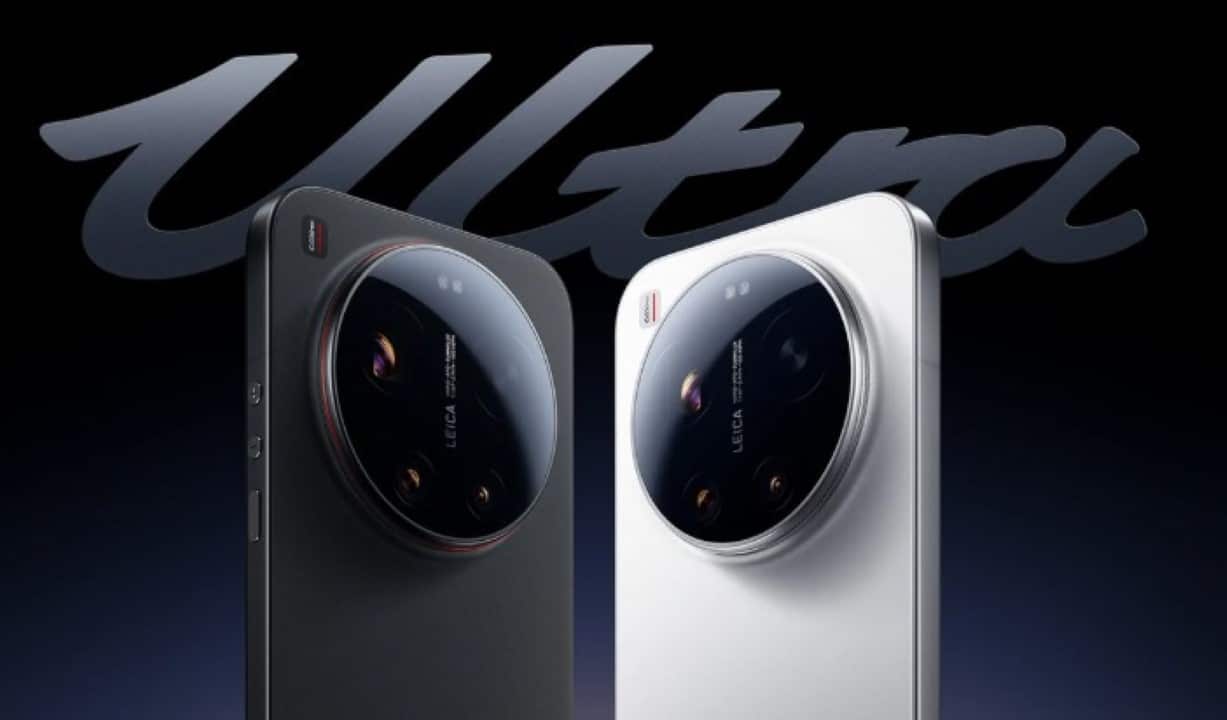
The Chinese manufacturer Xiaomi presented the new line 17 smartphones to the global market during the Mobile World Congress event, held in Barcelona. The devices arrive to compete in the high-end segment with a focus on robust processing and imaging systems developed in partnership with the German brand Leica. The international revelation takes place after the initial launch of the devices in the Asian market.
The company’s strategic move aims to consolidate its presence in Europa and other selected regions, offering cutting-edge hardware for demanding consumers. The standard and Ultra models feature specific adaptations for the international audience, including adjustments to battery capacities and resistance certifications. Especialistas from the sector point out that the integration of advanced artificial intelligence tools will be the brand’s main competitive differentiator in this generation. The arrival of the equipment in Brazilian territory still depends on official confirmation from the local subsidiary.
Visual architecture and display quality
The physical construction of the new terminals reflects different approaches for different user profiles, maintaining the premium finish as a unifying element. The conventional model adopts a more compact and ergonomic format, weighing just 191 grams and featuring a thin thickness that facilitates prolonged handling. Seu rear camera module has a square shape, positioned in the top corner, while the flat aluminum sides guarantee a firm and secure grip. On the other hand, the most advanced variant embraces an imposing design, characterized by a huge centralized circular block that houses the complex optical system. Este equipment weighs up to 219 grams, justifying its extra volume by the inclusion of professional-grade photographic components and a more robust cooling system. Ambos the devices share IP68 certification, which attests to resistance against submersion in water and dust infiltration. The manufacturer also uses reinforced glass of its own formulation to minimize structural damage in accidental falls. The color palette varies between sober and vibrant tones, depending on the version chosen by the consumer, offering aesthetic customization options.
In terms of visualization, the company opted for panels with OLED technology that deliver extreme levels of brightness, reaching peaks of 3,500 nits for perfect reading in direct sunlight. The base version has a 6.3-inch screen, while the superior edition expands the usable area to 6.9 inches, favoring media consumption and productivity. Dynamic refresh rates range from 1 to 120 Hz, ensuring fluid animations and energy savings when static images are displayed.
Raw performance and software ecosystem
The operational heart of both devices is the Snapdragon 8 Elite Gen 5 processor, manufactured using three-nanometer lithography, which represents the pinnacle of current performance for mobile devices. Este component works together with RAM memory options that reach 16 GB, allowing the simultaneous execution of multiple heavy applications without chokes or unexpected closures. The internal storage uses the UFS 4.1 standard, which drastically speeds up the reading and writing of large files, such as very high-resolution videos. Para To avoid overheating during intense gaming sessions, the manufacturer implemented resized vapor chambers that efficiently dissipate heat throughout the metal structure. The chip architecture also favors local processing of complex tasks, reducing dependence on cloud servers.
The HyperOS 3.0 user interface, based on the Android 16 operating system, manages all hardware resources with a focus on fluidity and service integration. The platform features native artificial intelligence tools developed by Google, facilitating simultaneous translation of conversations and generative editing of photographs directly in the gallery. The commitment to product longevity includes the promise of four major system updates and six years of security packages.
Energy autonomy and recharge speeds
Energy management received special attention from the engineering team, resulting in capabilities that exceed the current premium market average. The entry-level model surprises by housing a 6,330 mAh energy component, an exceptionally high value for a chassis considered compact by modern standards. Esta version supports 100 watt power transfer via cable, allowing the user to recover full charge in a few minutes before leaving home. Wireless charging also reaches a significant 50 watts, requiring compatible bases to reach maximum speed. The intelligent management system learns the owner’s habits to optimize consumption during periods of inactivity.
Interestingly, the more expensive edition has a slightly smaller capacity, set at 6,000 mAh, due to the internal space occupied by the large optical assembly. The wired charging speed on this model is 90 watts, maintaining the same magnetic induction standard as the base version. The manufacturer guarantees that the processor optimization allows up to two days of moderate use away from the sockets.
Professional optical system and German partnership
The main selling point of the new generation lies in its image recording capacity, the result of the mature collaboration with the legendary photography brand Leica. Engineers focused on delivering authentic color profiles and lenses with special coatings that eliminate unwanted reflections in night scenes. The camera app interface has been redesigned to offer intuitive manual controls, simulating the experience of operating dedicated equipment. Image signal processing works in real time to balance areas of shadow and bright light before the user even presses the shutter. Video capture has also been improved, supporting cinematic recordings with professional-grade optical stabilization.
The sensor configuration varies significantly between the two models presented, reflecting the price positioning of each one. Technical highlights of the photography hardware include:
- One-inch main sensor in the most expensive version, capable of capturing more light and details in dark environments.
- 200-megapixel telephoto lens with variable optical zoom, allowing extreme zooms without loss of quality.
- 50-megapixel ultrawide camera with integrated macro function for photographing objects just a few centimeters away.
- 50 megapixel front lenses on both devices, ensuring visual consistency in video calls and self-portraits.
For photography enthusiasts, the company offers an optional accessory that attaches to the back of the phone, adding a physical shutter button and an extra battery. Este kit transforms the ergonomics of the cell phone, bringing it closer to the format of a traditional compact camera and facilitating captures at difficult angles.
Commercial positioning and availability
The pricing strategy adopted by the company demonstrates its intention to compete directly with the main launches of South Korean and North American giants. In the European market, which serves as a thermometer for global acceptance, the entry-level model has a suggested starting price in the range of 999 euros. Já the most sophisticated variant, aimed at content creators and users who demand maximum specifications, hits shelves for prices starting at 1,499 euros. Estes numbers place the devices on the highest shelf in electronic retail, requiring the brand to prove the added value of its technological innovations. Initial distribution prioritizes selected countries from Europa and Ásia, where the company already has a consolidated network of physical stores and partnerships with telephone operators. Consumidores from other regions, including América Latina, will need to wait for official announcements from local divisions to find out the import deadlines. The final values in these territories will be adapted to the tax burden and logistical costs of each country. The current scenario in the telecommunications market indicates that the dispute for the preference of the high-income public will be defined by software details and the efficiency of after-sales support.