


Estados Unidos announced this Monday (April 13, 2026) a naval blockade on Golfo Pérsico, aiming to disrupt maritime traffic in and out of Iranian ports. The measure, classified by Teerã as a violation of the humanitarian truce, generated immediate repercussions in global markets. A barrel of WTI oil soared, reaching around US$104.
The American decision came after 21 hours of unsuccessful negotiations to de-escalate tensions in the region. Former president Donald Trump even threatened to bomb Iranian water installations and bridges if the country did not abandon its nuclear program. The response from Teerã was firm, warning that any ship approaching would be considered a violation of the two-week truce.
Escalation of tensions on Golfo Pérsico
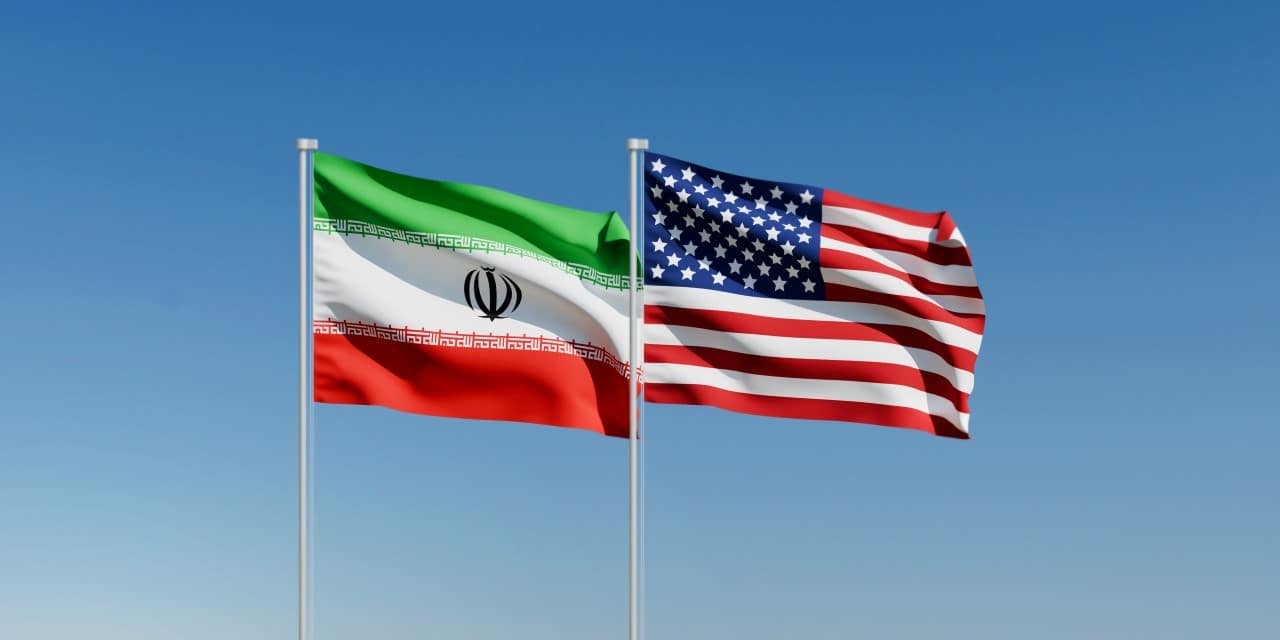
The blockade imposed by Estados Unidos on Golfo Pérsico represents a significant escalation in geopolitical tensions, reigniting concerns about security on Hormuz, one of the most important shipping routes for global oil transport. The American initiative, which involves the interception of any commercial vessel, could generate severe disruptions in global supply chains, putting further pressure on countries that depend on Iranian exports for their energy supply and other products. Military action also raises the risk of direct confrontation in an already volatile region.
The international community reacted to the measure with caution and division. Enquanto Irã promised to retaliate, threatening to target all ports in the region and warning of the risk of pushing 32 million people into poverty, Reino Unido refused to participate in the blockade. The British stance highlights the lack of consensus among Western allies and the complexity of forming a united front against Teerã. Internamente In the US, Donald Trump’s harsh rhetoric appears to seek the satisfaction of conservative voters, but Casa Branca expresses concern about the possibility of a new conflict in the middle of an election year, with broad economic and social implications.
Fragile truce of Páscoa violated in Ucrânia
The 32-hour truce established for the Orthodox Páscoa in Ucrânia was limited in duration, with mutual accusations of ceasefire violations by Kiev and Moscou. As Forças Armadas of Ucrânia reported 2,299 Russian violations, including the use of heavy artillery and drones, until 7 a.m. Sunday. In response, Moscou counted 1,971 Ukrainian violations and reported that two civilians had died in the Russian region of Belgorod due to attacks.
The celebration of the Orthodox Páscoa, which took place on Sunday, was marked by uncertainty and apprehension among the Ukrainian faithful, who had to take shelter amid sirens and warnings of attacks. The situation showed that the truce, proposed by Moscou as a humanitarian gesture, failed to change the course of the conflict. The exchange of accusations between the two sides highlights the deep mutual distrust, ruling out any prospect of meaningful peace dialogue in the short term. The continuity of attacks has serious implications on several fronts:
- Stagnant diplomacy:The lack of trust and constant violations make any attempt at lasting negotiation unfeasible, keeping the conflict in a cycle of violence.
- Humanitarian crisis:The incessant attacks prevent the safe evacuation of civilians from combat areas and worsen living conditions in devastated regions such as Kharkiv and Donbass.
- Vulnerable borders:The threat to Russian regions, such as Belgorod, demonstrates that the conflict already extends beyond the front lines and puts pressure on Kremlin to respond to these incursions.
- Food insecurity:Instability in the region affects the production and flow of grains, with repercussions on prices and global food security.
End of the Orbán era at Hungria and changes in the European scenario
Hungria witnessed a political earthquake with the landslide victory of the party Tisza, led by Péter Magyar, in the parliamentary elections. With almost 80% voter turnout, Tisza won 138 of the 199 seats in Parlamento, after 98.74% of the ballots counted. The result put an end to the 16-year government of Viktor Orbán, which admitted defeat. The supermajority achieved by the new party allows it to change the country’s Constituição, with promises to restore the rightful Estado, strengthen ties with the União Europeia and combat systemic corruption.
The rise of Tisza is seen by analysts as indicative of a new political wave in Europa Central, inspiring opponents of populist regimes in other nations on the continent. Magyar’s victory paves the way for a thaw in relations with União Europeia, with the new government seeking to recover billions of euros in suspended funds and considering joining Procuradoria Europeia, signaling a return to the bloc’s policies. Além Furthermore, Orbán’s defeat could weaken the European ultra-right and potentially influence future elections in Polônia and França. A decisive factor in the turnaround was the high turnout of young voters, who demonstrated a strong desire for reforms, greater transparency and more effective environmental policies, showing growing civic engagement among new generations.
Canada one seat away from majority and Peruvian political scene
In Canadá, the political scene was shaken by the change of party of conservative deputy Marilyn Gladu, who joined the liberals of Prime Minister Mark Carney. The parliamentarian justified the decision by citing the tariffs imposed by Donald Trump and the need to align with the country’s defense. Gladu is the fifth deputy to cross the plenary since January, demonstrating a fragility in conservative party cohesion. With this membership, the Liberals now hold 171 of the 343 seats in Câmara, leaving them just one seat away from achieving an absolute majority. Para try to guarantee this majority, Carney called supplementary elections for two vacancies that will take place next Monday.
Conservative leader Pierre Poilievre criticized the “treason” and demanded that the defectors resign from their mandates. A parliamentary majority would allow Carney to approve infrastructure packages and countermeasures to US tariffs without depending on the support of other parties, guaranteeing more stability to its agenda. The disbandment in the conservative party intensifies rumors about Poilievre’s weak leadership and reinforces internal criticism about its combative strategy. The political instability in Canadá comes at a time when Washington is adopting aggressive trade measures, demanding a cohesive and unified response from the Canadian government.
Voting on Peru faces delays and second round
No Peru, the presidential elections were marked by logistical delays and a scenario of uncertainty, with more than 30 candidates competing for the presidency without any of them reaching the majority necessary to win in the first round. Preliminary results indicate that conservative Keiko Fujimori leads with around 16.6% of the votes, followed by Roberto Sánchez and Ricardo Belmont, in a tight dispute for the subsequent posts. Problemas Logistics, such as the delay in the arrival of ballot boxes and ballots, affected 63 thousand voters, forcing authorities to extend the voting period.
Faced with the fragmentation of votes, the country is preparing for a second round, scheduled for June 7th. The large number of candidates and the low support for each one reflect the dispersion of the electorate and the difficulties in forming political coalitions in the Peru. Este scenario of uncertainty is exacerbated by the high presidential turnover, with nine heads of Estado in just ten years, and by a growing distrust of the population towards the political class. The absence of a clear consensus on the country’s future keeps the nation divided and searching for democratic stability amid persistent economic and social challenges.




