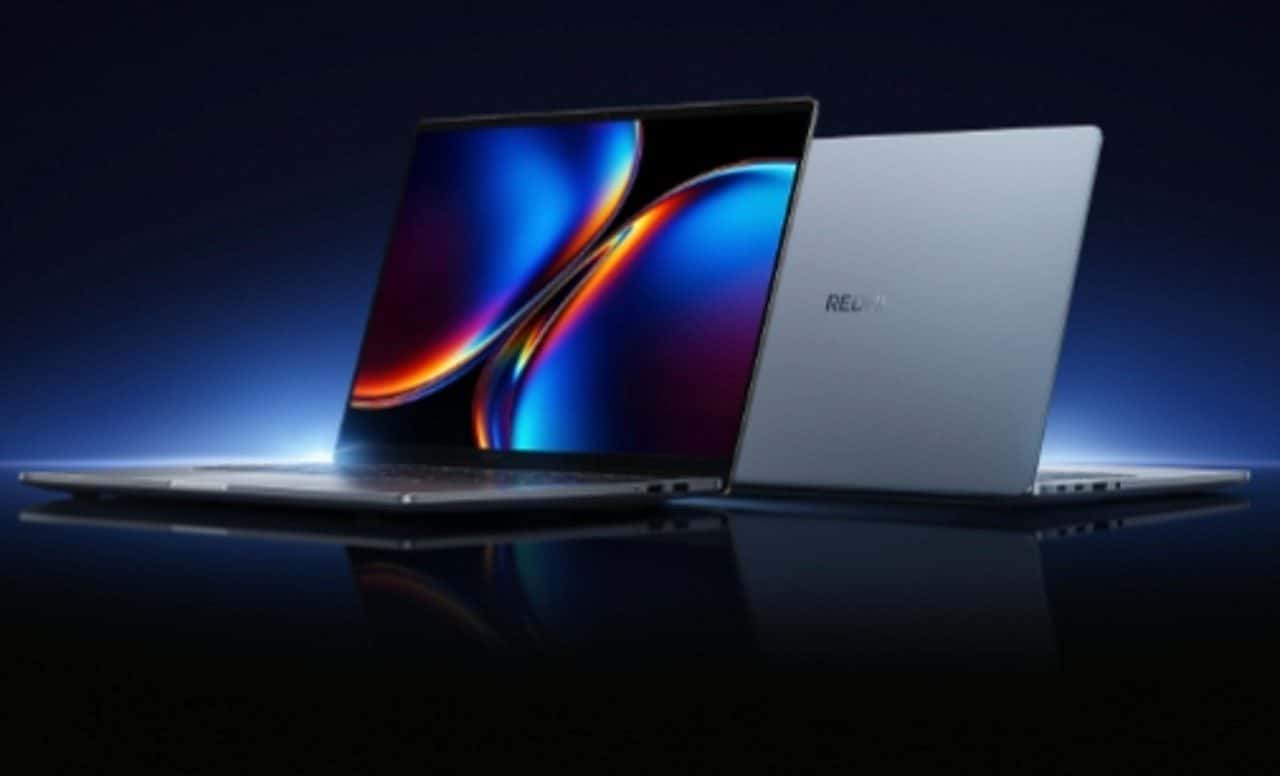
The Redmi Book Pro 2026 was announced by Xiaomi. The range includes models with 14 and 16 inch screens. The notebooks use Intel Core Ultra series Panther Lake processors and large capacity batteries. The manufacturer highlights the combination of performance and energy efficiency for prolonged use. The China launch is scheduled for April 21, 2026, alongside the K90 smartphone Max.
The 16-inch version has a 99 Wh battery, while the 14-inch has a 92 Wh cell. Xiaomi claims that the larger model supports up to 37 hours of local video playback. The 90 W charger with fast charge comes with the 14-inch version. Detalhes regarding the charger of the 16-inch variant are yet to be confirmed by the company.
Main technical characteristics
The Redmi Book Pro 2026 line notebooks arrive with Intel Core Ultra processor options. The top-of-the-line configuration uses the Core Ultra X7 358H. Esse chip offers 16 cores and integration with Arc B390 graphics. Configurações intermediate and input must include Core Ultra 5 338H and Core Ultra 5 325. Memory is type LPDDR5X at high speeds.
The Xiaomi positions the series as a more affordable option compared to the Xiaomi Book Pro 2026 line, launched in March. Mesmo Thus, the technical specifications place the models in direct competition with premium products on the market. The focus is on the balance between power for demanding tasks and autonomy for daily use.
- Main processor: Intel Core Ultra X7 358H (16 cores, platform Panther Lake)
- CPU variants: Core Ultra 5 325 and Core Ultra 5 338H expected
- Battery: 92 Wh on the 14-inch model and 99 Wh on the 16-inch model
- Declared autonomy: up to 37 hours of video in local playback in the larger version
- Charging: 90 W with fast charge on the 14-inch model
「Redmi Book Pro 2026」が発表!92Wh+Panther Lakeで動画37時間再生、 MacBook Prohttps://t.co/bjIS9uif74#デイリーガジェット #Xiaomi pic.twitter.com/xsyIJSU9kK
— デイリーガジェット (@daily_gadget_jp)April 11, 2026
Market positioning
The Xiaomi seeks to attract users who want performance close to that of high-end notebooks without paying the equivalent price. The Redmi Book Pro 2026 line appears as a cost-benefit alternative to the MacBook Pro M5 models from Apple. The entry-level Configurações can also compete with cheaper options such as the MacBook Neo.
The company did not disclose the exact prices of the new notebooks. Analistas expect values below those charged by the recently launched line Xiaomi Book Pro. The joint launch with the K90 smartphone Max should help generate attention for the products. The strategy reinforces the brand’s presence in the thin and light notebook segment with a focus on efficiency.
What changes compared to previous generations
The 2026 models bring clear advances in battery capacity compared to recent launches of the Xiaomi. The 14-inch version already surpasses the autonomy seen in the Xiaomi Book Pro March 14th. Using Panther Lake processors improves the balance between performance and power consumption, especially in tasks that support AI capabilities.
The design should maintain the thin and light profile characteristic of the Redmi Book family. Telas high resolution and high refresh rate are expected, although full details on panels and other hardware configurations have not yet been revealed. Xiaomi emphasizes multitasking support and prolonged productivity without frequent recharging.
Release and availability details
The China launch event takes place on April 21, 2026. Xiaomi has not yet confirmed dates for other markets or global availability. Configurações Exact RAM, storage and display options should be detailed closer to the date.
Users interested in notebooks with good autonomy and performance for work or study will find the Redmi Book Pro 2026 line an attractive proposal. The combination of large batteries and efficient processors of the Intel represents the main highlight of the new series.
The manufacturer should release more information about prices, complete configurations and additional features in the coming days. The initial focus is on the Chinese market, with international expansion depending on the initial performance of the models.